Research Articles
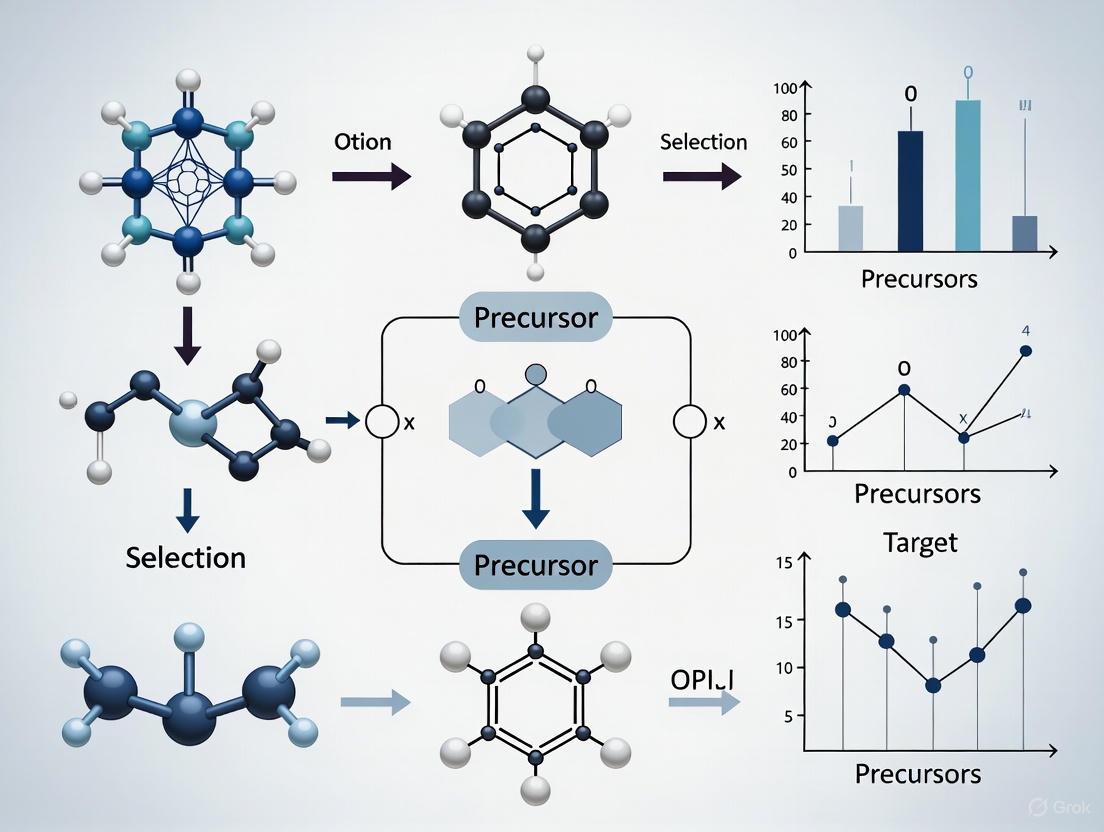
Optimizing Precursor Selection for Target Materials: From Foundational Principles to AI-Driven Discovery
Selecting optimal precursors is a critical, multi-faceted challenge in the synthesis of both inorganic materials and pharmaceutical compounds.
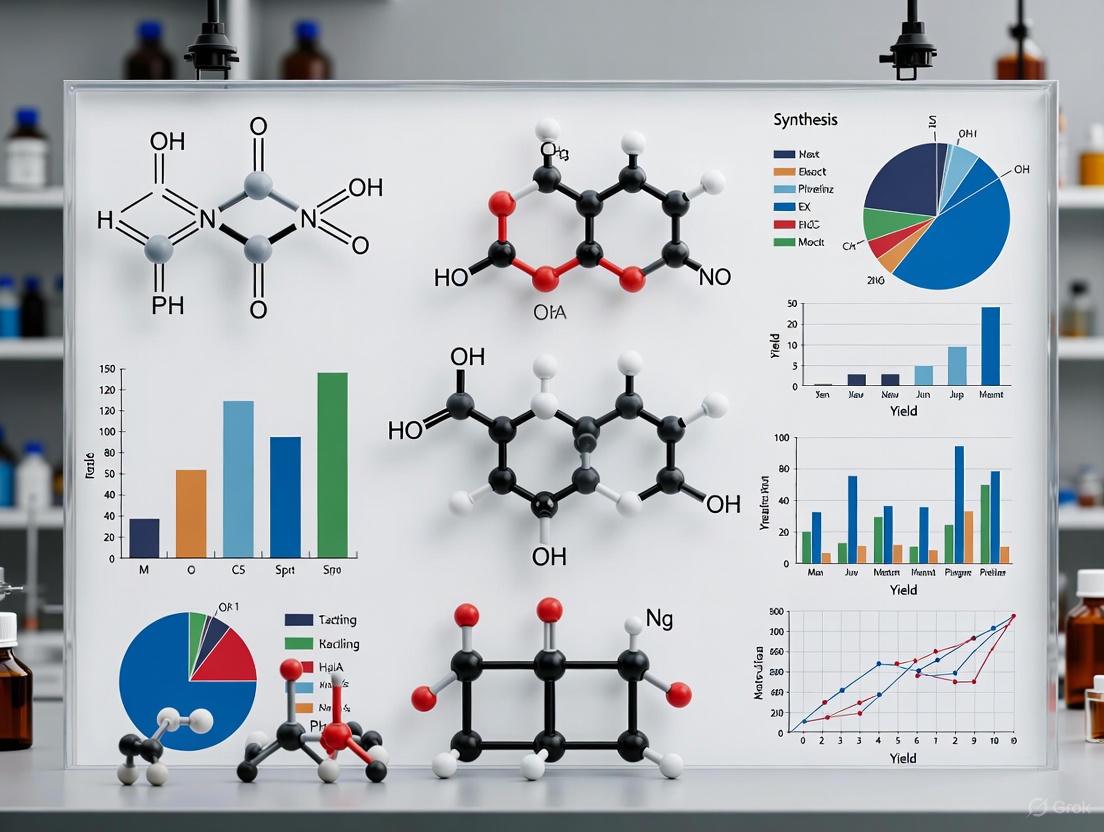
Boosting Yield in Synthesis Recipe Extraction: Data-Driven Pipelines for Accelerated Materials and Drug Discovery
This article addresses the critical challenge of low yield in automated synthesis recipe extraction pipelines, a major bottleneck in data-driven materials science and pharmaceutical development.
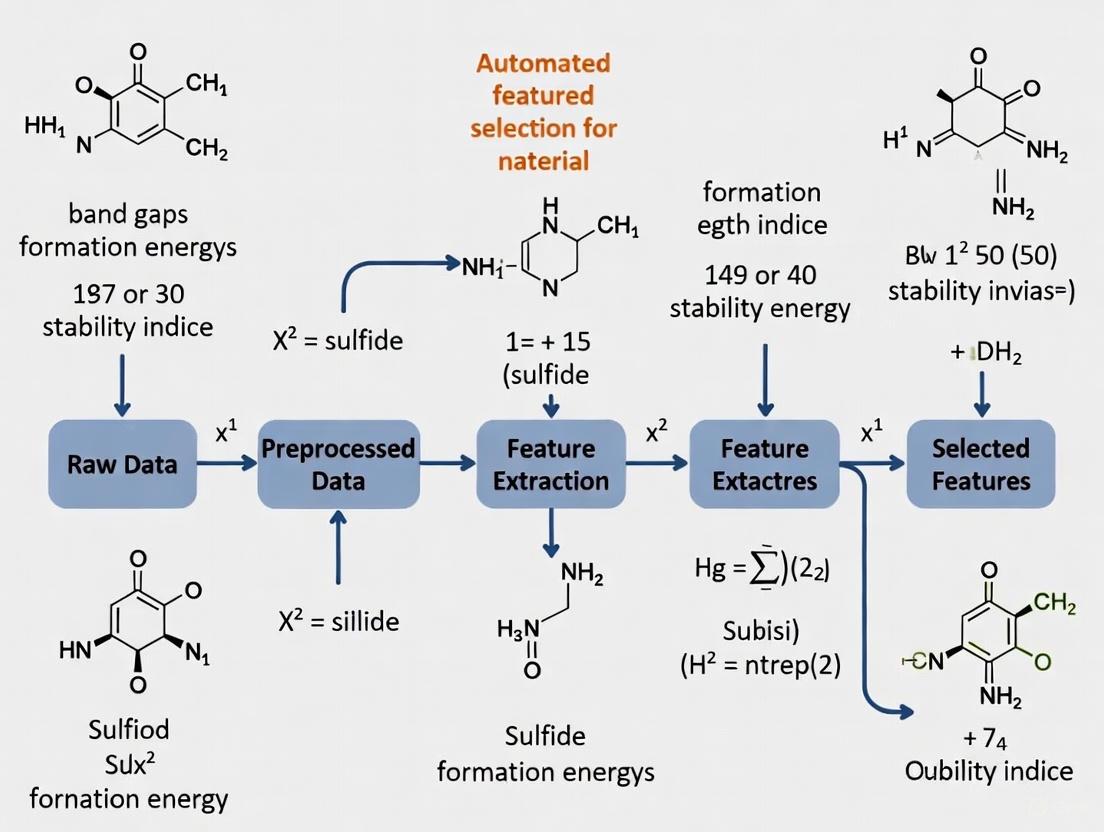
Automated Feature Selection for Material Properties: Advanced Methods and Biomedical Applications
This article provides a comprehensive overview of automated feature selection techniques specifically tailored for predicting material properties, with a focus on applications in biomedical and clinical research.
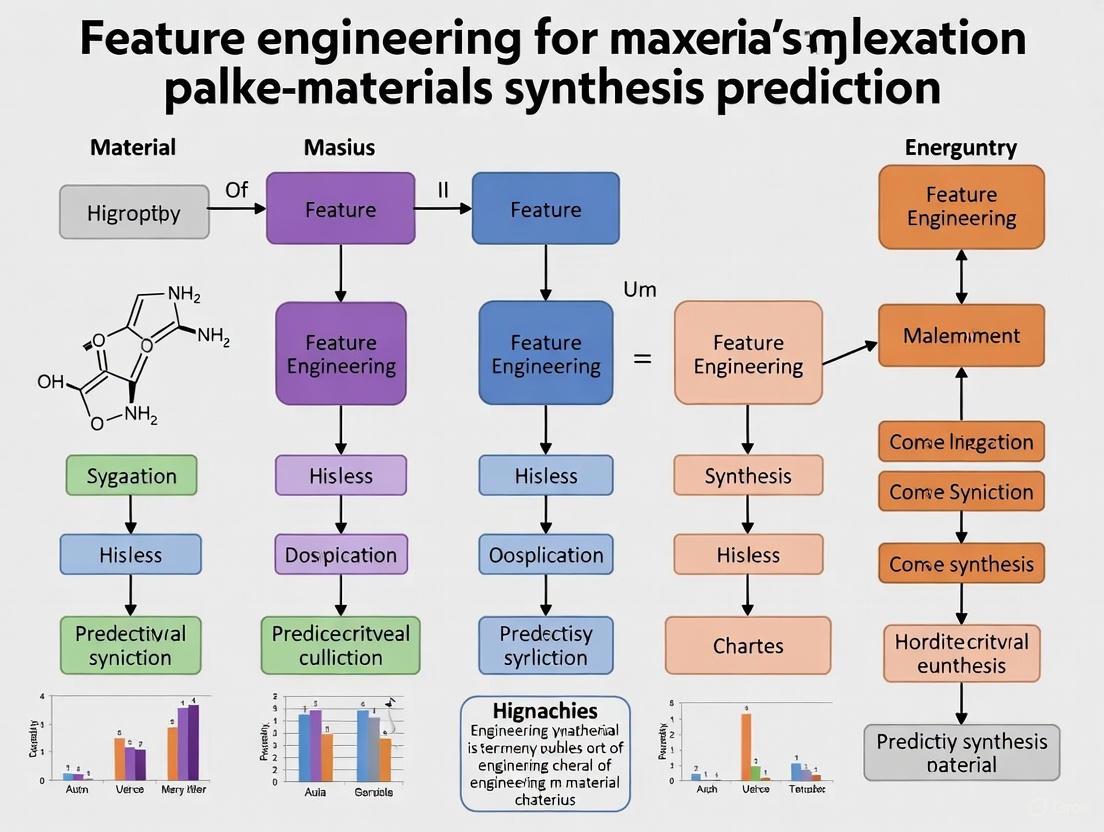
Feature Engineering for Materials Synthesis Prediction: Transforming Data into Discoverable Materials
Predicting which theoretical materials can be successfully synthesized is a central challenge in materials science and drug development.
Quantitative Structure-Property Relationships (QSPR) in Drug Synthesis: A Foundational Guide to Methods, Models, and Applications
This article provides a comprehensive overview of Quantitative Structure-Property Relationship (QSPR) modeling and its critical role in streamlining drug synthesis and formulation development.

High-Throughput Synthesis for Materials Validation: Accelerating Discovery in Biomedicine and Drug Development
This article provides a comprehensive overview of high-throughput synthesis (HTS) and experimentation (HTE) methodologies for rapid materials validation and optimization.
From Text to Synthesis: How Machine Learning is Decoding Scientific Recipes for Materials and Drug Development
This article explores the transformative role of text mining and machine learning in extracting and utilizing synthesis recipes from scientific literature.
Overcoming the Biggest Challenges in Predictive Inorganic Materials Synthesis
The acceleration of inorganic materials discovery is critically dependent on solving the predictive synthesis bottleneck.
Closing the Loop in Computational Materials Design: AI, Autonomous Labs, and the Future of Accelerated Discovery
This article explores the paradigm of 'closing the loop' in computational materials design, a transformative approach that integrates AI-driven prediction, automated synthesis, and high-throughput characterization into a rapid, iterative cycle.
Robustness in the Wild: A 2025 Guide to Evaluating Generative AI Against Noisy Biomedical Data
This article provides a comprehensive framework for researchers and drug development professionals to evaluate and enhance the robustness of generative AI models against noisy training data.