Research Articles

Beyond Classical Theory: Exploring Two-Step Nucleation Pathways for Advanced Material and Pharmaceutical Design
This article synthesizes current research on two-step nucleation, a nonclassical mechanism where crystallization proceeds through metastable intermediate phases rather than directly from solution.
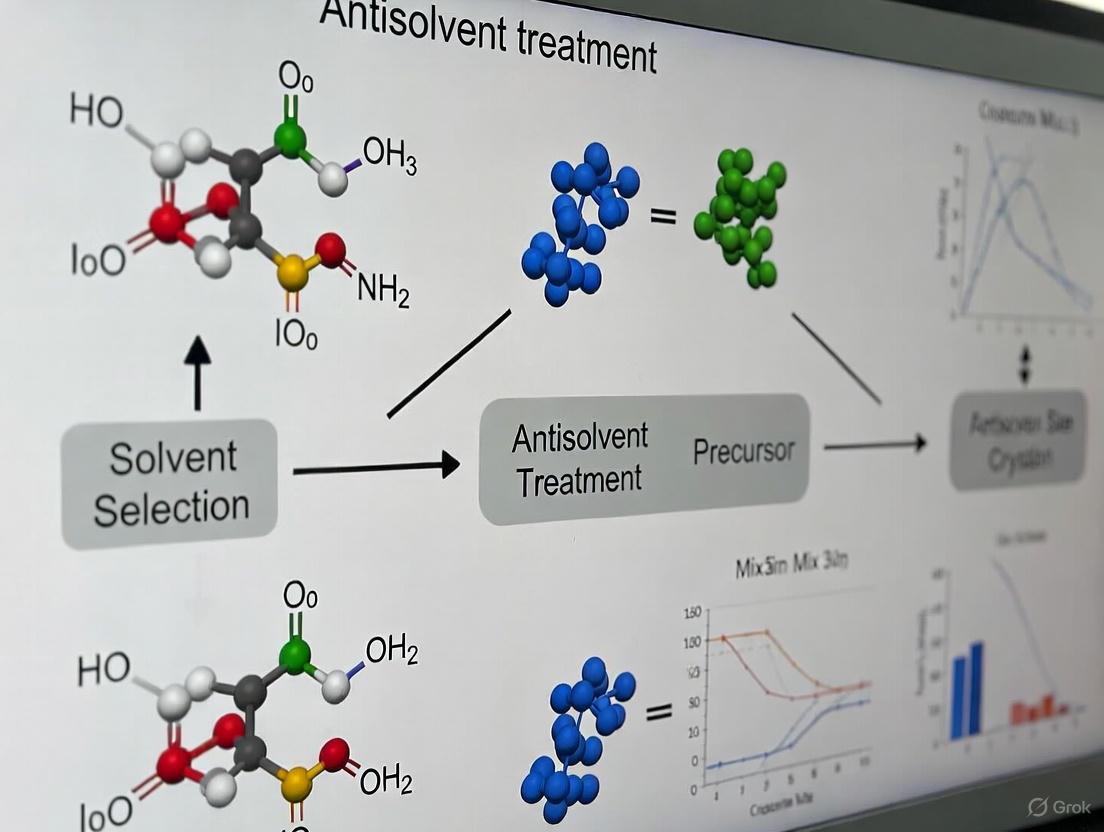
Antisolvent Engineering for Perovskite Crystal Growth: Principles, Optimization, and Green Solvent Strategies
Antisolvent engineering is a cornerstone technique for depositing high-quality perovskite films, crucial for advancing perovskite solar cells and optoelectronic devices.
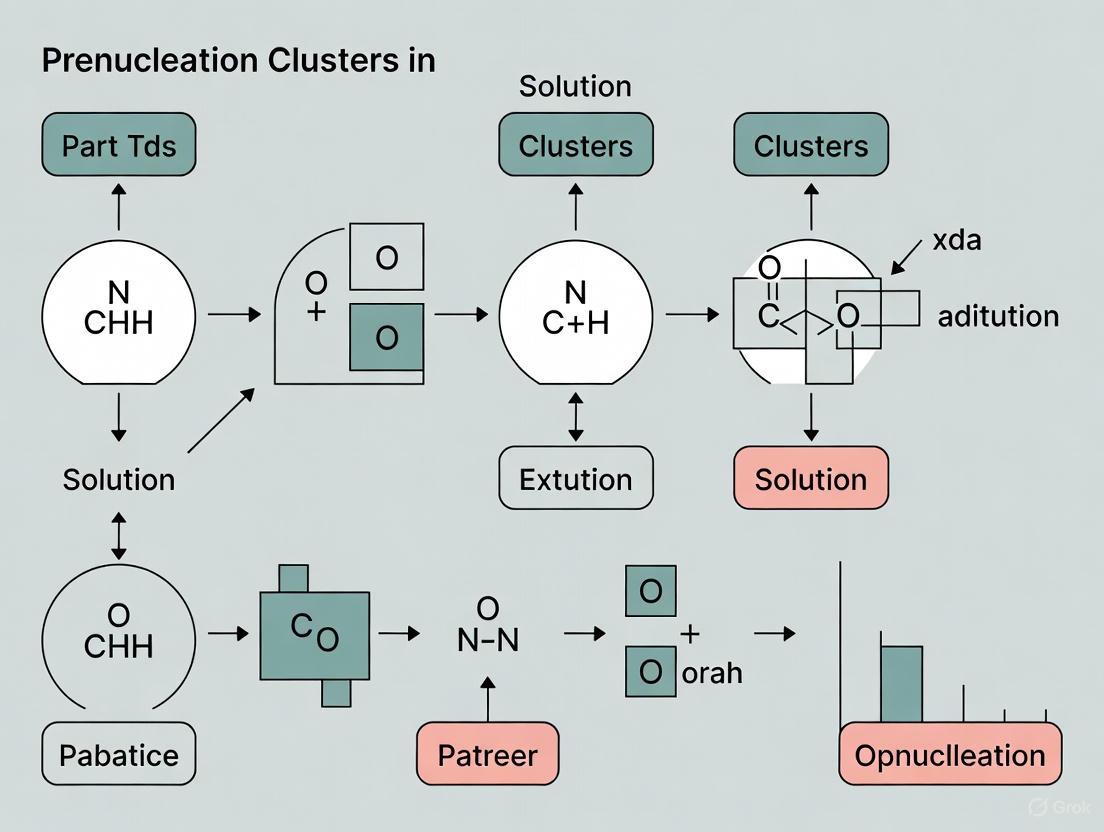
Prenucleation Clusters in Solution: A Non-Classical Pathway for Crystal Engineering and Drug Development
This article explores the paradigm of prenucleation clusters (PNCs), stable solute species that exist in solution prior to the formation of a new phase.
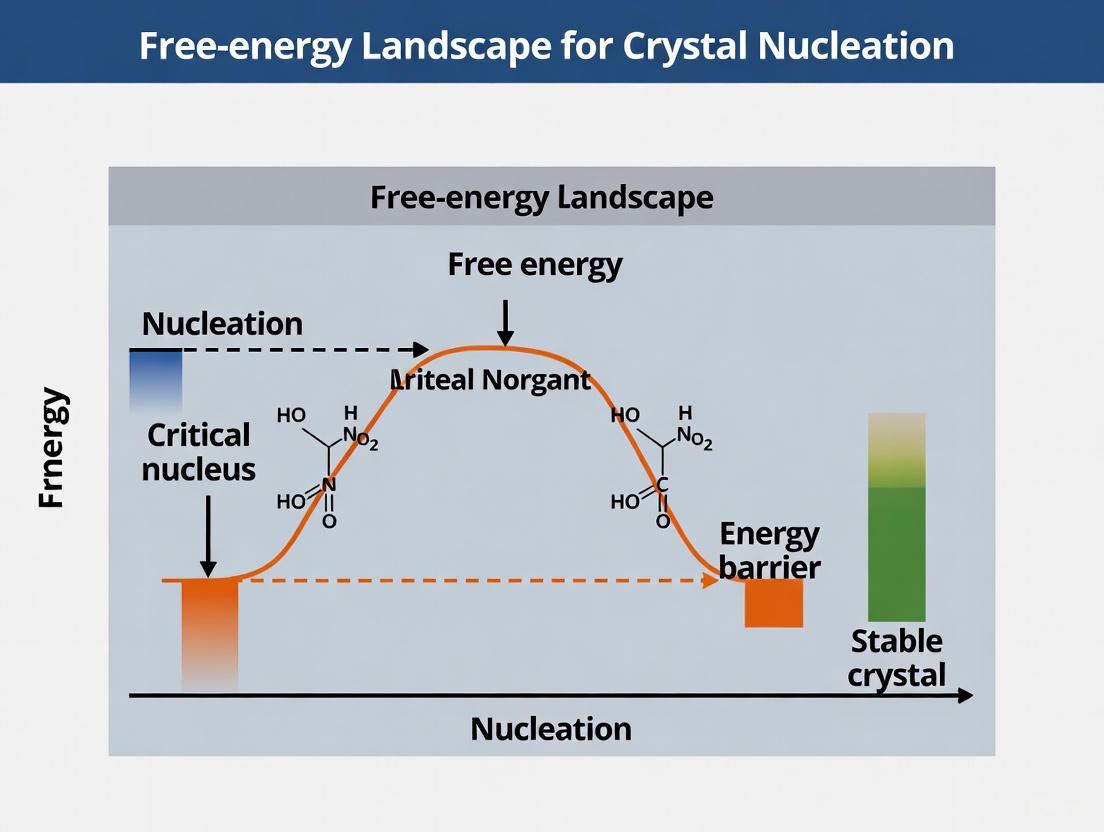
Navigating the Free-Energy Landscape: Unraveling Mechanisms and Controlling Crystal Nucleation
Understanding crystal nucleation is a central challenge in materials science and pharmaceutical development, governed by the complex topology of the free-energy landscape.
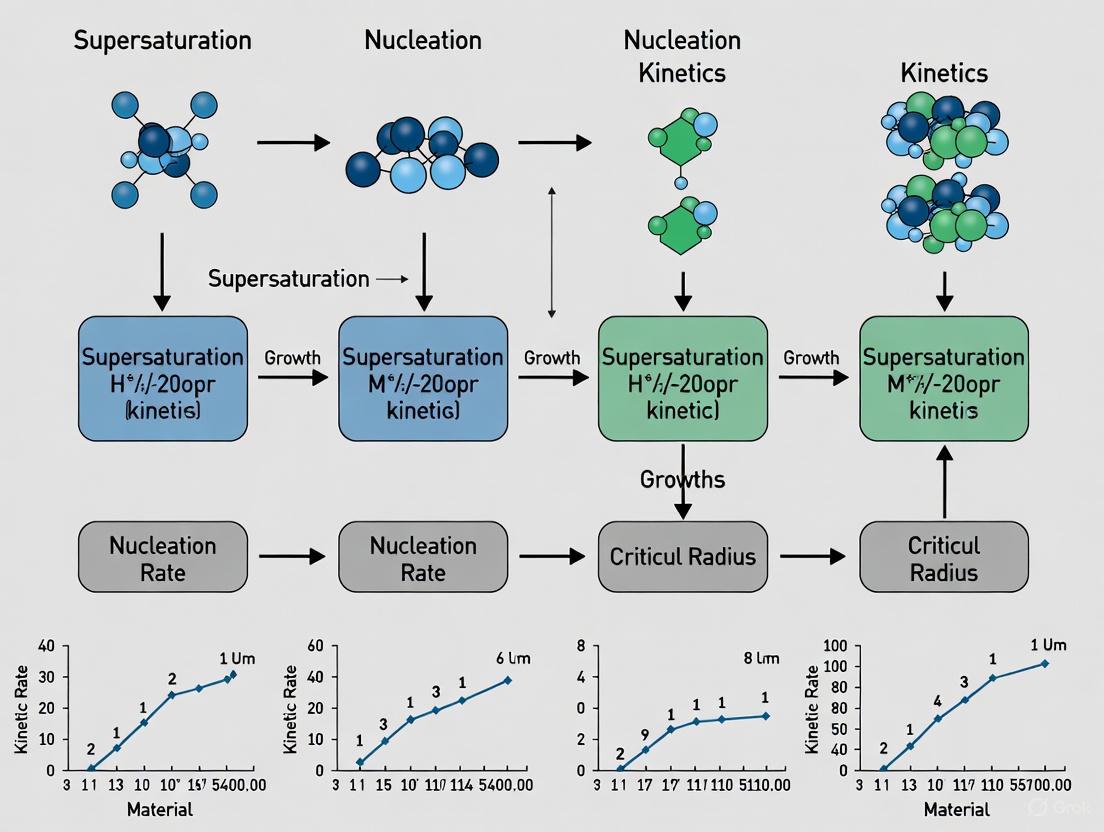
Supersaturation and Nucleation Kinetics: A Comprehensive Guide for Pharmaceutical Researchers
This article provides a comprehensive examination of supersaturation and nucleation kinetics, addressing critical challenges in drug development for poorly water-soluble compounds.
Metastable Fluid-Fluid Phase Transitions in Crystallization: From Fundamental Mechanisms to Advanced Pharmaceutical Applications
This article explores the critical role of metastable fluid-fluid phase transitions in governing crystallization pathways, a phenomenon with profound implications for materials science and pharmaceutical development.
Forward Screening vs. Inverse Design: A Comparative Guide for Modern Drug Discovery
This article provides a comprehensive comparison of forward screening and inverse design methodologies for researchers and drug development professionals.
Validating Novel Material Predictions with High-Throughput Experimentation: A Strategic Framework for Accelerated Discovery
This article provides a comprehensive framework for researchers and drug development professionals seeking to integrate computational material prediction with high-throughput experimentation (HTE) for accelerated discovery.
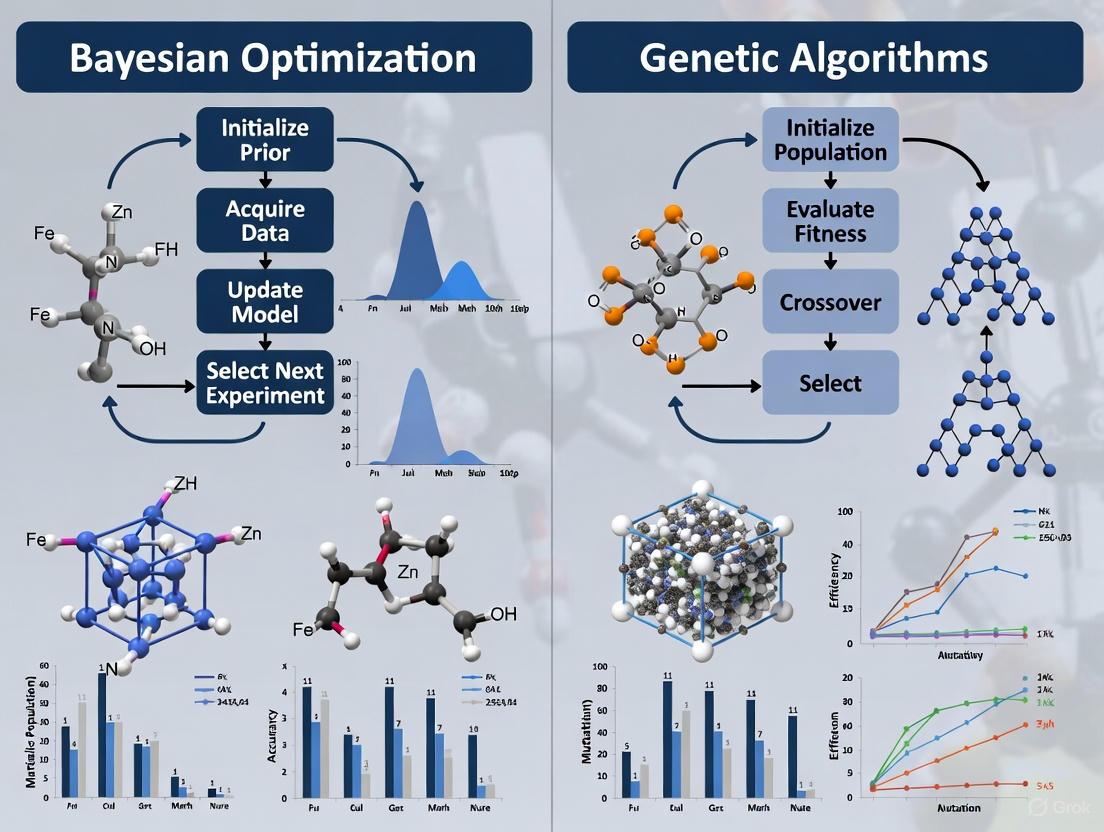
Bayesian Optimization vs. Genetic Algorithms: An AI Strategy Guide for Accelerated Materials Discovery
This article provides a comprehensive comparison of Bayesian Optimization (BO) and Genetic Algorithms (GAs) for materials discovery, tailored for researchers and professionals in biomedicine and drug development.
From Code to Lab: A Guide to Experimental Validation of Computationally Discovered Materials
This article provides a comprehensive framework for the experimental validation of computationally discovered materials, a critical bottleneck in modern materials science.