Research Articles
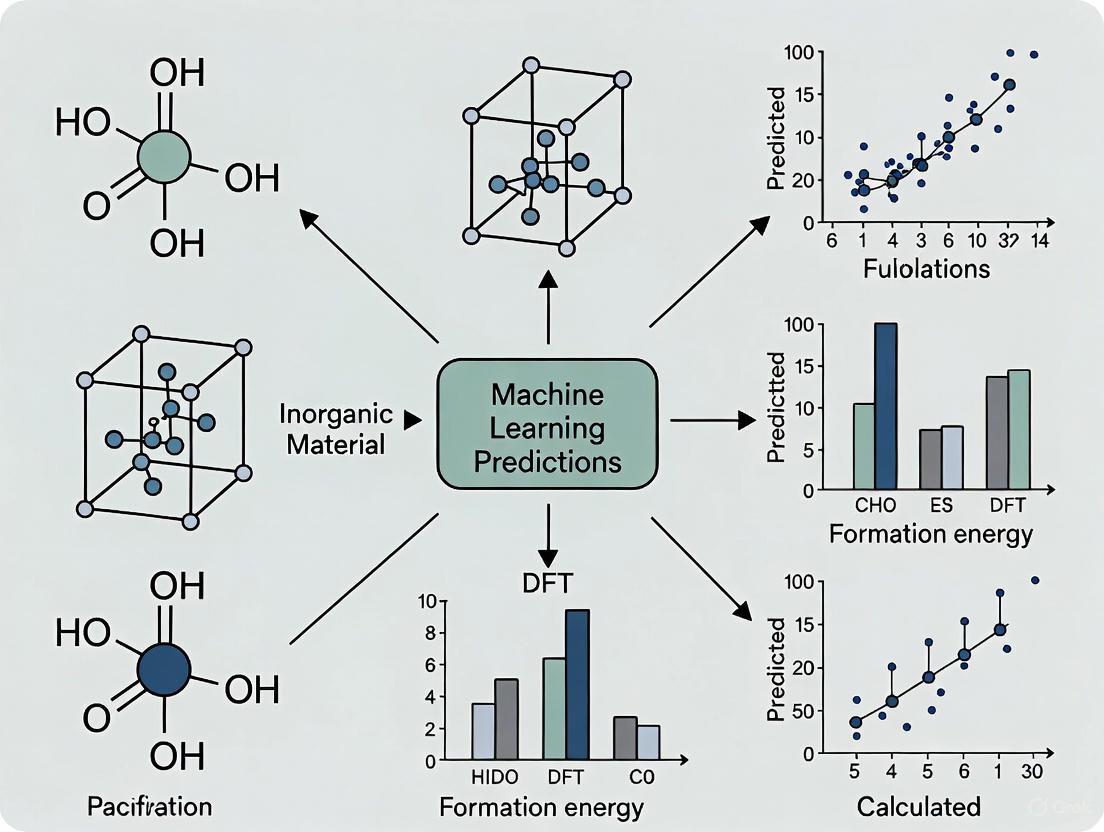
Machine Learning vs. DFT Formation Energy: The New Frontier in Predicting Material Synthesizability
Accurately predicting whether a theoretical material can be synthesized is a critical challenge in accelerating the discovery of new functional compounds, particularly in drug development and materials science.

Beyond Thermodynamics: How LLMs Like CSLLM Achieve 98.6% Accuracy in Predicting Material Synthesizability for Drug Discovery
This article explores a paradigm shift in predicting material synthesizability, a critical bottleneck in drug development.
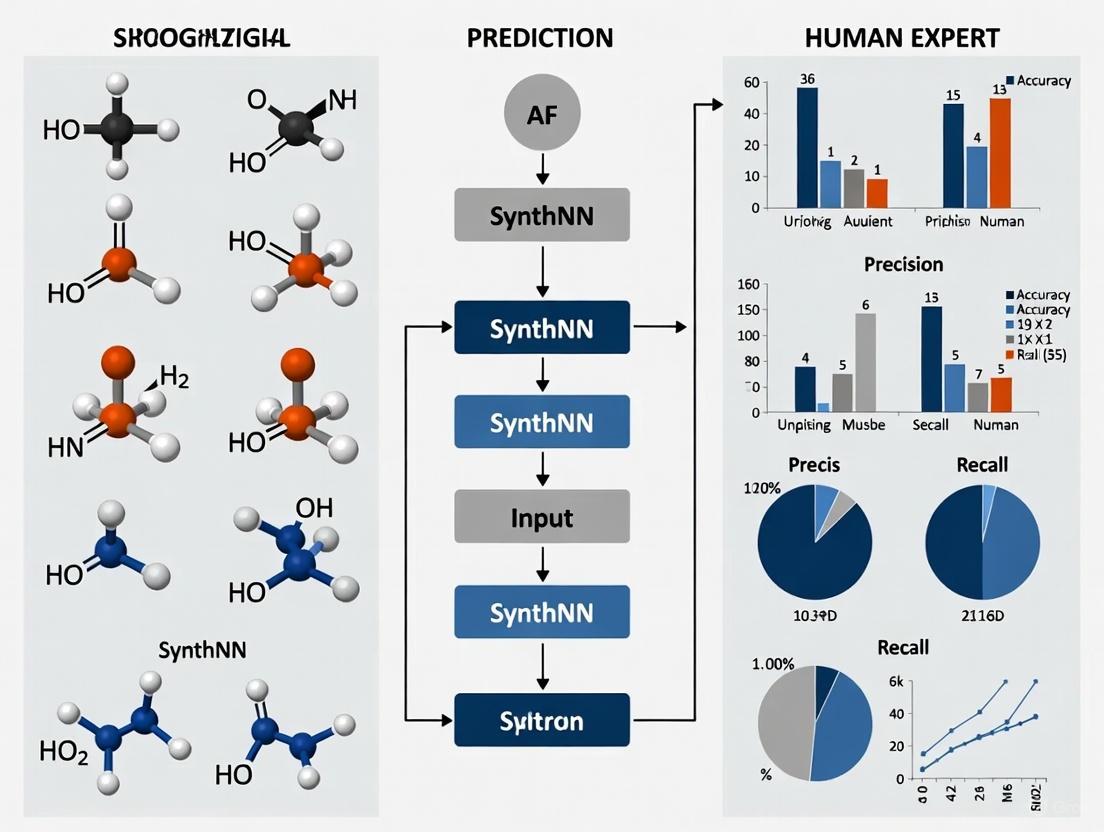
AI vs. Human Expert: Benchmarking SynthNN's Revolution in Predicting Synthesizable Materials
This article provides a comprehensive comparison between deep learning models, specifically SynthNN, and human experts in predicting the synthesizability of crystalline inorganic materials.
Mitigating Anthropogenic Bias in Synthetic Data: Strategies for Robust and Equitable Biomedical Research
Synthetic data offers transformative potential for accelerating drug discovery and biomedical research by providing scalable, privacy-preserving datasets.
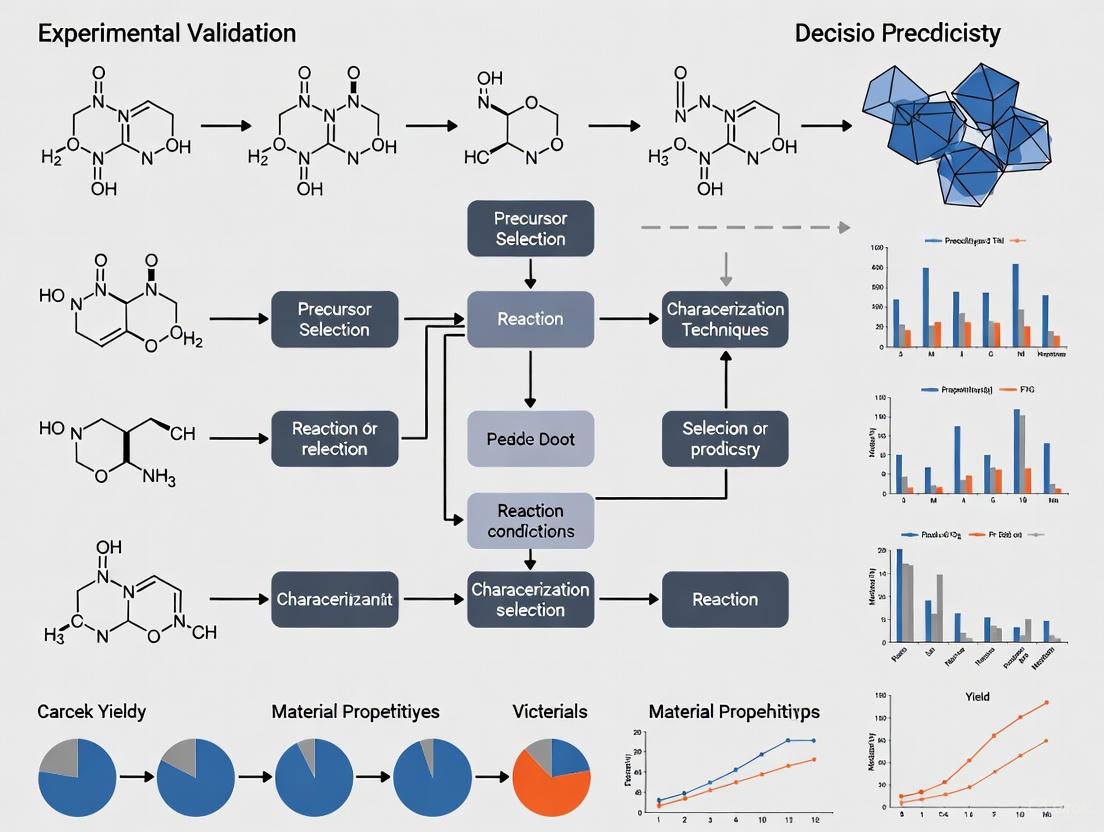
From Prediction to Lab: A Practical Guide to Experimentally Validating Synthesizability in Drug and Material Discovery
This article provides a comprehensive guide for researchers and drug development professionals on the critical process of experimentally validating computational synthesizability predictions.
Beyond the Crystal Ball: Overcoming the Challenges of Predicting Material Synthesizability Without Structural Data
Predicting whether a theoretical material or drug candidate can be synthesized is a critical bottleneck in discovery pipelines, a challenge magnified when crystal structure data is unavailable.

Beyond the Hype: A Practical Guide to Handling Class Imbalance for Robust Synthesizability Classification
This article provides a comprehensive guide for researchers and drug development professionals tackling the critical challenge of class imbalance in synthesizability classification models.
Beyond Thermodynamics: Advanced AI and Machine Learning for Predicting Metastable Material Synthesizability
Accurately predicting which metastable materials can be synthesized is a critical bottleneck in accelerating the discovery of new functional materials for biomedical and technological applications.
High-Throughput Screening for Synthesizable Crystalline Materials: Accelerating Drug Discovery and Development
This article provides a comprehensive overview of high-throughput screening (HTS) strategies specifically for identifying synthesizable crystalline materials, a critical step in efficient drug development.
AI-Powered Synthesis: Predicting Pathways for Solution-Based Inorganic Materials
This article explores the transformative role of artificial intelligence and machine learning in predicting synthesis pathways for solution-based inorganic materials.