Kinetic vs. Thermodynamic Control: A Foundational Guide for Materials Design and Drug Development
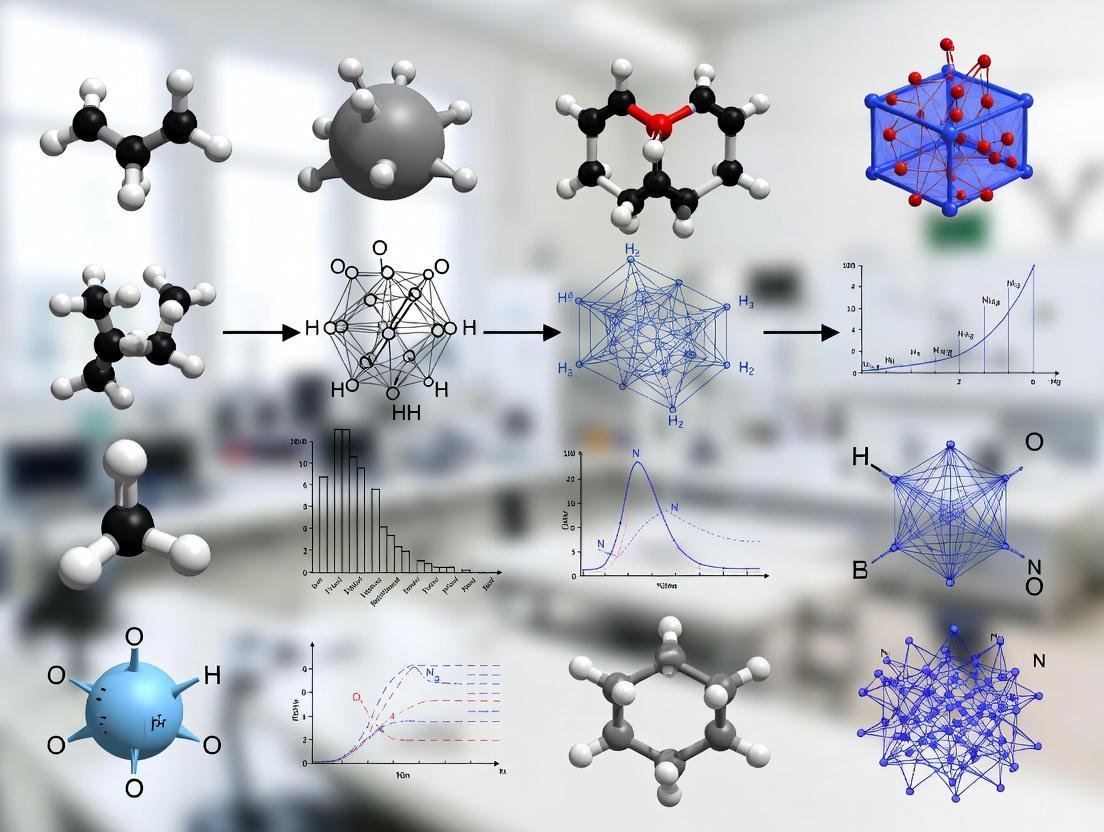
This article provides a comprehensive exploration of kinetic and thermodynamic control principles, bridging fundamental concepts with cutting-edge applications in materials science and drug discovery.
Kinetic vs. Thermodynamic Control: A Foundational Guide for Materials Design and Drug Development
Abstract
This article provides a comprehensive exploration of kinetic and thermodynamic control principles, bridging fundamental concepts with cutting-edge applications in materials science and drug discovery. Tailored for researchers, scientists, and drug development professionals, the content delves into the core theories governing reaction pathways and stability. It further examines advanced methodological approaches for probing these phenomena, addresses common optimization challenges, and validates strategies through comparative analysis of computational and experimental techniques. By synthesizing insights from recent studies on semiconductor oxidation, metastable material synthesis, and drug-target interactions, this guide serves as a strategic resource for controlling material properties and drug efficacy.
Core Principles: Decoding the Battle Between Speed and Stability
In materials science research, controlling the outcome of a reaction or a self-assembly process is a fundamental challenge. The pathway to a final product is often dictated by a competition between kinetic control and thermodynamic control. These two principles describe how the rate of a reaction (kinetics) and the stability of the products (thermodynamics) influence the final state of a system under different conditions.
- Kinetic Control favors the product that forms the fastest. This product, known as the kinetic product, is characterized by a lower activation energy barrier. Its formation is faster but often results in a less stable, metastable state. Kinetically controlled processes are favored under conditions that prevent the system from reaching equilibrium, such as low temperatures and short reaction times [1] [2] [3].
- Thermodynamic Control favors the most stable product. This thermodynamic product resides at the global energy minimum. While it has a higher activation energy and forms more slowly, it is the most stable configuration. Thermodynamically controlled processes are favored under conditions that allow the system to reach equilibrium, such as higher temperatures and longer reaction times, which provide the necessary energy for reactants and intermediates to interconvert and find the most stable structure [1] [2] [3].
The ability to dictate which paradigm governs a process is a powerful tool. By manipulating reaction parameters, researchers can steer reactions toward a desired product, enabling the precise synthesis of complex materials and molecules [4]. The following energy diagram illustrates the fundamental relationship between these competing pathways and their resulting products.
Diagram 1: Generalized energy pathway for competitive product formation. The kinetic product (B) forms via a lower activation energy barrier (Eₐ(kin)), while the thermodynamic product (C) is more stable but requires overcoming a higher barrier (Eₐ(thermo)) [1] [5].
Theoretical Foundations
Fundamental Energetics and the Reaction Coordinate
The competition between kinetic and thermodynamic control is rooted in the potential energy surface of a system. A reaction can proceed along multiple pathways, each leading to a different product. The pathway with the lowest transition state energy will have the fastest rate and dominate under kinetic control. In contrast, the pathway leading to the product with the lowest Gibbs free energy will be favored at equilibrium under thermodynamic control [1] [2].
A critical concept is that the kinetic and thermodynamic products are not necessarily different chemicals; they can be different structural topologies or polymorphs of the same material, as seen in the assembly of molecular cages [4]. The reversibility of the reaction steps is also key. At low temperatures, reactions are often effectively irreversible, locking in the kinetic product. At higher temperatures, the reactions become reversible, allowing the system to equilibrate and populate the most stable thermodynamic state [1] [5].
Mathematical Framework and the Switching Point
The kinetics of competing parallel reactions can be modeled. Consider a system where reactant A can reversibly form either product B (kinetic) or product C (thermodynamic) [6]:
A ⇄ B (with rate constants k₁, k₃)
A ⇄ C (with rate constants k₂, k₄)
The traditional definition for the switching point between kinetic and thermodynamic control has been the time at which the concentrations of B and C are equal (B(t) = C(t)). However, this point is difficult to calculate and can be chemically misleading [6]. A more precise definition defines the switching point (tₛ) as the time when the rates of formation of the two products are equal (B'(t) = C'(t)). This corresponds to the moment the system shifts from forming more of the kinetic product per unit time to forming more of the thermodynamic product [6]. A closed-form expression for tₛ can be derived as a function of the kinetic constants and initial concentrations.
Experimental Realization and Control
Classic Organic Chemistry Example: Addition to 1,3-Butadiene
The electrophilic addition of hydrogen bromide (HBr) to 1,3-butadiene is a textbook example demonstrating kinetic and thermodynamic control [1] [5] [3]. The reaction proceeds through a resonance-stabilized allylic carbocation intermediate, which can be attacked by bromide ion at two different positions.
- Kinetic Product (1,2-adduct): This product forms faster due to a lower activation energy barrier for the attack at the carbon atom adjacent to the original carbocation. It results in 3-bromobut-1-ene, which features a terminal, less substituted alkene [1] [5] [3].
- Thermodynamic Product (1,4-adduct): This product is more stable but forms via a higher-energy transition state. It results in 1-bromobut-2-ene (predominantly the trans isomer), which contains an internal, more highly substituted alkene. The increased stability of the disubstituted alkene makes this the thermodynamic product [1] [5] [3].
The product distribution is highly sensitive to temperature, as shown in the quantitative data below.
Table 1: Product Ratio for HBr Addition to 1,3-Butadiene at Different Temperatures [1]
| Temperature | Control Regime | 1,2-adduct : 1,4-adduct Ratio |
|---|---|---|
| -15 °C | Kinetic | 70 : 30 |
| 0 °C | Kinetic | 60 : 40 |
| 40 °C | Thermodynamic | 15 : 85 |
| 60 °C | Thermodynamic | 10 : 90 |
Protocol: Electrophilic Addition to 1,3-Butadiene
Objective: To demonstrate kinetic versus thermodynamic control in the addition of HBr to 1,3-butadiene. Materials: Anhydrous 1,3-butadiene (gas or solution in an inert solvent), anhydrous hydrogen bromide (gas), dry dichloromethane (DCM) or chloroform, low-temperature reaction apparatus (cooling bath), heating mantle. Procedure:
- Kinetic Control (Low Temperature):
- Purge a round-bottom flask with an inert gas (e.g., N₂) and add dry DCM.
- Cool the flask to 0 °C (ice-water bath) or -15 °C (brine bath).
- Bubble a measured amount of 1,3-butadiene gas into the solvent.
- Slowly bubble a stoichiometric equivalent of anhydrous HBr gas through the cooled solution with vigorous stirring.
- Work up the reaction immediately after the addition is complete.
- Analyze the product mixture via gas chromatography (GC) or NMR spectroscopy. The 1,2-adduct should be the major product.
- Thermodynamic Control (Elevated Temperature):
- Purge a round-bottom flask with an inert gas and add dry DCM.
- Add a measured amount of 1,3-butadiene.
- Slowly bubble a stoichiometric equivalent of anhydrous HBr gas into the solution at room temperature.
- After the addition, fit the flask with a condenser and reflux the mixture at 40-60 °C for several hours to allow for equilibration.
- Cool the mixture and work up the reaction.
- Analyze the product mixture. The 1,4-adduct should be the major product [1] [5].
Advanced Materials Example: Self-Assembly of Dynamic Covalent Cages
The principles of kinetic and thermodynamic control extend beyond simple molecules to complex supramolecular systems. Recent research on dynamic covalent chemistry (DCC) showcases how these paradigms can be harnessed to synthesize different molecular cage topologies from the same building blocks [4].
In one study, a fluorinated aldehyde was combined with different amines. The outcome was strategically controlled by solvent choice and assembly conditions:
- Thermodynamic Control: When the reaction was performed in chloroform at 60 °C, the system remained in solution and reached equilibrium, favoring the highly symmetric Tri₄Tri₄ cage topology as the thermodynamic product [4].
- Kinetic Control: When the reaction was performed in a "poor solvent" like methanol or acetonitrile at room temperature, a lower-symmetry Tri₂²Tri₂ cage topology precipitated out of solution. This precipitation kinetically trapped the intermediate, preventing its conversion to the more stable Tri₄Tri₄ cage and allowing isolation of the kinetic product [4].
This experimental workflow demonstrates the strategic use of solvent and temperature to guide self-assembly.
Diagram 2: Workflow for the selective synthesis of molecular cages through kinetic vs. thermodynamic control using solvent and temperature [4].
The Scientist's Toolkit: Essential Reagents and Materials
Table 2: Key Research Reagent Solutions for Studying Control Paradigms
| Reagent / Material | Function in Experiment |
|---|---|
| 1,3-Butadiene | The conjugated diene model reactant for classic electrophilic addition studies demonstrating the 1,2- vs. 1,4-addition paradigm [1] [5]. |
| Anhydrous Hydrogen Halides (e.g., HBr, HCl) | Electrophilic reagents that add to dienes, forming carbocation intermediates essential for observing competing reaction pathways [1] [3]. |
| Lithium Diisopropylamide (LDA) | A strong, sterically hindered base used to generate kinetic enolates from carbonyl compounds at low temperatures, favoring the less substituted enolate [3]. |
| Solvents of Differing Polarity (e.g., CHCl₃, MeOH, MeCN) | Used to exert kinetic or thermodynamic control in self-assembly processes. "Poor solvents" (MeOH, MeCN) induce precipitation for kinetic trapping; "good solvents" (CHCl₃) enable equilibration for thermodynamic control [4]. |
| Dynamic Covalent Building Blocks (e.g., multitopic amines & aldehydes) | Molecules containing reversible covalent bonding sites (e.g., imine-forming groups) for constructing complex architectures like cages and frameworks, allowing error correction and pathway selection [4]. |
| Sodium Borohydride (NaBH₄) | A reducing agent used to irreversibly "lock" dynamic covalent intermediates (e.g., imine cages) by reducing them to more stable amine analogs, allowing isolation and characterization of kinetic or thermodynamic structures [4]. |
The dichotomy between kinetic and thermodynamic control is a foundational concept that provides researchers across chemistry and materials science with a powerful framework for dictating the outcome of reactions and assembly processes. As demonstrated by the classic 1,3-butadiene system and modern supramolecular cage synthesis, the strategic manipulation of temperature, time, and solvent environment allows for deliberate selection of the reaction pathway. Mastery of this paradigm is indispensable for the rational design of complex molecular architectures and advanced functional materials, from organic semiconductors to drug delivery systems.
In materials science research, the synthesis of a desired product often involves competition between different reaction pathways. The final outcome of such a competition is governed by two fundamental types of control: kinetic control and thermodynamic control [7]. This framework is essential for understanding and manipulating reaction pathways to achieve target materials, including metastable states that persist despite not being the global energy minimum.
The distinction is conceptually straightforward: the kinetic product forms faster and is favored under conditions that prevent reaction equilibrium, while the thermodynamic product is more stable and predominates when the reaction is allowed to reach equilibrium [7] [8]. A necessary condition for thermodynamic control is reversibility or the existence of a mechanism that allows products to interconvert within the allotted reaction time [7]. Under kinetic control, the forward reaction to one product is significantly faster than any equilibration process between the products.
Table 1: Key Characteristics of Kinetic and Thermodynamic Control
| Feature | Kinetic Control | Thermodynamic Control |
|---|---|---|
| Governing Factor | Reaction rate (activation energy barrier, ΔG‡) | Product stability (Gibbs free energy, ΔG°) |
| Primary Product | Kinetic product (forms faster) | Thermodynamic product (more stable) |
| Reaction Conditions | Low temperature, short reaction time, irreversible conditions | Higher temperature, longer reaction time, reversible conditions |
| Key Influence | Activation energy difference (ΔEa) | Free energy difference (ΔG°) |
| Mathematical Relation | ln([A]t/[B]t) = ln(kA/kB) = -ΔEa/RT | ln([A]∞/[B]∞) = ln Keq = -ΔG°/RT |
The Energy Landscape and Metastable States
The concept of an energy landscape provides a powerful framework for visualizing why a reaction can yield different products. An energy landscape describes the energy of a system as a function of its configuration, such as molecular geometry or material structure.
Defining Metastability
Within this landscape, a metastable state is an intermediate energetic state, other than the system's state of least energy, that has a finite lifetime [9]. It rests in a local minimum—a thermodynamic trough—separated from the global minimum by a significant energy barrier. A system can remain in a metastable state for a long period because the probability of overcoming this barrier (e.g., via thermal fluctuations) is low [9]. A state of least energy is the only one a system will inhabit indefinitely without added external energy; the system will spontaneously leave any higher-energy state to eventually return to the least energetic state [9].
Table 2: Examples of Metastable States in Physical Systems
| System | Metastable State | Stable State | Significance/Application |
|---|---|---|---|
| Carbon Allotropes | Diamond | Graphite | Diamond's metastability at STP allows its use in cutting and jewelry. |
| Titanium Dioxide | Anatase | Rutile | Anatase often forms first in synthesis due to lower surface energy. |
| Steel | Martensite | Ferrite-Pearlite | Martensite's hardness is used to control the properties of most steel. |
| Atomic Nuclei | Technetium-99m | Technetium-99 | Technetium-99m is used in medical imaging (single-photon emission computed tomography). |
Visualizing the Landscape: A Free Energy Diagram
The following diagram illustrates a generalized energy landscape for a reaction system that can produce either a kinetic or a thermodynamic product, highlighting the role of metastable states.
In this energy landscape, the kinetic product (KP) is formed via a pathway with a lower activation energy barrier (Ea), making it the faster product. The thermodynamic product (TP) is formed via a higher barrier and is the more stable product. The intermediate (I) and the kinetic product itself can be considered metastable states; they are trapped in local minima but can eventually convert to the stable thermodynamic product if sufficient energy is provided to overcome the reverse barrier.
Experimental Protocols and Methodologies
Controlling the energy landscape to isolate desired products requires precise experimental techniques. The following protocols detail specific methods for achieving kinetic or thermodynamic control in different chemical systems.
Protocol 1: Controlling Regioselectivity in Enolate Formation
This protocol outlines the depolymerization of an unsymmetrical ketone to form either the kinetic or thermodynamic enolate [7].
Objective: To selectively form the kinetic or thermodynamic enolate from an unsymmetrical ketone.
Principle: The kinetic enolate results from the removal of the most accessible α-hydrogen (often the least substituted or least sterically hindered one), while the thermodynamic enolate has the more highly substituted, more stable enolate moiety [7].
Table 3: Research Reagent Solutions for Enolate Chemistry
| Reagent/Material | Function | Example in Protocol |
|---|---|---|
| Unsymmetrical Ketone | Substrate for deprotonation | e.g., 2-methylcyclohexanone |
| Strong, Sterically Hindered Base | Irreversibly generates the kinetic enolate | Lithium diisopropylamide (LDA) |
| Weaker, Less Hindered Base | Allows equilibration to the thermodynamic enolate | Alkali metal alkoxides (e.g., potassium tert-butoxide) |
| Proton Source / Electrophile | Traps the enolate to form functionalized product | Trimethylsilyl chloride (TMSCl), alkyl halides |
| Aprotic Solvent | Provides a non-acidic medium to preserve the enolate | Tetrahydrofuran (THF), Hexane |
Procedure for Kinetic Control:
- Setup: Flame-dry and purge a round-bottom flask with an inert gas (e.g., nitrogen or argon).
- Reaction Mixture: Dissolve the unsymmetrical ketone (e.g., 10 mmol) in dry THF (30 mL) and cool the solution to -78 °C (dry ice/acetone bath).
- Deprotonation: Slowly add a solution of a strong, sterically hindered base like LDA (1.1 equiv, 11 mmol in THF) to the stirred ketone solution. Maintain the temperature at -78 °C.
- Trapping: After stirring for 30 minutes, rapidly add the electrophile (e.g., TMSCl, 1.2 equiv). Allow the reaction to warm slowly to room temperature.
- Work-up: Quench the reaction with a saturated aqueous ammonium chloride solution. Extract with ethyl acetate, dry the organic layers over anhydrous magnesium sulfate, filter, and concentrate under reduced pressure.
- Analysis: Analyze the product ratio by gas chromatography (GC) or NMR spectroscopy. The product from the kinetic enolate should dominate.
Procedure for Thermodynamic Control:
- Setup: Use a flame-dried flask under an inert atmosphere.
- Reaction Mixture: Dissolve the ketone (10 mmol) in an aprotic solvent like THF.
- Deprotonation: Add a weaker, less hindered base such as potassium tert-butoxide (1.1 equiv) at 0 °C or room temperature.
- Equilibration: Stir the reaction mixture for several hours to allow the enolates to reach equilibrium.
- Trapping: Add the electrophile to trap the equilibrium mixture.
- Work-up and Analysis: As above. The product from the more stable thermodynamic enolate should dominate.
Protocol 2: Diels-Alder Reaction - Endo vs. Exo Isomers
This protocol uses the classic Diels-Alder reaction between cyclopentadiene and furan to demonstrate kinetic and thermodynamic control [7].
Objective: To favor the formation of either the kinetic endo isomer or the thermodynamic exo isomer.
Principle: The endo isomer is typically the kinetic product favored by secondary orbital interactions in the transition state, while the exo isomer is often the thermodynamic product due to reduced steric strain [7].
Procedure for Kinetic Control (Endo Product):
- Reaction Setup: Mix freshly cracked cyclopentadiene (1.1 equiv) with furan (1.0 equiv) in a suitable solvent (e.g., dichloromethane) at room temperature.
- Monitoring: Monitor the reaction by thin-layer chromatography (TLC). The reaction typically proceeds rapidly.
- Work-up: After a short reaction time (minutes to a few hours), concentrate the reaction mixture.
- Analysis: Analyze the product mixture via NMR spectroscopy or GC. The endo isomer will be the major product.
Procedure for Thermodynamic Control (Exo Product):
- Reaction Setup: Mix cyclopentadiene and furan in a sealed tube.
- Equilibration: Heat the mixture to an elevated temperature (e.g., 81 °C) for an extended period (days) [7].
- Work-up: After cooling to room temperature, open the tube and concentrate the mixture.
- Analysis: Analyze the product mixture. The exo isomer will now be the major product due to establishment of the chemical equilibrium.
The experimental workflow for investigating such systems can be generalized as follows:
Advanced Applications in Materials Science
The principles of kinetic control and metastability are being actively leveraged in modern materials research to synthesize novel compounds that are inaccessible through equilibrium thermodynamics.
Synthesis of Metastable Solid-State Materials
A significant challenge in materials science is the controlled synthesis of metastable solid-state materials, which often possess properties (e.g., superconductivity, unique catalytic activity) that their stable counterparts lack [10]. The prevailing approach to material discovery has often relied on serendipity or incremental modification, which is frequently limited by phase equilibria [11].
Kinetic Control via Solid-State Metathesis Reactions: Researchers are developing methods to achieve kinetic control in solid-state chemistry to circumvent these limitations [11]. For example, solid-state metathesis reactions provide an opportunity to alter reaction pathways to change how or what material is formed. This approach has been used to isolate a metastable superconductor (high-pressure CuSe₂) under mild, kinetically controlled conditions, a phase that would not be accessible via traditional high-temperature synthesis [11]. The pathways of these metathesis reactions are highly dependent on the specific reactants used, which can be screened using high-throughput experimental techniques.
The Challenge of Thin-Film Deposition: A reciprocal challenge in industrial manufacturing is synthesiting thermodynamically stable structures using kinetically limited thin-film deposition methods (e.g., sputtering, molecular beam epitaxy), which often favor metastable material polymorphs [10]. Understanding the energy landscape is key to navigating this. For instance, research at the National Renewable Energy Laboratory (NREL) focuses on the synthesis of metastable yet long-lived ternary nitride materials under non-equilibrium conditions, using kinetic methods that lower energy barriers toward specific products [10].
Energy Landscape Analysis in Biomolecular Folding
The concept of energy landscapes is not limited to synthetic chemistry; it is also fundamental to understanding biomolecular folding and function. Protein folding occurs in a high-dimensional phase space, and representing its energy landscape is non-trivial [12].
Visualizing Biomolecular Pathways: Advanced computational methods, such as the Energy Landscape Visualization Method (ELViM), use metrics based on internal distances between amino acids to describe differences between conformations [12]. This method projects the complex landscape into two dimensions, allowing for the identification of transition state regions, metastable states, and the multiple folding pathways that lead to the native state. This is crucial for understanding diseases related to protein misfolding and for rational drug design that targets specific protein conformations.
Mastering the energy landscape is fundamental to advancing materials science and drug development. The deliberate application of kinetic versus thermodynamic control allows researchers to navigate complex reaction pathways, steering synthesis toward either the fastest-forming kinetic product or the most stable thermodynamic product. The isolation of valuable metastable states—from high-performance steels to novel superconducting materials—is a direct application of these principles. As computational prediction and advanced characterization techniques continue to mature, the ability to prescriptively synthesize target materials by manipulating the energy landscape will become increasingly powerful, accelerating the discovery of next-generation materials and therapeutics.
In both materials science and drug development, the final properties of a product are not always dictated solely by what is most stable. Instead, they are often determined by the competition between kinetic and thermodynamic control, which governs the pathway a system follows during its formation. Kinetic control favors the product that forms the fastest, typically the one with the lowest activation energy barrier. In contrast, thermodynamic control favors the most stable product, the one with the lowest overall free energy (ΔG) [8] [7]. The conditions of the process—such as temperature, time, and solvent—decide which form of control dominates [7]. Understanding and manipulating this competition is a fundamental principle that allows scientists to steer reactions and self-assembly processes toward desired outcomes, enabling the tailored design of materials and pharmaceuticals.
This article frames these concepts within the context of materials science research, demonstrating how the deliberate application of kinetic or thermodynamic control dictates the structure and function of everything from metal alloys to therapeutic molecules.
Fundamental Principles and Energetic Landscapes
Defining the Control Mechanisms
The distinction between kinetic and thermodynamic control can be summarized as follows [13]:
- Kinetic Control: The product ratio is determined by the rate at which products are formed. It favors the kinetic product, which is characterized by a lower activation energy (Ea) and faster formation.
- Thermodynamic Control: The product ratio is determined by the relative stability of the products. It favors the thermodynamic product, which is characterized by a lower free energy (ΔG) and greater stability.
A critical condition for this competition to exist is that the activation energies of the pathways leading to different products must differ. If one pathway has a lower Ea, it will be favored kinetically, while the pathway leading to the most stable product will be favored thermodynamically [7].
The Energy Diagram and Reaction Parameters
The following energy diagram illustrates the competitive pathways between kinetic and thermodynamic control for a generalized system where reactant A can form either product B or C.
Figure 1: Generalized energy profile for competitive kinetic and thermodynamic control. The kinetic pathway (blue) has a lower activation energy (Ea(kin)), while the thermodynamic pathway (red) leads to a product with lower free energy (ΔG°(therm)).
The outcome of a reaction under this competitive landscape is highly sensitive to reaction conditions. Temperature is the most influential parameter [8] [1]. Low temperatures provide insufficient thermal energy for the system to overcome reverse activation barriers, trapping it in the kinetic product state. At high temperatures, the system possesses enough energy to reverse formations and reach the global energy minimum, yielding the thermodynamic product [8]. Reaction time is equally critical; short times favor the fastest-forming product, while long times allow for equilibration to the most stable product [7].
Table 1: Influence of Reaction Conditions on Product Control
| Parameter | Condition Favoring Kinetic Control | Condition Favoring Thermodynamic Control |
|---|---|---|
| Temperature | Low Temperature | High Temperature |
| Reaction Time | Short Time | Long Time |
| Reversibility | Irreversible conditions | Reversible conditions |
| Base (in enolate formation) | Sterically hindered, strong base | Weaker, bulkier base |
Kinetic and Thermodynamic Control in Materials Science
In materials science, controlling the pathway of a reaction or phase transformation directly influences the resulting microstructure, which in turn dictates macroscopic material properties such as strength, ductility, and thermal stability.
The CALPHAD Method and Phase Field Modeling
The Thermodynamics and Kinetics Group at the National Institute of Standards and Technology (NIST) employs computational tools to predict and control material structures. The CALPHAD (CALculation of PHAse Diagrams) method is a cornerstone of this approach, using computational thermodynamics to model phase stability and transformations in multicomponent systems [14]. This allows researchers to predict the thermodynamic equilibrium states of complex alloys. Coupled with this is Phase Field Modeling, a powerful technique for simulating the kinetic evolution of microstructures, such as during solidification or phase separation [14]. The combination of these tools enables an Integrated Computational Materials Engineering (ICME) approach, creating digital twins of materials processing to predict final properties.
Practical Workflow for Materials Design
The following diagram outlines a standard workflow for designing materials with target properties by leveraging kinetic and thermodynamic principles.
Figure 2: A materials design workflow integrating thermodynamic and kinetic modeling.
For instance, in the additive manufacturing (AM) of nickel-based superalloys, the cooling rate is extremely high—a kinetic parameter. This can lead to the formation of non-equilibrium phases and microsegregation of elements like niobium [14]. Under thermodynamic control (e.g., during a subsequent heat treatment), these metastable structures can revert or transform into stable, but sometimes detrimental, phases. Understanding this interplay is essential for designing post-processing heat treatments that produce an optimal, stable microstructure for high-temperature performance [14].
Kinetic and Thermodynamic Control in Drug Discovery and Development
The principles of kinetic and thermodynamic control are pivotal in drug discovery, moving the field beyond a singular focus on binding affinity (ΔG) toward a nuanced understanding of the energetic drivers of molecular interactions.
The Thermodynamic Profile of Drug Binding
The binding of a drug (ligand) to its biological target is governed by the Gibbs free energy equation: ΔG = ΔH - TΔS [15]. A negative ΔG indicates spontaneous binding, but this single value masks the distinct contributions of enthalpy (ΔH) and entropy (ΔS) [15].
- Enthalpy (ΔH) represents the heat change during binding, resulting from the formation and breaking of specific non-covalent bonds (e.g., hydrogen bonds, van der Waals interactions). A more negative ΔH is typically associated with highly specific, optimized interactions.
- Entropy (ΔS) reflects the change in the system's disorder. A favorable positive ΔS is often linked to the release of ordered water molecules from hydrophobic surfaces upon binding (hydrophobic effect) [15].
Historically, drug design has heavily relied on entropy-driven binding, achieved by decorating drug candidates with hydrophobic groups to maximize the hydrophobic effect [15]. While effective for increasing affinity, this often leads to poor solubility and off-target interactions. The modern paradigm shift involves enthalpic optimization, which seeks to improve binding through the formation of specific, high-quality interactions, potentially leading to more selective and efficacious drugs [15] [16].
Experimental Protocols for Thermodynamic Characterization
Isothermal Titration Calorimetry (ITC)
ITC is the gold standard for fully characterizing the thermodynamics of a binding interaction in a single experiment [15].
- Procedure: A solution of the drug candidate is titrated stepwise into a cell containing the target protein. After each injection, the heat required to maintain a constant temperature between the sample and a reference cell is measured.
- Data Analysis: The integrated heat peaks from each injection are plotted against the molar ratio. This isotherm is fit to a binding model to directly extract the binding constant (Ka, which gives ΔG), enthalpy change (ΔH), and stoichiometry (N). The entropy change (ΔS) is then calculated using the equation ΔG = ΔH - TΔS.
- Significance: ITC provides a complete thermodynamic profile, revealing whether binding is driven by enthalpy, entropy, or both.
Fluorescence-Based Thermal Shift Assay (TSA)
Also known as differential scanning fluorimetry (DSF), TSA is a higher-throughput method used to screen for ligands that stabilize a protein [17].
- Procedure: A protein solution is mixed with a fluorescent dye that emits light upon binding to hydrophobic patches, which become exposed as the protein unfolds. The mixture is heated gradually in the presence and absence of a drug candidate.
- Data Analysis: The unfolding curve is monitored by fluorescence. The midpoint of this transition is the protein's melting temperature (Tm). A ligand that stabilizes the protein will cause an increase in Tm (ΔTm).
- Significance: While not a direct measure of binding thermodynamics, ΔTm can be correlated with binding affinity and, when used as a prescreening tool, can help triage compounds for more detailed ITC analysis, facilitating the integration of thermodynamics into early drug discovery [17].
Table 2: Key Reagents and Tools for Thermodynamic and Kinetic Analysis in Research
| Research Tool / Reagent | Function/Brief Explanation |
|---|---|
| Isothermal Titration Calorimeter (ITC) | Directly measures heat changes during binding to determine Ka, ΔG, ΔH, and ΔS. |
| Differential Scanning Calorimeter (DSC) | Measures the heat capacity of a protein as a function of temperature to determine stability and folding. |
| Fluorescent Dye (e.g., SYPRO Orange) | Binds to hydrophobic regions exposed upon protein denaturation in Thermal Shift Assays. |
| Open Calphad Software | Open-source software for performing multicomponent thermodynamic calculations for materials. |
| Phase Field Modeling Tools (e.g., OOF, PFHuB) | Simulates the kinetic evolution of microstructures based on thermodynamic energy functionals. |
| Interatomic Potentials (from JARVIS-FF) | Descriptions of bonding forces between atoms for atomistic simulations of material behavior. |
The deliberate application of kinetic and thermodynamic control is a powerful cross-disciplinary strategy. In materials science, it enables the design of alloys and microstructures with tailored properties through controlled processing. In drug discovery, it guides the optimization of drug candidates toward more selective and developable profiles by balancing enthalpic and entropic contributions.
Future progress hinges on the continued integration of advanced computational and experimental methods. The development of higher-throughput calorimetry [15] and the use of machine learning/AI to predict thermodynamic parameters [14] are critical to making thermodynamic guidance a routine part of the design process. Furthermore, a deeper understanding of the role of protein dynamics and conformational entropy [16] will unlock new avenues for drug design. As these tools and insights mature, the ability to precisely dictate material properties and drug behavior by controlling reaction pathways will become increasingly sophisticated, driving innovation across both fields.
In materials science and chemistry, the final outcome of a reaction is not always dictated solely by what is most stable. Instead, it is often governed by a fundamental competition between kinetic control and thermodynamic control. This dichotomy is central to designing and synthesizing materials with precisely tailored properties.
- Kinetic Control describes a reaction regime where the product formed the fastest predominates. This typically occurs under conditions of low temperature and short reaction times, which favor pathways with the lowest activation energy barriers. The product under kinetic control is often referred to as the kinetic product [1] [7].
- Thermodynamic Control describes a regime where the most chemically stable product predominates. This requires conditions that allow the system to reach equilibrium, such as higher temperatures and longer reaction times, enabling reversible reaction pathways. The resulting product is known as the thermodynamic product [1] [7].
A classic organic chemistry example is the electrophilic addition of hydrogen bromide to 1,3-butadiene, which yields a predominance of the 1,2-adduct (kinetic product) at low temperatures and the 1,4-adduct (thermodynamic product) at elevated temperatures [1] [7]. This principle is equally critical in inorganic and materials chemistry, where it dictates the structure and composition of surface layers, nanoparticles, and thin films, ultimately controlling functional properties such as catalytic activity, stability, and electronic performance.
The GaP(111) Surface Oxidation Case Study
Gallium Phosphide (GaP) is a III-V semiconductor that has attracted significant interest for applications in high-efficiency photoelectrochemical (PEC) electrodes for solar water splitting [18] [19] [20]. However, a major factor influencing its efficacy and stability is the presence, identity, and integrity of native surface oxides that form during processing or device operation [18]. These oxides are structurally and chemically complex and can evolve, making a fundamental understanding of the oxidation process essential for optimizing performance.
A comprehensive study using ambient pressure X-ray photoelectron spectroscopy (APXPS) coupled with ab initio simulations has provided detailed insights into the elementary pathways of the oxidation process on the GaP(111) surface [18] [19]. This research successfully identified two distinct thermal regimes in the oxidation process, directly correlated with kinetic and thermodynamic control, governing the resulting chemical motifs and electronic properties of the surface.
Key Atomic Motifs and Their Evolution
The oxidation of GaP(111) does not proceed through a single pathway but involves the formation of distinct oxide species that evolve with temperature and oxygen exposure [18].
Table 1: Key Oxide Species Formed on GaP(111) During Oxidation
| Oxide Species | Formation Regime | Chemical Characteristics | Implications |
|---|---|---|---|
| Ga-O-Ga Configurations | Low-Temperature (Kinetically Controlled) | Kinetically facile, initial surface oxide | Correlates with specific electronic properties at the interface [18]. |
| POx Groups (1≤x≤4) | High-Temperature (Thermodynamically Controlled) | Oxygen insertion into Ga-P bonds, forming a heterogeneous network | Part of a complex 3D oxide structure [18] [19]. |
| Ga2O3 Species | High-Temperature (Thermodynamically Controlled) | Dominates upon depletion of surface phosphorus | The eventual major species in the thermodynamically driven transformation [18]. |
Distinct Oxidation Regimes
The competition between kinetic and thermodynamic factors manifests clearly in two temperature-dependent regimes [18] [19] [20]:
Low-Temperature Regime (<600 K): Kinetic Control Below 600 K, the surface oxidation is under kinetic control. The exposure to O2 preferentially generates Ga-O-Ga configurations. These structures form rapidly because they involve a kinetically facile pathway, likely involving the reaction with readily available surface gallium atoms without requiring the more energetically demanding step of breaking into the Ga-P lattice structure.
High-Temperature Regime (>600 K): Thermodynamic Control At temperatures above 600 K, the system transitions to thermodynamic control. The thermal energy provided allows oxygen to overcome a higher activation barrier, leading to the insertion of activated oxygen into the strong Ga–P bonds. This initiates a thermodynamically driven transformation into a complex, heterogeneous three-dimensional (3D) network comprising both surface POx groups and Ga2O3 species. As the oxidation proceeds, Ga2O3 eventually becomes the dominant species as surface phosphorus is depleted.
The following diagram illustrates the sequential pathways and key intermediates in the oxidation process of GaP(111) across the two temperature regimes:
Experimental Protocols and Methodologies
The insights into the GaP(111) oxidation pathways were obtained through a combination of advanced in situ characterization and computational modeling. The following workflow outlines the key experimental and analytical steps:
Core Experimental Technique: Ambient Pressure XPS (APXPS)
Ambient Pressure X-ray Photoelectron Spectroscopy (APXPS) was the central experimental technique used in this study [18]. Unlike conventional XPS, which requires high vacuum, APXPS allows for the collection of photoelectron spectra under controlled gas environments (e.g., O2 pressure) and elevated temperatures, enabling the direct, in situ observation of surface chemistry as it occurs.
- Instrumentation: The study used a custom-built APXPS system with a monochromatized Al Kα X-ray source (1486.7 eV). The power was set at 100 W, and the analysis chamber could maintain O2 pressures up to a few Torr while operating at temperatures from 300 K to 700 K [18].
- Data Collection: Core-level spectra (Ga 2p3/2, O 1s, and P 2p) were collected at selected conditions. The peaks were fitted to contributions from specific local chemical environments based on previous XPS studies of III-V semiconductors [18].
- Kinetic Analysis: The evolution of the intensity of these specific spectral components was tracked as a function of time and temperature. This data was used to perform a kinetic analysis and determine the activation energies of formation for the individual surface oxide species [18].
Computational Methods: Ab Initio Simulations
Density functional theory (DFT) and other ab initio simulations were employed to complement the experimental findings [18]. These calculations helped to:
- Identify key atomic motifs and their stability.
- Provide energetic information for proposed reaction pathways.
- Correlate the formation of specific oxide species with the evolution of the electronic properties of the surface [18] [19].
Data Presentation and Kinetic Analysis
The combination of APXPS and DFT provided quantitative and mechanistic insights into the oxidation process. The kinetic analysis of the XPS data allowed the researchers to determine the activation energies for the formation of different surface species, which is a key signature of the kinetic control regime.
Table 2: Summary of Experimental Conditions and Key Findings
| Parameter | Kinetically Controlled Regime | Thermodynamically Controlled Regime |
|---|---|---|
| Temperature Range | Below 600 K [18] [19] | Above 600 K [18] [19] |
| Dominating Process | Kinetically facile formation of Ga-O-Ga configurations [18] | Activated oxygen insertion into Ga-P bonds [18] |
| Final Surface Composition | Initial surface oxides | Complex 3D network of POx and Ga2O3; Ga2O3 dominates after P depletion [18] [19] |
| Key Evidence | Kinetic analysis of XPS data agreeing with DFT-calculated pathways [18] | Transformation into the thermodynamically stable heterogeneous oxide network [18] |
The Scientist's Toolkit: Research Reagents and Materials
Research in surface science and semiconductor electrochemistry relies on a suite of specialized materials and chemical reagents. The table below details key items relevant to working with GaP surfaces, derived from the core case study and related research.
Table 3: Essential Research Reagents and Materials for GaP Surface Studies
| Research Reagent / Material | Function and Application |
|---|---|
| Gallium Phosphide (GaP) Single Crystal ((111)A and (111)B faces) | The foundational substrate material. The (111)A face is gallium-rich, while the (111)B face is phosphorus-rich, leading to different chemical reactivities and functionalization outcomes [21] [22]. |
| High-Purity Oxygen (O₂) Gas | The primary oxidant for studying thermal oxidation pathways under controlled pressures and temperatures in APXPS experiments [18]. |
| Chlorinating Agents (e.g., PCl₅) | Used for surface activation. Treatment with PCl₅ creates a chloride-terminated GaP(111)A surface, which is a critical precursor for subsequent wet chemical functionalization with Grignard reagents [22]. |
| Grignard Reagents (e.g., CH₃MgCl, C₁₈H₃₇MgCl) | Used in wet chemical functionalization to form covalent Ga-C bonds on chlorinated GaP surfaces. This passivates the surface, enhancing hydrophobicity and resistance to oxidation [22]. |
| Functionalization Molecules (e.g., benzyl bromides, pyridyl groups) | Used to passivate surface recombination sites and attach molecular functionality for applications like covalent catalyst attachment for photoelectrochemistry [21]. |
| Ambient Pressure XPS (APXPS) | Key analytical instrument for in situ tracking of surface chemistry, composition, and electronic properties under operational conditions (e.g., in O₂ gas at elevated temperatures) [18]. |
The detailed case study of GaP(111) surface oxidation underscores the critical importance of fundamental reaction control principles in materials design. The competition between kinetic and thermodynamic factors is not merely an academic concept but a powerful tool for engineering surface properties.
For photoelectrochemical applications like solar water splitting, the identity and structure of the surface oxide directly influence device efficacy and stability [18]. Certain oxide configurations can trap charge carriers and promote photocorrosion, while others may enhance performance by facilitating charge transfer or blocking electrode dissolution [18]. By understanding and controlling the oxidation regime—through precise manipulation of temperature and environment—researchers can steer the surface chemistry toward the desired outcome. This enables the fabrication of stable III-P-based photoelectrodes with precisely engineered surface properties, moving from empirical optimization to rational design [18] [19]. This case study thereby provides a robust framework for understanding and controlling surface reactions across a wide range of functional materials.
The synthesis of advanced solid-state materials is a constant negotiation between kinetic control and thermodynamic control. The fundamental challenge lies in the fact that materials with the most technologically interesting properties—such as two-dimensional (2D)-like semiconductors or high-capacity battery electrodes—are often not the most thermodynamically stable under standard synthesis conditions. Thermodynamic stability refers to the state of lowest free energy (the global minimum), while kinetically stabilized metastable materials exist in local free energy minima, separated by energy barriers that prevent their conversion to the stable state. [10]
This case study explores the synthesis of metastable and layered nitride materials, focusing on how understanding and manipulating the energy landscape through kinetic control enables the creation of materials with tailored properties for electronics and energy conversion. The principles illustrated here are universally applicable across materials science research, from hydrogen storage materials to electrode design. [23]
Theoretical Foundations
The Energy Landscape of Materials Synthesis
In materials synthesis, the potential energy surface (PES) maps the relationship between atomic configurations and their energies. Kinetically limited growth methods, such as sputtering, tend to favor the formation of metastable polymorphs because they enable rapid condensation into local minima without providing sufficient thermal energy to overcome barriers to the global minimum. [10] Computational mapping of the PES, as done for MgMoN₂, where 5000 random structures were relaxed to their local minima, helps predict viable synthesis pathways by identifying these local and global minima. [24]
Key Concepts in Synthesis Control
- Metastable Materials: Phases that are thermodynamically unstable but persist due to kinetic barriers. Their controlled synthesis is a "significant scientific challenge with important implications to electronic technologies and energy conversion." [10]
- Cation Disorder/Order: The random or specific arrangement of different metal cations in crystal sites. A disordered rocksalt (RS) structure can be a metastable intermediate that transforms into an ordered, stable layered structure upon annealing. [24]
- Transformation Pathways: The atomic-scale route from a precursor to a final product, often proceeding through intermediates. Controlling this pathway is essential for accessing metastable phases or achieving desired stable structures. [10] [24]
Case Study: Synthesis of Layered Ternary Nitride MgMoN₂
Background and Significance
Ternary nitride materials, such as those in the Mg-Mo-N system, are of high interest due to their potential 2D electronic and magnetic properties. However, conventional thin-film synthesis methods like sputtering often result in metastable three-dimensional (3D) structures instead of the thermodynamically stable layered ground state. The challenge was to develop a reliable pathway to achieve a stable, cation-ordered layered structure (rocksline, RL) from a kinetically favored disordered intermediate. [24]
Experimental Protocol and Methodology
The synthesis of layered MgMoN₂ thin films followed a two-step process: deposition of a metastable precursor and a subsequent thermal transformation.
Table 1: Key Synthesis and Processing Parameters for MgMoN₂ Thin Films
| Parameter | Details |
|---|---|
| Deposition Method | Radiofrequency co-sputtering [24] |
| Precursors | Metallic magnesium and molybdenum targets [24] |
| Atmosphere | Argon-nitrogen mixture [24] |
| Substrates | Silicon, quartz [24] |
| Deposition Temperature | 80 °C (without heating) to <600 °C (with heating) [24] |
| Post-deposition Annealing | Rapid thermal annealing at 600-1200 °C for 3-30 minutes in flowing nitrogen [24] |
In-Situ and Ex-Situ Characterization Techniques
- X-ray Fluorescence (XRF): Quantified metal composition (Mg/(Mg+Mo) = 0.50-0.75). [24]
- Auger Electron Spectroscopy (AES): Determined anion composition and confirmed the absence of oxygen impurities. [24]
- X-ray Diffraction (XRD) & Synchrotron GIWAXS: Identified crystal structures (RS vs. RL), quantified phase purity, and investigated cation ordering. [24]
- Nanocalorimetry: Measured thermal transitions using very high heating rates (~10,000 °C/s) to study kinetics. [24]
Results and Discussion: A 3D-to-2D Transformation Pathway
The experimental results revealed a clear transformation pathway from a metastable 3D intermediate to a stable 2D-layered structure.
- As-Deposited Films: Sputtered Mg-Mo-N films crystallized directly into a cation-disordered rocksalt (RS) structure. This is a metastable phase with a 3D octahedral coordination and mixed molybdenum/magnesium occupancy on the cation lattice. No long-range cation ordering was observed. [24]
- Post-Annealing Transformation: Upon rapid thermal annealing above 700 °C for just 3 minutes, the disordered RS structure transformed into a cation-ordered layered rocksline (RL) structure with a 2D-like architecture. [24]
- Theoretical Validation: First-principles calculations of the PES confirmed that the kinetically limited growth method (sputtering) favors the metastable 3D RS structure. However, the disordered RS intermediate contained locally ordered motifs that served as nucleation sites for the crystallographic transformation to the long-range-ordered RL structure during annealing. [24]
This pathway is an excellent example of kinetic control (sputtering yielding the disordered metastable phase) followed by a thermally-driven reconfiguration towards the thermodynamic ground state (the stable layered phase), guided by pre-existing local order.
Diagram 1: The 3D-to-2D transformation pathway for MgMoN₂, showing the kinetically trapped intermediate and its transition to the thermodynamic product.
Generalized Workflow for Synthesis of Metastable and Layered Materials
The synthesis strategy demonstrated for MgMoN₂ can be abstracted into a general workflow applicable to other material systems, such as MgWN₂, MgTa₂N₃, and ScTaN₂. [24]
Diagram 2: A generalized experimental workflow for synthesizing metastable and layered materials.
The Scientist's Toolkit: Essential Research Reagents and Materials
Successful execution of these syntheses relies on specific materials and instrumentation.
Table 2: Key Research Reagent Solutions for Thin-Film Synthesis and Characterization
| Reagent / Material | Function in the Experiment |
|---|---|
| Metallic Sputtering Targets (Mg, Mo) | High-purity vapor precursors for thin-film deposition via co-sputtering. [24] |
| Nitrogen/Argon Gas | Reactive (N₂) and inert (Ar) atmosphere for sputtering and annealing. [24] |
| Quartz & Silicon Substrates | Inert, thermally stable substrates for film deposition. [24] |
| Synchrotron X-ray Source | High-intensity light source for in-situ high-resolution XRD and GIWAXS to probe structural evolution in real-time. [24] [25] |
| Nanocalorimetry Setup | Characterizes thermal transitions and reaction kinetics at ultra-high heating rates. [24] |
Comparative Analysis with Other Material Systems
The principles of kinetic and thermodynamic control are universally applicable. The following table compares the synthesis of nitride materials with other prominent systems described in the search results.
Table 3: Kinetic and Thermodynamic Control Across Different Material Systems
| Material System | Kinetic Product/Intermediate | Thermodynamic Product | Control Method & Application |
|---|---|---|---|
| MgMoN₂ Nitride | Cation-disordered 3D Rocksalt (RS) [24] | Cation-ordered 2D Rocksline (RL) [24] | Sputtering & Annealing; Electronic/Quantum Materials [24] |
| Li-Ion Battery Cathode | Metastable intermediates (e.g., spinel-like phases) [25] | Layered Li[Li₀.₂Ni₀.₂Mn₀.₆]O₂ [25] | Solid-state reaction; Energy Storage [25] |
| MgH₂ Hydrogen Storage | - | Bulk MgH₂ (stable) [23] | Nanoscaling & Catalyst Doping; Kinetic enhancement for H₂ storage [23] |
| [2]Rotaxanes (Organic) | Rotaxane from more acidic ammonium ion (stronger template) [26] | Rotaxane from less acidic ammonium ion (more stable complex) [26] | Reversible borate-forming reaction; Molecular Machines [26] |
This case study underscores that the synthesis of advanced materials is not a search for a single destination but the intelligent navigation of a complex energy landscape. The successful synthesis of stable layered nitrides via a metastable intermediate proves that a deep understanding of kinetic and thermodynamic principles is crucial for designing rational synthesis pathways. The future of the field lies in the increased use of in-situ characterization techniques and high-throughput computational screening to map these landscapes more efficiently. This will accelerate the discovery and synthesis of next-generation materials with bespoke properties for energy, electronics, and beyond.
Tools and Techniques: Probing and Harnessing Control in Research and Development
In materials science and drug development, controlling the pathway of a reaction or a synthesis process determines the final outcome, from the structure of a new material to the efficacy of a therapeutic compound. This is governed by two fundamental principles: kinetic control and thermodynamic control. Kinetic control describes the dominance of reaction rates and pathways. It results in the formation of products that appear fastest, often corresponding to those with the lowest activation energy barrier, even if they are not the most stable. Conversely, thermodynamic control describes the dominance of the overall energy balance of a system. It results in the formation of the most stable, global energy minimum products, regardless of the time required to achieve them [10]. The selection of experimental methods is critical for distinguishing between these control mechanisms. Techniques like Isothermal Titration Calorimetry (ITC) provide a complete thermodynamic profile, while methods like Surface Plasmon Resonance (SPR) and Ambient Pressure X-ray Photoelectron Spectroscopy (APXPS) offer direct insights into binding kinetics and real-time surface transformations, enabling researchers to steer processes toward desired outcomes.
Ambient Pressure X-ray Photoelectron Spectroscopy (APXPS)
Core Principle and Methodology
Ambient Pressure X-ray Photoelectron Spectroscopy (APXPS) is a powerful surface-sensitive technique that enables the quantitative and chemically specific analysis of solid-gas interfaces under conditions relevant to operational environments, such as during catalytic reactions. It extends traditional XPS, which is limited to ultra-high vacuum (UHV), to pressures in the mbar range [27]. The core principle involves irradiating a sample with X-rays, causing the emission of photoelectrons. The kinetic energy of these electrons is measured, providing information on the elemental composition, chemical state, and electronic structure of the surface. Operating at higher pressures necessitates specialized electron detectors and differential pumping to counteract electron scattering by the gas phase [27].
Technical Protocols and Experimental Workflow
A particularly advanced application of APXPS involves time-resolved studies using a gas pulse–X-ray probe scheme to achieve high temporal resolution. The following protocol outlines this method for studying transient surface phenomena, such as CO oxidation over a Pt(111) surface [27].
- Sample Preparation: A single-crystal catalyst sample (e.g., Pt(111)) is prepared under UHV conditions using standard cycles of sputtering and annealing to ensure a clean, well-ordered surface.
- Gas Pulse Generation: A fast-pulsed valve is used to introduce a reactive gas (e.g., CO) into a chamber containing a constant flow of another reactant (e.g., O₂). This valve creates short (millisecond) gas pulses with a sharp rising edge (e.g., 80 μs) and internal pressures up to ~1 mbar [27].
- Synchronized Detection: A gated detector, based on a fast camera, is synchronized with the valve operation. The detector measures photoemission spectra within a very narrow time window (as low as 20 μs) relative to the gas pulse, effectively "freezing" the surface state at a specific moment [27].
- Data Acquisition and Analysis:
- The process is repeated over thousands of pulses to accumulate sufficient signal-to-noise ratio through event averaging.
- Core-level spectra (e.g., Pt 4f, O 1s, C 1s) are collected at different time delays relative to the gas pulse.
- Spectral deconvolution reveals the evolution of surface species, such as chemisorbed oxygen versus surface oxide, and correlates these changes with the gas-phase composition to determine catalytic mechanism and kinetics [27].
Research Reagent Solutions for APXPS
Table 1: Key research reagents and materials for APXPS experiments.
| Item | Function | Example Application |
|---|---|---|
| Single Crystal Surfaces | Well-defined model catalyst to study fundamental surface processes. | Pt(111) for CO oxidation studies [27]. |
| High-Purity Gases | Provide the reactive environment for surface reactions. | O₂, CO, N₂ for catalytic studies [27]. |
| Fast-Pulsed Valve | Generates rapid, well-defined gas pulses to perturb the system. | Creating transient CO pressure pulses [27]. |
| Synchrotron X-ray Source | Provides high-flux, tunable X-rays for high signal-to-noise spectra. | Enabling µs-time-resolved measurements [27]. |
Isothermal Titration Calorimetry (ITC)
Core Principle and Methodology
Isothermal Titration Calorimetry (ITC) is a label-free, solution-based technique that directly measures the heat released or absorbed during a biomolecular interaction. By doing so, it provides a complete thermodynamic profile of the binding event in a single experiment [28]. The instrument consists of a reference cell filled with solvent and a sample cell containing one binding partner (e.g., a protein). The other partner (ligand) is titrated into the sample cell via a syringe. The instrument meticulously measures the power required to maintain a constant temperature difference (ideally zero) between the two cells. Each injection produces a heat burst (an exothermic or endothermic process), and the integrated heat data is fit to a binding model to extract key parameters [29] [28].
Technical Protocols and Experimental Workflow
A modern approach to analyzing ITC data involves using a dynamic kinetic framework that integrates the instrument's response directly with the binding mechanism, improving the accuracy of derived parameters [29].
- Sample Preparation: Both binding partners (e.g., protein and ligand) must be in identical buffer solutions to minimize heat signals from dilution. High purity is essential. Typical sample requirements are 300-500 µL of protein at 10-100 µM concentration [28].
- Experimental Setup: The protein solution is loaded into the sample cell. The ligand solution is loaded into the injection syringe. Temperature is set constant, and the stirring speed is defined.
- Titration and Data Collection: The ligand is injected into the sample cell in a series of small aliquots. The heat flow required to keep the sample cell at the same temperature as the reference cell is recorded in real-time as a function of time, producing a thermogram of asymmetric peaks [29].
- Data Analysis via Dynamic Approach:
- The raw thermogram is analyzed without prior integration.
- A kinetic model (e.g., single binding site: P + L ⇌ PL) is proposed.
- The instrument response (delay in heat detection and ligand dilution) is incorporated as a first-order kinetic process within the same framework [29].
- The set of differential equations is solved simultaneously to obtain the concentration of all species over time.
- The simulated power profile is compared to the experimental data to determine the kinetic rate constants (k₁, k₋₁) and thermodynamic parameters (ΔH, Kₐ) [29].
Research Reagent Solutions for ITC
Table 2: Key research reagents and materials for ITC experiments.
| Item | Function | Example Application |
|---|---|---|
| High-Purity Proteins/Ligands | The interacting molecules of interest. | RNASE A and 2'-CMP for protein-ligand binding studies [29]. |
| Dialysis System / Desalting Columns | Ensures perfect buffer matching between samples. | Critical for minimizing heat of dilution artifacts. |
| Degassing System | Removes dissolved gases from samples. | Prevents bubble formation in the instrument cell during the experiment. |
Surface Plasmon Resonance (SPR)
Core Principle and Methodology
Surface Plasmon Resonance (SPR) is a label-free, real-time optical technique used to study molecular interactions by detecting changes in the refractive index on a sensor surface [28]. The core component is a sensor chip with a thin gold film. When polarized light is shone on the film under conditions of total internal reflection, it excites surface plasmons—collective oscillations of electrons. This resonance causes a drop in the intensity of the reflected light at a specific angle of incidence. When a binding event occurs on the gold surface, it increases the local mass, altering the refractive index and causing a shift in the resonance angle. This shift, measured in Response Units (RU), is monitored in real-time to generate a sensorgram, providing a detailed view of the association and dissociation phases of the binding event [28] [30].
Technical Protocols and Experimental Workflow
The following protocol details a standard SPR experiment for kinetic analysis, which can also be modeled using the dynamic approach that integrates instrument response [29].
- Surface Immobilization: One binding partner (the ligand) is immobilized onto the dextran matrix of the sensor chip. This can be achieved via covalent coupling (e.g., amine coupling), capture methods, or other chemistries.
- Association Phase: The other binding partner (the analyte) in solution is flowed over the sensor surface. Binding causes an increase in the RU signal.
- Dissociation Phase: The flow is switched back to running buffer. The dissociation of the complex leads to a decrease in the RU signal.
- Regeneration: A solution that disrupts the binding (e.g., low pH) is injected to remove the bound analyte, regenerating the surface for the next cycle.
- Data Analysis: The resulting sensorgram is fitted to a kinetic binding model (e.g., 1:1 Langmuir binding). The analysis yields the association rate constant (kₐₙ), the dissociation rate constant (kₒff), and the equilibrium binding constant (K_D = kₒff / kₐₙ) [29] [28].
Research Reagent Solutions for SPR
Table 3: Key research reagents and materials for SPR experiments.
| Item | Function | Example Application |
|---|---|---|
| Sensor Chips (e.g., CM5) | Gold surface with a carboxymethylated dextran matrix for ligand immobilization. | General purpose protein immobilization via amine coupling. |
| Immobilization Reagents | Chemicals for activating the sensor surface and covalently linking the ligand. | N-ethyl-N'-(3-dimethylaminopropyl)carbodiimide (EDC) and N-hydroxysuccinimide (NHS). |
| Regeneration Buffers | Solutions that break specific interactions without damaging the immobilized ligand. | Glycine-HCl (low pH) or NaOH for antibody-antigen regeneration. |
Comparative Analysis and Application Scenarios
Technique Comparison Table
The choice between ITC, SPR, and APXPS depends heavily on the research question, as each technique provides complementary information.
Table 4: Comparative analysis of ITC, SPR, and APXPS techniques.
| Feature | Isothermal Titration Calorimetry (ITC) | Surface Plasmon Resonance (SPR) | Ambient Pressure XPS (APXPS) |
|---|---|---|---|
| Primary Output | Thermodynamics (ΔG, ΔH, ΔS, Kₐ, n) | Kinetics (kₐₙ, kₒff, K_D), Affinity | Surface composition, chemical states, oxidation states |
| Key Strength | Direct, label-free measurement of full thermodynamics in solution. | Label-free, real-time kinetic measurement; high sensitivity. | In situ chemical analysis of surfaces under realistic (mbar) pressure. |
| Sample Requirements | High (large amounts, high purity) [28]. | Moderate (small volumes, but requires immobilization) [28]. | Solid surfaces, can be single crystals or thin films. |
| Throughput | Low (30 min to several hours per assay) [30]. | Medium to High (suitable for screening) [28]. | Low (requires synchrotron source for high resolution). |
| Kinetic/Thermodynamic Insight | Primarily Thermodynamic | Primarily Kinetic | Both (can track kinetic changes and thermodynamic stability of surface phases) |
| Ideal Application | Understanding driving forces of binding; structural biology. | Drug discovery screening; detailed kinetic profiling of interactions [28]. | Elucidating mechanisms in catalysis, corrosion, and thin-film growth [27]. |
Selecting the Right Method for Kinetic vs. Thermodynamic Control
For Purely Thermodynamic Profiling: ITC is the unequivocal choice when the goal is to understand the fundamental driving forces (enthalpy vs. entropy) behind a binding interaction or a synthesis pathway, such as in the development of stable ternary nitride materials [10]. It answers whether a process is spontaneous and reveals the nature of the molecular forces at play.
For Detailed Kinetic Analysis: SPR is superior for determining the dynamics of an interaction—how fast a complex forms and how long it lasts. This is critical in drug discovery, where a drug candidate's efficacy and duration of action are dictated by its dissociation rate (kₒff) [28]. It directly probes kinetically controlled processes.
For In-Situ Surface and Interface Studies: APXPS is indispensable when the system of interest involves transformations at solid-gas or solid-liquid interfaces under non-UHV conditions. It uniquely connects kinetic and thermodynamic control by revealing how surface composition and chemistry evolve in real-time under reaction conditions, as demonstrated in studies identifying the transient surface oxide during CO oxidation on platinum [27].
An integrated approach is often the most powerful. For instance, SPR can be used for initial high-throughput screening to identify binding hits and determine kinetics, followed by ITC on promising candidates for a full thermodynamic characterization [28]. Similarly, APXPS can validate the existence of a theoretically predicted metastable surface phase, whose formation kinetics and thermodynamic stability can then be modeled computationally.
The strategic integration of first-principles calculations and thermodynamic simulations provides a powerful paradigm for establishing kinetic and thermodynamic control in advanced materials research. First-principles calculations, which solve fundamental quantum mechanical equations without empirical parameters, enable the prediction of intrinsic material properties from the atomic scale upward [31]. Concurrently, thermodynamic simulations model the equilibrium states of complex, multi-component systems, providing critical insight into phase stability under varying conditions [32]. In synthesis science, the interplay between these methodologies is paramount: while thermodynamics determines the ultimate stable states a system can adopt, kinetics governs the pathways and rates by which these states are achieved during non-equilibrium processing [33]. This whitepaper provides an in-depth technical examination of both computational approaches, detailing their theoretical foundations, methodological workflows, and synergistic application for predicting and controlling material structure, properties, and synthesis outcomes.
First-Principles Calculations: Fundamentals and Workflows
Theoretical Foundations
First-principles calculation, specifically those based on Density Functional Theory (DFT), is a computational method that derives physical properties directly from basic physical quantities such as electron mass, charge, and Coulomb interactions, without relying on empirical parameters [31] [34]. The core of this approach involves solving the Schrödinger equation for many-electron systems to determine electronic structure, which in turn dictates most material properties [35]. In materials science, DFT serves as a pragmatic simulation tool with an exceptionally broad application range, enabling calculations of electronic, optical, magnetic, and thermodynamic properties from fundamental quantum mechanics [34] [35].
Key Calculable Properties
First-principles calculations can predict a vast array of physical properties critical for materials design and development. The table below categorizes these properties and their relevance to materials science research.
Table 1: Key Material Properties Accessible via First-Principles Calculations
| Category | Specific Properties | Research Significance |
|---|---|---|
| Electronic Structure | Band structure, Density of States (DOS), Effective mass, Work function [35] | Semiconductor design, optoelectronic materials [34] |
| Thermodynamic Properties | Phonon spectra, Free energy, Enthalpy, Cohesive energy [36] [35] | Phase stability, thermal expansion, finite-temperature behavior [36] |
| Defect Properties | Formation energy, Defect levels, Hyperfine structure [35] | Doping efficiency, semiconductor performance [34] |
| Magnetic Properties | Magnetic moment, Magnetic anisotropy, Exchange coupling [35] | Spintronics, magnetic data storage |
| Surface & Catalytic | Adsorption energy, Reaction barrier, Diffusion barrier [35] | Catalyst design, surface reactivity |
| Optical Properties | Complex dielectric function, Absorption, Reflectance [35] | Optical devices, transparent conductors [34] |
| Mechanical Properties | Elastic constants, Piezoelectric response [35] | Structural materials, actuators |
Protocol for First-Principles Phonon Calculations
Phonon properties are central to understanding dynamical behavior and thermal properties in materials science [36]. The following protocol outlines a standard methodology for conducting first-principles phonon calculations, which are essential for predicting finite-temperature thermodynamic properties.
Table 2: Experimental Protocol for First-Principles Phonon Calculations
| Step | Procedure Description | Key Parameters & Considerations |
|---|---|---|
| 1. Structure Optimization | Relax the atomic coordinates and lattice parameters of the crystal unit cell to find the ground-state geometry. | DFT functional (e.g., PBE), plane-wave cutoff energy, k-point grid, convergence thresholds for energy and forces. |
| 2. Force Calculations | Compute the atomic forces in a supercell (larger cell containing multiple primitive units) by displacing each atom from its equilibrium position. | Supercell size (critical for convergence), magnitude of atomic displacements (typically small, ~0.01 Å). |
| 3. Phonon Dispersion | Construct the dynamical matrix from the calculated forces and diagonalize it to obtain phonon frequencies across the Brillouin zone. | Software (e.g., Phonopy [36]), path through high-symmetry points, post-processing to handle imaginary frequencies. |
| 4. Property Derivation | Calculate thermodynamic properties from the phonon density of states, integrating over all possible vibrational modes. | Quasi-harmonic approximation for finite-temperature properties like free energy and thermal expansion [36]. |
Thermodynamic Simulations: The CALPHAD Methodology
Fundamentals of Computational Thermodynamics
Computational thermodynamics, particularly the CALPHAD (Calculation of Phase Diagrams) method, is a well-established technique for modeling the equilibrium states of multi-element heterogeneous systems [32] [37]. This approach leverages thermodynamic principles to compute phase equilibria and driving forces for phase transformations, which is foundational for materials design and process optimization [37]. The methodology involves creating robust thermodynamic models for the Gibbs energy of individual phases as functions of temperature, pressure, and composition. By minimizing the total Gibbs energy of a system, one can predict stable phase assemblages, phase fractions, and compositions under specified conditions [33] [38]. This capability is indispensable for engineering multi-component alloys and designing synthesis pathways, as exhaustive experimental studies across vast compositional spaces are often impractical [32] [33].
Protocol for Thermodynamic Modeling of Multi-Component Systems
The following protocol outlines the key steps for performing thermodynamic modeling of complex, multi-component systems to predict phase stability and equilibrium.
Table 3: Experimental Protocol for Thermodynamic Modeling of Multi-Component Systems
| Step | Procedure Description | Key Parameters & Considerations |
|---|---|---|
| 1. System Definition | Define the chemical system of interest, including all relevant elements and phases (solid, liquid, gaseous). | Components (elements), possible phases (intermetallics, solutions, compounds). |
| 2. Database Selection | Select a suitable thermodynamic database containing Gibbs energy descriptions for the phases in the system. | Database completeness and quality (e.g., assessed parameters for binary/ternary interactions). |
| 3. Equilibrium Calculation | Use software to calculate the equilibrium state at a given temperature, pressure, and overall composition by minimizing Gibbs energy. | Conditions (T, P, composition), software (e.g., Thermo-Calc, FactSage). |
| 4. Phase Diagram Construction | Perform a series of equilibrium calculations to map phase stability regions and construct phase diagrams. | Phase fractions, composition of phases, driving forces for transformations [37]. |
| 5. Application to Process | Apply the thermodynamic data to model materials processing, such as predicting solidification sequences or stable coating phases. | Extrapolation to non-equilibrium conditions, coupling with kinetic models [33]. |
Integration for Kinetic and Thermodynamic Control
The Interplay of Thermodynamics and Kinetics
In non-equilibrium materials processing—such as rapid solidification, sputter deposition, and ion-beam synthesis—the final microstructure and phase selection are dictated by the interplay between thermodynamics and transformation kinetics [33]. Thermodynamics determines the relative stability of competing phases and defines the ultimate equilibrium state, while kinetics, governed by factors like nucleation, growth, and interdiffusion, controls the pathway and rate by which the system evolves toward that state [33]. For instance, during magnetron sputter deposition of TiAlCr coatings, the formation of an amorphous phase instead of the thermodynamically stable crystalline intermetallics is a classic example of kinetics exerting major barriers to phase transformation, thereby leading to a metastable product [33]. Computational modeling must therefore integrate both aspects to accurately guide the synthesis of target materials, whether stable or metastable.
Application to Metastable Materials Synthesis
The synthesis of metastable materials, such as certain ternary nitrides, exemplifies the need for a combined computational approach [10]. First-principles calculations can identify promising metastable compounds with desirable electronic or functional properties by assessing their energy relative to competing phases and calculating their electronic structure [34]. However, thermodynamic simulations are required to understand the stability fields of different phases and to identify synthesis conditions where the target phase is either stable or has a minimal driving force for transformation into more stable compounds [33]. Finally, since the synthesis of these materials often occurs under kinetic control, the computational design must account for energy barriers and possible reaction pathways that avoid thermodynamic sinks [10] [33]. This integrated strategy enables the rational design of synthesis protocols that navigate around stable phases to kinetically trap the desired metastable material.
Successful implementation of the methodologies described in this guide requires a suite of specialized software tools and databases. The following table details key research "reagent solutions" essential for computational modeling in materials science.
Table 4: Key Research Reagent Solutions for Computational Materials Science
| Tool Name | Type | Primary Function & Application |
|---|---|---|
| Phonopy | Software Code | Open-source package for performing first-principles phonon calculations and analyzing thermal properties [36]. |
| VASP | Software Package | Widely used first-principles calculation software for performing DFT calculations for solids and surfaces [35]. |
| Quantum ESPRESSO | Software Package | An integrated suite of Open-Source computer codes for electronic-structure calculations and materials modeling [35]. |
| OpenMX | Software Package | A software package for first-principles calculations based on pseudo-atomic localized basis functions [35]. |
| CALPHAD Databases | Thermodynamic Database | Curated databases containing Gibbs energy parameters for elements and phases, essential for thermodynamic simulations [32] [37]. |
| Thermo-Calc | Software Package | Commercial software for computational thermodynamics based on the CALPHAD method [37]. |
First-principles calculations and thermodynamic simulations constitute a complementary and powerful toolkit for achieving kinetic and thermodynamic control in materials research. First-principles provides a bottom-up, parameter-free route to predicting fundamental atomic-scale properties and energy landscapes, including those of metastable structures. Thermodynamic simulations offer a top-down framework for modeling complex, multi-phase equilibria at the process scale. Their integration is critical for navigating the complex interplay between stability and synthesizability, particularly in the pursuit of novel materials. As both computational power and methodological sophistication continue to advance, this integrated modeling approach will undoubtedly play an increasingly central role in the accelerated discovery and rational design of next-generation materials.
In materials science, the synthesis of novel functional materials is often constrained by the limitations of thermodynamic equilibrium. While equilibrium phase diagrams provide a reliable map of stable states, they fail to account for the vast landscape of metastable structures that can exhibit extraordinary properties unattainable in their stable counterparts. The conscious manipulation of kinetic parameters during synthesis represents a powerful strategy to access these non-equilibrium phases, enabling precise control over material structure and properties at the atomic scale.
This technical guide examines the fundamental principles and advanced methodologies for kinetic control in materials synthesis, with particular emphasis on thin-film deposition techniques. The content is framed within a broader thesis on kinetic and thermodynamic control in materials science research, addressing an audience of researchers, scientists, and development professionals who seek to exploit metastability for functional material design. By understanding and manipulating the thermodynamic-kinetic adaptability of materials systems, researchers can transcend traditional compositional complexity to achieve enhanced performance in catalysis, energy storage, electronics, and other advanced applications [39].
Theoretical Foundations: Thermodynamics and Kinetics of Metastability
The Metastable State Definition
Metastable phases are characterized by a Gibbs free energy higher than that of the global equilibrium state, yet they persist due to kinetic constraints that prevent transformation to more stable configurations. These materials exist in a state of prolonged persistence under specific conditions, effectively trapped in local energy minima despite possessing positive free energy relative to the true equilibrium state. This fundamental characteristic distinguishes them from both stable and unstable phases [39].
The classification of metastability encompasses two primary categories:
- Thermodynamic (kinetically trapped) metastability: Phases that remain in a high-energy state due to insufficient thermal energy or kinetic pathways to overcome energy barriers.
- Dynamic metastability: Systems sustained only under non-equilibrium conditions, such as continuous energy input or specific environmental constraints [39].
Kinetic Trapping Mechanisms
Kinetic trapping occurs when energy barriers prevent a system from reaching thermodynamic equilibrium. The magnitude of the thermodynamic driving force serves as an effective descriptor of phase transition kinetics, with transitions occurring when this proxy changes sufficiently to overcome activation barriers [39]. Several atomic-scale mechanisms govern the stabilization of metastable phases:
- Atomic diffusion barriers: Energy requirements for atomic migration through crystal lattices
- Shear transformation resistance: Mechanical barriers to coordinated atomic rearrangements
- Atomic pinning effects: Stabilization through defect interactions and interface effects [39]
These kinetic constraints enable the synthesis and preservation of metastable structures that would otherwise rapidly transform to more stable configurations under equilibrium conditions.
Thin-Film Deposition Techniques for Kinetic Control
The synthesis of metastable phases requires processing conditions that far from equilibrium, which can be achieved through various advanced deposition techniques. These methods provide precise control over energy input, deposition rates, and growth environments to kinetically trap desired non-equilibrium structures.
Table 1: Thin-Film Deposition Techniques for Metastable Phase Synthesis
| Technique | Mechanism | Particle Energy | Key Parameters | Metastable Phase Examples |
|---|---|---|---|---|
| Magnetron Sputtering | Energetic ion bombardment releases target atoms | Few eV to tens of eV | Pressure (0.1-1 Pa), cathode potential (300-700 V), magnetic field strength (0.01-0.05 T) | Ni₁₋ₓAlₓ γ/γ' nanocomposite [40] |
| High-Power Impulse Magnetron Sputtering (HIPIMS) | Pulsed high-power plasma with high ionization | 10-100 eV | Pulse length (10-400 μs), frequency (50-500 Hz), power density (>1 kW/cm²) | Dense, defect-free metallic films [41] |
| Pulsed Laser Deposition (PLD) | Laser ablation creates high-energy plume | 10-1000 eV | Laser fluence, repetition rate, substrate temperature | Complex oxide heterostructures [41] |
| Vacuum Arc Deposition | Cathodic spots produce highly ionized plasma | 10-100 eV | Arc current, magnetic filtering, substrate bias | Superhard nanocomposites [41] |
| Chemical Vapor Deposition (CVD) | Chemical precursor decomposition on substrate | Thermal energy + plasma assistance (if PECVD) | Substrate temperature, precursor chemistry, pressure | 2D TMDCs (MoSe₂, WS₂) [42] [43] |
| Field-Enhanced CVD | External fields (electric/magnetic) influence growth kinetics | Thermal + field effects | Field strength, frequency, geometry | Oriented nanostructures [43] |
Energetic Deposition Methods
Physical vapor deposition techniques employing energetic ions enable the synthesis of metastable phases through non-thermal activation and enhanced adatom mobility. The average energy per incoming particle critically influences film growth mechanisms, with higher energies (typically 10-100 eV) promoting increased surface mobility without generating excessive bulk defects [41].
The transition from columnar growth to layer-by-layer growth occurs with increasing ion energy, as demonstrated for GaN on SiC systems [41]. This microstructural evolution directly results from the competition between thermodynamic driving forces favoring porous structures and kinetically limited processes that enable dense film formation. Energetic deposition methods allow precise manipulation of this balance through control of ion energy and flux.
Chemical Methods with Kinetic Modulation
Chemical vapor deposition techniques, particularly when enhanced with external energy sources, provide exceptional control over reaction kinetics for metastable phase formation. Plasma-enhanced CVD (PECVD) utilizes non-equilibrium plasma containing high-energy electrons (Te ≤ 10 eV) to excite atomic and molecular precursors, facilitating thin-film deposition at significantly reduced temperatures compared to thermal processes [43].
Recent advances in field-enhanced CVD have demonstrated that external electric and magnetic fields can influence key steps in thin-film processing, including nucleation, grain growth, texture development, and kinetic stabilization. These field effects provide extrinsic control parameters that transcend conventional thermodynamic limitations, enabling selective area deposition, directional grain growth, and molecular-scale engineering [43].
Experimental Protocols and Case Studies
Synthesis of Coherent Nanocomposites in Ni-Al System
The formation of coherent nanocomposite structures in nickel-aluminum alloys exemplifies the principles of kinetic control for metastable phase synthesis.
Table 2: Experimental Protocol for Ni-Al Metastable Nanocomposites
| Parameter | Specification | Function |
|---|---|---|
| Deposition Method | Magnetron Sputtering | Far-from-equilibrium synthesis |
| Substrate | MgO(001) | Epitaxial template |
| Deposition Temperature | Room temperature to moderate (<400°C) | Limit bulk diffusion |
| Target Composition | Ni₁₋ₓAlₓ (x = 0-0.24) | Control alloy chemistry |
| Working Pressure | High vacuum conditions | Minimize impurities |
| Post-Deposition Annealing | 673-1073 K (400-800°C) | Controlled phase evolution |
Detailed Methodology:
- Substrate Preparation: MgO(001) substrates are ultrasonically cleaned in organic solvents and thermally pre-treated to ensure atomically smooth surfaces with defined termination.
- Sputter Deposition: Employ ultra-high vacuum magnetron sputtering system with separate Ni and Al targets or composite targets. Maintain base pressure <1×10⁻⁷ Torr with Ar working gas at 2-5 mTorr.
- Composition Control: Adjust power applied to each target to achieve desired Ni₁₋ₓAlₓ composition across the range x = 0-0.24.
- In-situ Monitoring: Utilize reflection high-energy electron diffraction (RHEED) to monitor growth mode and epitaxial quality in real-time.
- Post-Deposition Annealing: Implement rapid thermal annealing in vacuum or inert atmosphere with temperatures ranging from 673 K to 1073 K for 1-60 minutes.
Structural Characterization Results: Experimental and computational data demonstrate that for aluminum fractions x < 0.11, the films exhibit a face-centered cubic random solid-solution Ni₁₋ₓAlₓ structure (γ phase). In the range x = 0.11-0.24, the γ phase coexists with the ordered L₁₂ structure (γ' phase), forming a homogeneously intermixed coherent nanocomposite. This nanocomposite exhibits a single lattice parameter that expands with increasing Al content [40].
Mechanical Property Evolution: Isochronal annealing of films with x = 0.14 Al reveals that the coherent nanocomposite retains structural integrity up to 673 K, with hardness increasing from 5.5 GPa (as-deposited) to 6 GPa. At higher annealing temperatures (873 K and 1073 K), the nanocomposite dissolves into distinct γ and γ' phase domains, accompanied by hardness reduction to approximately 4 GPa [40]. This behavior confirms the metastable nature of the as-deposited films and demonstrates the effectiveness of high supersaturation/undercooling for creating self-organized nanostructures.
Stoichiometry-Engineered Phase Transitions in Pd-Te System
The Pd-Te binary system exemplifies how kinetic control of stoichiometry enables access to multiple metastable phases through a sequential nucleation process.
Synthesis Protocol:
- Substrate Preparation: Deposit ~10 nm Pd films on SiO₂ substrates via electron-beam evaporation.
- Reactor System: Employ in-situ chemical vapor deposition system with optical access for real-time monitoring.
- Tellurization Process: Utilize low-temperature (300°C) tellurization significantly below melting points of all materials to slow diffusion rates.
- Kinetic Control: Precisely control Te vapor pressure and exposure time to arrest phase transitions at intermediate stoichiometries.
- Rapid Quenching: Implement rapid cooling to preserve intermediate phases for characterization.
Phase Transition Sequence: The process reveals a sequential phase transition through a multi-step nucleation mechanism: Pd → Pd₁₀Te₃ → intermediate phase → Pd₉Te₄ → PdTe → PdTe₂. Real-time observation shows contrasting film regions corresponding to distinct stoichiometries, with nucleation initiating at substrate edges and progressing inward [44].
Characterization Methods:
- Raman Spectroscopy: Identify PdTe and PdTe₂ phases through characteristic vibrational modes.
- Scanning Transmission Electron Microscopy (STEM): Resolve atomic-scale structure of each phase.
- Energy Dispersive X-Ray Spectroscopy (EDX): Quantify elemental composition and ratios.
- Selected Area Electron Diffraction (SAED): Determine crystal structure and symmetry.
This approach demonstrates the potential of stoichiometry as an additional degree of freedom for phase engineering, significantly expanding the accessible phase library in binary compounds [44].
The Scientist's Toolkit: Essential Research Reagents and Materials
Table 3: Research Reagent Solutions for Metastable Phase Synthesis
| Material/Reagent | Function | Application Examples |
|---|---|---|
| MgO(001) Substrates | Epitaxial template for cube-on-cube growth | Ni-Al nanocomposites [40] |
| Sapphire (Al₂O₃) Substrates | Lattice-matched substrate for heteroepitaxy | MoSe₂ synthesis [42] |
| High-Purity Metal Targets (Ni, Al, Pd, Mo) | Source materials for physical vapor deposition | Sputtering, PLD, arc deposition [40] [44] |
| Metalorganic Precursors | Volatile compounds for CVD delivery | Mo(CO)₆ for MoS₂/MoSe₂ [43] |
| Chalcogen Sources (H₂Se, H₂S, Elemental) | Reactive precursors for TMDC synthesis | Two-step conversion to MoSe₂ [42] |
| Ultra-High Purity Argon | Sputtering gas and transport medium | Magnetron sputtering processes [40] |
| Reactive Gases (N₂, O₂, CH₄) | Atmosphere control and reactive deposition | Nitride, oxide, carbide formation [41] |
Visualization of Kinetic Control Processes
Kinetic Trapping in Materials Synthesis
Experimental Workflow for Metastable Phase Synthesis
The strategic application of kinetic control principles in materials synthesis enables access to a rich landscape of metastable phases with exceptional functional properties. Through advanced deposition techniques including magnetron sputtering, HIPIMS, and field-enhanced CVD, researchers can manipulate energy landscapes to trap materials in non-equilibrium states that exhibit enhanced catalytic activity, mechanical strength, and electronic performance.
The case studies presented in this guide—from coherent nanocomposites in Ni-Al alloys to stoichiometry-engineered phases in Pd-Te systems—demonstrate the profound impact of kinetic control on materials structure and properties. As synthesis methodologies continue to advance, coupled with growing integration of machine learning approaches for predictive materials design, the deliberate exploitation of metastability promises to unlock new frontiers in functional materials engineering.
Future directions in this field will likely focus on increasing spatial and temporal control over nucleation and growth processes, expanding the integration of external fields to direct self-organization, and developing multi-scale computational models that bridge fundamental kinetic principles with practical synthesis parameters. By mastering the interplay between thermodynamic drivers and kinetic limitations, materials scientists can systematically access the extensive library of metastable phases that nature itself rarely reveals.
The principles of kinetic and thermodynamic control, foundational in materials science, are equally pivotal in rational drug design. A drug's efficacy is governed not only by the binding affinity at equilibrium but also by the kinetics of the binding and unbinding processes. While traditional drug discovery focused heavily on optimizing binding affinity, there is a growing recognition that the duration of the drug-target complex, known as the residence time, is a critical determinant of in vivo efficacy and selectivity [45]. This paradigm shift aligns with the broader concept of kinetic control in materials science, where the pathway and rate of a reaction can dictate the outcome, often superseding thermodynamic stability. This guide delves into the core principles and methodologies for optimizing the binding affinity, residence time, and selectivity of drug candidates, framing them within the context of kinetic and thermodynamic control.
Core Principles: Binding Affinity, Residence Time, and Selectivity
Thermodynamic Basis of Binding Affinity
The binding affinity between a drug and its target is quantitatively described by the dissociation constant, ( K_D ), which is a thermodynamic parameter representing the concentration of drug required to occupy half the target receptors at equilibrium [46]. It is defined by the equation:
[ K_D = \frac{[P][L]}{[PL]} ]
where ([P]) is the free protein concentration, ([L]) is the free ligand concentration, and ([PL]) is the concentration of the protein-ligand complex. The standard Gibbs free energy of binding (( \Delta G )) is directly related to ( K_D ):
[ \Delta G = RT \ln \left( \frac{KD}{C0} \right) ]
A lower ( K_D ) value indicates a tighter binding interaction and a more negative ( \Delta G ), reflecting a thermodynamically favorable process [46].
Kinetic Basis of Residence Time
From a kinetic perspective, the formation and dissociation of the drug-target complex are governed by the association rate constant (( k{on} )) and the dissociation rate constant (( k{off} )) [45]. The residence time (RT) is defined as the reciprocal of ( k_{off} ):
[ RT = \frac{1}{k_{off}} ]
A longer residence time means the drug remains bound to its target for an extended duration, which can prolong the pharmacological effect even after systemic drug concentrations have declined [45]. The dissociation constant ( K_D ) is also the ratio of these two kinetic constants:
[ KD = \frac{k{off}}{k_{on}} ]
This relationship highlights that a favorable ( KD ) can be achieved through a fast ( k{on} ), a slow ( k_{off} ), or a combination of both. However, these different kinetic profiles can lead to vastly different in vivo behaviors [47].
Kinetic Selectivity
Kinetic selectivity refers to a drug's differential residence time on its intended target versus off-targets [47]. A drug with a long residence time on the primary target and a short residence time on off-targets is likely to have a better therapeutic index and reduced side effects. This concept emphasizes that selectivity is not solely a function of equilibrium affinity but is also a kinetic phenomenon.
Table 1: Key Parameters in Drug-Target Interactions
| Parameter | Symbol | Description | Impact on Drug Action |
|---|---|---|---|
| Dissociation Constant | ( K_D ) | Equilibrium concentration for half-maximal binding; measures binding affinity. | Lower ( K_D ) indicates higher potency. |
| Association Rate Constant | ( k_{on} ) | Speed at which the drug binds to the target. | A high ( k_{on} ) can accelerate onset of action and prolong occupancy [47]. |
| Dissociation Rate Constant | ( k_{off} ) | Speed at which the drug dissociates from the target. | A low ( k_{off} ) (long RT) prolongs the duration of pharmacological effect [45]. |
| Residence Time | ( RT ) | Average lifetime of the drug-target complex (( 1/k_{off} )). | Crucial for predicting in vivo efficacy and duration of action [45]. |
Ligand Binding Models and Molecular Determinants
Conceptual Models of Binding
The interaction between a drug and its target can be described by several mechanistic models [45]:
- Lock-and-Key Model: This is the simplest model, where the ligand fits perfectly into the binding site of the receptor without requiring conformational changes. The RT is simply the inverse of the dissociation rate constant ( k_{off} ).
- Induced-Fit Model: The initial binding of the ligand induces a conformational change in the receptor, leading to a stable active complex. This model introduces additional kinetic steps, and the RT is a function of multiple rate constants.
- Conformational Selection Model: The receptor exists in an equilibrium of multiple pre-existing conformations. The ligand selectively binds to and stabilizes a specific conformation. The RT in this model is governed by the dissociation from the final stabilized complex.
In practice, the induced-fit and conformational selection models are often intertwined. A prominent example is biased agonism, where a ligand stabilizes a specific receptor conformation that preferentially activates one intracellular signaling pathway over others [45].
Structural Determinants of Prolonged Residence Time
Long residence times are often achieved through specific molecular mechanisms that create an "energy cage" or steric hindrance, preventing the ligand from exiting the binding pocket [45]. Key determinants include:
- Conformational Changes: Protein rearrangements, such as the "flap closing" mechanism observed in some enzymes, can physically trap the ligand after initial binding [45].
- Rebinding: In a cellular environment, a drug that dissociates locally may rapidly rebind to the same or a nearby target site, effectively prolonging the target occupancy beyond what is predicted by ( k_{off} ) alone [47].
- High Association Rate Constants (( k{on} )): While ( k{off} ) is a primary determinant of RT, a high ( k_{on} ) can increase local drug concentration at the target site, slowing the decline of target occupancy and enhancing the functional impact of a long RT [47].
Experimental and Computational Methodologies
Experimental Protocols for Measuring Binding Kinetics
Several biophysical techniques are employed to determine the kinetic parameters ( k{on} ) and ( k{off} ), and thereby the residence time.
Protocol: Surface Plasmon Resonance (SPR) SPR is a label-free technique widely used for real-time kinetic analysis.
- Immobilization: The protein target is immobilized on a sensor chip.
- Ligand Flow: A solution containing the drug candidate is flowed over the chip surface.
- Association Phase: As the drug binds to the target, the accumulation of mass on the chip surface is detected as a change in the resonance angle (Response Units, RU). The rate of increase in RU during this phase is used to determine the ( k_{on} ).
- Dissociation Phase: The drug solution is replaced with a buffer. The subsequent decrease in RU as the drug dissociates from the target is monitored to calculate the ( k_{off} ).
- Data Analysis: The sensorgram (plot of RU vs. time) is fitted to a binding model to extract ( k{on} ) and ( k{off} ). The residence time is calculated as ( RT = 1 / k_{off} ) [46].
Other key experimental methods include:
- Isothermal Titration Calorimetry (ITC): Primarily provides thermodynamic parameters (( \Delta G ), ( \Delta H ), ( \Delta S )) but can also yield kinetic information under certain conditions [46].
- Radiologand Binding Assays: Use competitive binding with a labeled tracer to determine association and dissociation rates [45].
Table 2: Essential Research Reagent Solutions
| Reagent / Material | Function in Experiment |
|---|---|
| Sensor Chips (e.g., CM5) | Provides a surface for covalent immobilization of the protein target for SPR studies. |
| Running Buffer | A buffer compatible with the target and ligand, used to maintain stability and minimize non-specific binding in SPR and ITC. |
| Reference Ligand | A compound with known binding kinetics, used as a control to validate experimental setup and data analysis. |
| Regeneration Solution | A solution that completely dissociates the bound ligand from the immobilized target without denaturing it, allowing the SPR sensor chip to be re-used. |
Computational Approaches for Predicting Kinetics and Thermodynamics
Computational methods are increasingly valuable for predicting binding affinities and kinetics, providing atomistic insights that complement experimental data.
- Molecular Dynamics (MD) Simulations: These simulations model the physical movements of atoms and molecules over time. Conventional MD can be used to observe binding and unbinding events directly, but these events often occur on timescales that are computationally prohibitive [45] [46].
- Enhanced Sampling Methods: Techniques like metadynamics and steered molecular dynamics are used to overcome the timescale limitation. They apply a bias potential to "push" the system along predefined reaction coordinates, allowing for the efficient exploration of the free energy landscape and the calculation of kinetic rates for slow processes like unbinding [46].
- Free Energy Perturbation (FEP): This method is particularly powerful for calculating relative binding free energies (( \Delta \Delta G )) between similar ligands, guiding the optimization of binding affinity in lead compound series [46].
The following workflow diagrams the integrated use of computational and experimental methods in a drug discovery project aimed at optimizing binding kinetics.
Optimization Strategies in Lead Compound Development
The ultimate goal is to integrate kinetic and thermodynamic parameters into the lead optimization process.
- Structure-Kinetics Relationship (SKR) Studies: Analogous to Structure-Activity Relationships, SKR involves analyzing how structural modifications to a lead compound impact its binding kinetics (( k{on} ), ( k{off} ), RT). This guides medicinal chemists toward designs that specifically slow dissociation.
- Targeting Allosteric Sites: Drugs binding to allosteric sites can achieve greater selectivity because these sites are often less conserved than orthosteric sites across protein families. Allosteric modulators can also exhibit distinct kinetic profiles compared to orthosteric binders [46].
- Balancing Kinetic Parameters: A comprehensive strategy involves aiming for a slow ( k{off} ) (long RT) while maintaining a reasonably high ( k{on} ) to ensure rapid target engagement and to leverage the benefits of local rebinding effects [47]. The ideal balance depends on the specific therapeutic context and target physiology.
Table 3: Comparison of Optimization Scenarios
| Scenario | Binding Profile | Potential Advantages | Potential Challenges |
|---|---|---|---|
| High Affinity, Short RT | Low ( KD ), fast ( k{on} ), fast ( k_{off} ) | Rapid onset and offset of action; may be suitable for targets requiring precise temporal control. | Short duration may require frequent dosing; efficacy may be highly dependent on constant drug levels [47]. |
| High Affinity, Long RT | Low ( KD ), slow ( k{off} ) | Sustained target coverage; allows for less frequent dosing; efficacy can persist after systemic clearance. | Risk of prolonged off-target effects; potential for drug accumulation at the target [45]. |
| Moderate Affinity, Very Long RT | Moderate ( KD ), very slow ( k{off} ) | Protracted pharmacological activity driven primarily by kinetics. | A very slow ( k_{on} ) could delay the onset of action [45] [47]. |
Process simulation represents a cornerstone of modern materials science and chemical engineering, serving as a critical bridge between laboratory-scale research and full-scale industrial production. It is a model-based computational technique that uses mathematical representations to replicate real-world chemical, physical, and biological processes, enabling researchers to predict system behavior without costly physical experimentation [48]. Within the broader thesis of kinetic and thermodynamic control in materials research, process simulation provides the computational framework to understand and manipulate the competition between energetics (thermodynamics) and disorder (kinetics) that governs materials behavior [49] [50].
The fundamental importance of process simulation lies in its ability to transform traditional trial-and-error approaches into a knowledge-driven, predictive science. By creating digital twins of physical processes, researchers can virtually test scenarios, identify potential issues early, and refine systems iteratively in a controlled digital environment [49] [51]. This capability is particularly valuable in pharmaceutical development and materials synthesis, where it accelerates innovation while reducing costs and improving safety.
Theoretical Foundations: Thermodynamics and Kinetics
Fundamental Conservation Laws
Process simulation operates on mathematical models derived primarily from fundamental conservation laws, including mass, energy, and momentum balances [48]. These laws form the foundation for constructing models that describe how materials and energy flow within units such as reactors, heat exchangers, and pipelines.
The conservation of mass, often expressed as the continuity equation, states that the rate of mass change within a control volume equals the net mass flow in minus outflow, plus generation or consumption due to reactions:
dM/dt = ∑ṁin - ∑ṁout + Ġ - Ċ
where M is total mass, ṁ denotes mass flow rates, and Ġ and Ċ represent generation and consumption rates [48].
For open systems, the energy balance derives from the first law of thermodynamics, typically taking the rate form:
dU/dt = Q̇ - Ẇ + ∑ṁin hin - ∑ṁout hout
where U is internal energy, Q̇ and Ẇ are heat and work rates, and h is specific enthalpy of streams [48].
Thermodynamic Frameworks
Thermodynamic modeling provides the essential foundation for predicting phase equilibria and property behavior in process simulation. Two primary classes of thermodynamic models are employed:
Equations of State (EOS) are mathematical relations between volume, pressure, temperature, and composition. Cubic equations of state represent the simplest useful polynomial form capable of yielding the ideal gas equation at infinite volume and representing liquid- and vapor-like molar volumes at low temperatures [51]. These parameters satisfy critical conditions, providing exact duplication of critical pressure and temperature.
Activity Coefficient Models describe mixtures of any complexity but primarily as liquids well below critical temperature. These models can fit complicated vapor-liquid equilibrium (VLE) and liquid-liquid equilibrium (LLE) data, with good approximations for activity coefficients generated using group contribution methods like UNIFAC [51].
Table 1: Comparison of Thermodynamic Modeling Approaches
| Feature | Equations of State | Activity Coefficient Models |
|---|---|---|
| Application Scope | Hydrocarbons, gas processing | Polar components, complex mixtures |
| Data Requirements | Critical properties, acentric factor | Temperature-dependent interaction parameters |
| Strengths | Consistent across mixture critical point, simple and fast | Flexible for complex VLE/LLE |
| Limitations | Poor liquid density, incorrect aqueous hydrocarbon prediction | Limited to sub-critical temperatures |
Kinetic Formulations
Kinetic modeling describes the rates of chemical reactions and transformations, essential for predicting system behavior over time. Reaction kinetics are incorporated into process simulations through rate equations that describe dependence on temperature, concentration, and catalysts.
Advanced kinetic modeling includes specialized formulations for:
- Fall-off reactions (Troe, Lindemann, SRI forms) that account for pressure dependence
- Third-body reactions with enhanced collision efficiencies
- Multiple-well, multiple-channel reactions utilizing Chebyshev polynomials
- User-defined chemical rate equations of arbitrary complexity [52]
The sophisticated interfaces between thermodynamic and kinetic models have brought a paradigm shift in predicting composition-structure-property relationships across various material processes [53].
Process Simulation Methodology
Modeling Approaches
Chemical engineers utilize three primary types of process models, each with distinct advantages and applications:
Mechanistic Models (First Principles): Built upon fundamental physical and chemical laws like conservation of mass and energy, these models describe underlying phenomena from first principles. They are highly predictive and can be extrapolated beyond initial experimental data, offering true system representation [49].
Empirical Models: Developed directly from experimental data, these models establish input-output relationships without necessarily delving into underlying physics. They are simpler and quicker to develop but may lack robustness outside their data range [49].
Hybrid Models: Combining strengths of both approaches, hybrid models use fundamental principles for well-understood aspects while employing empirical correlations for complex phenomena difficult to model mechanistically. This approach often yields more accurate predictions with less complexity than purely mechanistic models [49].
Workflow for Scale-Up
A structured approach to process modeling for scale-up typically follows several key stages, particularly relevant for pharmaceutical and materials manufacturing:
Laboratory-Scale Experimentation: Initial small-scale experiments understand process chemistry, kinetics, and thermodynamics, providing crucial data for model development and validation [49].
Problem Definition and Model Formulation: Translating physical and chemical phenomena into mathematical equations based on collected data and fundamental principles [49].
Model Development and Solution: Developing appropriate models (mechanistic, empirical, or hybrid) and solving equations using numerical methods [49].
Model Validation: Rigorously validating developed models against experimental data, ideally from different scales, to ensure accuracy and predictive capability [49].
Process Design and Simulation: Using validated models to simulate processes under various scale-up scenarios, predicting large-scale performance, identifying bottlenecks, and optimizing conditions [49].
Pilot-Scale Testing: For complex processes, pilot-scale testing validates model predictions and gathers data under conditions closer to industrial scale [49].
Industrial-Scale Design and Construction: Informing final commercial plant design with validated models, ensuring equipment sizing and process parameters are optimized [49].
Continuous Monitoring and Improvement: Using models post-commissioning for troubleshooting and optimization as part of digital twin strategies [49].
Diagram 1: Process simulation scale-up workflow from laboratory to industrial implementation.
Computational Tools and Implementation
Essential Software Tools
The complexity of chemical processes necessitates advanced simulation software to implement and solve process models. Popular tools in chemical engineering and materials science include:
Table 2: Key Process Simulation Software Platforms
| Software | Primary Applications | Key Features |
|---|---|---|
| Aspen Plus | Wide-range chemical processes | Rigorous modeling of batch/continuous operations |
| Aspen HYSYS | Oil, gas, petrochemicals | Process simulation, design, and optimization |
| COMSOL Multiphysics | Multiphysics problems | Finite element methods, CFD capabilities |
| gPROMS | Dynamic simulations | Advanced process modeling, optimization |
| Kintecus | Chemical kinetic processes | Regression/optimization of combustion, biological, atmospheric systems [52] |
| Ansys | Materials and chemical processing | CFD, equipment and process optimization |
| DWSIM | General process simulation | Open-source, CAPE-OPEN compliant |
These tools enable engineers to perform mass and energy balances, thermodynamic modeling, transport property modeling, equipment sizing, and economic analysis [49].
Numerical Methods and Convergence
Solving systems of equations, often nonlinear due to coupled phenomena like reaction kinetics and phase equilibria, requires robust numerical techniques. The Newton-Raphson method is widely used for iteratively solving sets of nonlinear algebraic equations by linearizing around an initial guess:
x{k+1} = xk - J^{-1} F(x_k)
where J is the Jacobian matrix and F represents residual equations from balances [48].
For linear systems arising in network flows, matrix methods like Gaussian elimination or sparse solvers are employed to solve Ax = b, where A encodes network topology and coefficients from conservation laws [48].
Process models vary in complexity, with lumped-parameter approaches assuming uniform conditions within a unit (leading to ordinary differential or algebraic equations), while distributed-parameter models account for spatial variations through partial differential equations that better capture phenomena like concentration gradients [48].
Experimental Protocols and Validation
Model Development and Calibration
Developing accurate process models requires systematic experimental protocols for data collection and model calibration. A representative case study for biomass gasification illustrates comprehensive methodology:
Gasification Parameter Optimization: Based on mass and energy balance in the equilibrium method, optimizing process parameters including reactor temperature, gasifying medium (air, steam, oxygen), equivalence ratio, and steam-to-biomass ratio [54].
Computational Model Development: Creating models based on equilibrium method-optimized process parameters to optimize design parameters including reactor configuration (height and diameter), mass flow rates of biomass and air, particle size, and residence time [54].
Model Validation: Validating computational models against experimental data, with acceptable discrepancies of 5-10% between simulation and experimental results [54]. Artificial Neural Network (ANN) models can further validate predictions using MATLAB implementations [54].
The Scientist's Toolkit: Research Reagent Solutions
Table 3: Essential Materials and Reagents for Process Simulation and Validation
| Item | Function | Application Example |
|---|---|---|
| Pine Needle Biomass | Feedstock for gasification studies | Renewable carbon source for syngas production [54] |
| Gasifying Media (Air, Steam, Oxygen) | Reaction environment control | Determining optimal syngas composition [54] |
| ASPEN Plus Models | Process simulation framework | Analyzing optimal gasification and design parameters [54] |
| Computational Fluid Dynamics (CFD) | Reactor design optimization | ANSYS-Fluent for geometry and flow optimization [54] |
| Artificial Neural Network (ANN) | Model validation | MATLAB implementation for predictive validation [54] |
| Thermodynamic Databases (DIPPR 801) | Physical property data | Critically evaluated data for 2,000+ pure components [48] |
Advanced Applications in Materials Research
Materials Design and Synthesis
Process simulation enables advanced materials design through computational thermodynamics and kinetics, highlighting several cutting-edge applications:
Integrated Computational Materials Engineering: Sophisticated interfaces of thermodynamic kinetic models, databases, and computation techniques have brought paradigm shifts in predicting composition-structure-property relationships across various material processes [53].
Computational Thermodynamics and Kinetics (CTK): Advanced CTK methods provide fundamental insights into material behavior across scales, enabling conceptual design and discovery of novel materials systems with controlled properties [53].
Phase Prediction and Stability: Computational methods predict phase equilibria, stability, transformations, and nano/micro-structural evolution, essential for alloy design and multi-component systems [53].
Materials Defect Physics: Simulation tools model the role of defects in material properties, enabling design of materials with specific mechanical, chemical, electronic, and transport properties [53].
Energy and Sustainability Applications
Process simulation plays a critical role in sustainable energy technologies and emissions reduction:
Biomass Gasification Optimization: Stoichiometric equilibrium minimum Gibbs free energy methods describe detailed chemical conversion processes of biomass, optimizing parameters for enhanced syngas yield and reduced CO2 emissions [54].
Carbon Capture Processes: Simulations optimize absorber configurations and solvent performance to lower energy penalties and achieve capture rates up to 90%, meeting emission reduction targets [48].
Hydrogen Production: Simulation models optimize hydrogen production from renewable resources through thermochemical processes including gasification, pyrolysis, and steam reforming [54].
Diagram 2: Process simulation applications in sustainable energy systems.
Future Directions and Trends
The future of process simulation in chemical manufacturing and materials research is increasingly digital and integrated, with several key trends emerging:
AI and Machine Learning Integration: AI and ML algorithms are being integrated into simulation software to enhance predictive modeling, optimize processes, accelerate innovation, and develop autonomous control systems [49].
Digital Twins: Building and maintaining digital twin models of existing facilities is becoming standard practice, supporting continuous optimization, predictive maintenance, and real-time decision-making [49].
Cloud-Based Solutions: Cloud platforms offer increased flexibility, scalability, and accessibility for process simulation, enabling collaborative work and faster computations [49].
Process Intensification (PI): Process modeling is crucial for developing and scaling up intensified chemical processes that significantly increase driving forces for transport phenomena, separations, and reactions, leading to more efficient and sustainable operations [49].
Advanced Statistical Methods: Uncertainty quantification, sensitivity analysis, and machine learning approaches are increasingly applied to computational thermodynamics and kinetics for improved materials discovery and design [53].
By embracing these advancements, researchers and manufacturing companies can achieve superior safety, accelerated scale-up, reduced costs, and optimized production, gaining significant competitive edge in the evolving industrial landscape.
Overcoming Challenges: Strategies for Predicting and Controlling Outcomes
In materials science and chemical engineering, the competition between reaction pathways fundamentally determines the yield and purity of a desired product. Unwanted side reactions generating byproducts represent a significant inefficiency, impacting processes from catalytic synthesis to organic electrosynthesis. Controlling selectivity—the preference for one reaction pathway over another—is a central challenge. This guide frames selectivity control within the broader thesis of kinetic versus thermodynamic control, where the former governs the rate of product formation and the latter dictates the most stable equilibrium state [55]. The strategic manipulation of reaction conditions to favor a specific pathway is essential for researchers and drug development professionals aiming to optimize synthetic protocols, minimize purification steps, and reduce waste.
Theoretical Foundations: Kinetic and Thermodynamic Control
The Governing Principles of Selectivity
The outcome of competing chemical reactions is determined by the interplay between kinetics and thermodynamics.
- Kinetic Control describes a regime where the reaction outcome is determined by the relative rates of competing pathways. The product that forms fastest, typically the one with the lower activation energy, dominates. This is often the prevailing control mechanism under mild conditions (e.g., lower temperatures) or when reactions are irreversible.
- Thermodynamic Control describes a regime where the reaction outcome is determined by the relative thermodynamic stability of the products. The most stable product, with the lowest free energy, predominates. This control is achieved under conditions that allow for reversibility or prolonged reaction times, enabling the system to reach equilibrium [55].
The distinction is critical. A process under kinetic control may yield a less stable product initially, which could convert to a more stable isomer over time if the reaction is reversible. For instance, thermodynamic equilibrium calculations in methane conversion show that coke and hydrogen are the main products, but by using an appropriate shape-selective catalyst to kinetically control the side reactions, selectivity can be shifted toward more valuable products like benzene [55].
The Role of Mass Transport and Reaction Engineering
In practical systems, particularly in electrochemical or catalytic processes, mass transport is a critical factor that can override inherent kinetics. A reaction can transition from being kinetically limited to mass transport-limited as the consumption rate of a reactant at the electrode or catalyst surface outpaces its supply from the bulk solution [56]. This shift can drastically alter product selectivity. For example, in electrohydrodimerization, high current densities can deplete reactant concentration at the electrode surface, favoring hydrogenation side reactions over the desired dimerization [56]. Therefore, controlling convection, diffusion, and reaction time is essential for directing reaction pathways.
Experimental Protocols for Pathway Analysis
This section provides detailed methodologies for investigating competing pathways, using organic electrosynthesis as a model system [56].
Protocol: Electrohydrodimerization in Mixed-Substrate Systems
Objective: To quantify the product distribution and selectivity in the electroreduction of acrylonitrile (AN) and crotononitrile (CN) mixtures.
Materials & Reagents:
- Acrylonitrile (AN) & Crotononitrile (CN): Model vinyl nitrile substrates with differing reactivities due to CN's methyl substituent.
- Aqueous Electrolyte: Typically a phosphate buffer or salt solution; must accommodate poor organic substrate solubility.
- Working Electrode: Often a lead or cadmium cathode, known for facilitating hydrodimerization.
- Reference Electrode: (e.g., Ag/AgCl) for precise potential control.
- Counter Electrode: An inert electrode (e.g., platinum).
Procedure:
- Cell Setup: Assemble a standard three-electrode electrochemical cell under an inert atmosphere if necessary.
- Solution Preparation: Prepare solutions with varying total substrate concentrations (
[Substrate] = [AN] + [CN]) and different AN:CN molar ratios. Note the solubility limit of CN (~0.3 mol L⁻¹ in water). - Controlled-Potential Electrolysis: Apply a constant, optimized reducing potential to the working electrode. Monitor the current over time.
- Product Analysis:
- Sampling: Periodically extract aliquots from the reaction mixture.
- Quantification: Analyze samples using Gas Chromatography (GC) or High-Performance Liquid Chromatography (HPLC) to quantify the concentrations of all products: adiponitrile (ADN), 3-methyladiponitrile (ACDN), 3,4-dimethyladiponitrile (CDN), propionitrile (PN), and butyronitrile (BN).
- Data Analysis: Calculate the selectivity (e.g., Faradaic efficiency) for each product as a function of substrate composition and applied current density.
Protocol: Quantifying Radical Intermediates with EPR Spectroscopy
Objective: To directly probe and quantify the relative concentrations of radical intermediates, providing a mechanistic explanation for observed product distributions [56].
Procedure:
- In-situ/Ex-situ EPR: Perform electrolysis as described in Protocol 3.1, either within the cavity of an Electron Paramagnetic Resonance (EPR) spectrometer or by transferring samples to EPR tubes.
- Radical Trapping: Use a spin-trapping agent to stabilize transient carbon-centered radicals for detection.
- Spectral Acquisition: Record EPR spectra at different time points or reaction conditions.
- Data Interpretation: The relative intensity of EPR signals for the PN-derived radical (PN•) versus the BN-derived radical (BN•) provides a direct measure of their relative generation rates, explaining the preferential formation of AN-derived dimers [56].
Data Presentation and Analysis
Quantitative Product Distribution
The following table summarizes the product selectivity data from the electrohydrodimerization of an equimolar AN/CN mixture at different total substrate concentrations, demonstrating the transition from mass transport-limited to kinetically limited regimes [56].
Table 1: Product Selectivity in Equimolar AN/CN Electrohydrodimerization at Varying Substrate Concentrations
| Total [Substrate] (mol L⁻¹) | ADN Selectivity (%) | ACDN Selectivity (%) | CDN Selectivity (%) | PN Selectivity (%) | Dominating Regime |
|---|---|---|---|---|---|
| Low (e.g., 0.2) | Low | Very Low | Negligible | High | Mass Transport-Limited |
| Medium (e.g., 0.5) | High | Medium | Low | Medium | Transitional |
| High (e.g., 1.0) | High | Medium | Low | Low | Kinetically Limited |
Research Reagent Solutions
The table below details the key reagents and materials used in the featured electrosynthesis experiments, with explanations of their specific functions [56].
Table 2: Research Reagent Solutions for Electrohydrodimerization Studies
| Reagent/Material | Function/Explanation |
|---|---|
| Acrylonitrile (AN) | Primary substrate; its high hydrogen content makes it a favorable candidate for hydrogen production via reforming, though competing pathways like dimerization are targeted here [55] [56]. |
| Crotononitrile (CN) | Model co-substrate with a methyl group; the substituent introduces steric and electronic effects that stabilize the radical intermediate and slow its formation rate, creating a kinetic disparity with AN [56]. |
| Aqueous Electrolyte | The reaction medium; chosen for cost and safety, but presents challenges due to the poor solubility of organic reactants, which directly influences mass transport and selectivity [56]. |
| Shape-Selective Catalyst | (For catalytic systems) A catalyst designed with specific pore sizes to selectively promote the formation of certain transition states or products based on molecular shape, thereby kinetically controlling side reactions [55]. |
| Pulsed Electrolyzer | Apparatus for applying dynamic potential/current. Pulsing strategically manipulates the near-electrode microenvironment to balance surface species concentrations and control selectivity [56]. |
Visualization of Pathways and Workflows
Competing Reaction Pathways in Mixed Nitrile Electrosynthesis
The following diagram illustrates the network of competing reaction pathways for acrylonitrile (AN) and crotononitrile (CN) electroreduction, leading to the desired dimer products and unwanted byproducts [56].
Workflow for Selectivity Control via Pulsed Electrosynthesis
This diagram outlines the experimental and conceptual workflow for using pulsed electrolysis to control selectivity in mixed organic electrosynthesis by manipulating kinetic and mass transport regimes [56].
The strategic identification and control of competing reaction pathways are fundamental to advancing efficient materials synthesis and drug development. As demonstrated, the framework of kinetic versus thermodynamic control, augmented by a deep understanding of mass transport effects, provides a powerful lens through which to analyze and optimize reactions. The emergence of advanced strategies, such as pulsed electrolysis and high-throughput experimentation, offers unprecedented ability to manipulate the delicate balance between competing pathways in real-time. By integrating these principles with robust experimental protocols and diagnostic tools like EPR spectroscopy, researchers can systematically suppress unwanted byproducts, thereby achieving higher yields, purer products, and more sustainable chemical processes.
In the synthesis of solid-state materials, chemists and materials scientists often face a fundamental choice: targeting the thermodynamically stable polymorph or a metastable polymorph. The stable polymorph is the phase with the lowest Gibbs free energy under a given set of conditions (e.g., temperature and pressure), representing the most chemically stable form. In contrast, metastable polymorphs possess a higher free energy and are not at a global energy minimum, yet they can persist indefinitely if the kinetic pathway to the stable form is sufficiently hindered [57]. This core dilemma is governed by the competing principles of thermodynamic control and kinetic control.
- Thermodynamic Control describes a synthesis approach where the reaction conditions are set to allow the system to reach equilibrium. The final product is determined by the relative stabilities (lowest free energy) of the possible polymorphs. This typically favors the most stable polymorph.
- Kinetic Control describes a synthesis pathway where the final product is determined by the relative activation energies of the possible formation reactions, not the final stability. If the activation barrier to form a metastable phase is lower than the barrier to form the stable phase, the system may yield the metastable polymorph, which remains "trapped" because the energy barrier for its transformation to the stable form is too high to overcome under the given conditions [57].
The ability to strategically target a specific polymorph is critical across numerous industries. In pharmaceutical development, for instance, different polymorphs of an active ingredient can exhibit vastly different bioavailability, solubility, and physical stability, directly impacting a drug's efficacy and shelf-life.
Theoretical Foundations
Energetic Landscapes of Polymorphs
The relationship between polymorphs can be visualized using a free energy diagram, which illustrates the thermodynamic and kinetic relationships between different solid forms.
Diagram 1: Free energy landscape showing kinetic and thermodynamic pathways.
As shown in Diagram 1, the direct transformation from the starting material (S) to the stable polymorph (T) may have a prohibitively high activation energy (Ea), making it inaccessible. A kinetically controlled strategy first guides the system to an intermediate polymorph (I) under conditions where it is thermodynamically favorable (e.g., high pressure and temperature). Upon quenching, this intermediate does not revert to the starting material but follows a lower energy barrier pathway to form the desired metastable polymorph (F) [57].
Quantitative Stability Relationships
The relative stability of polymorphs is governed by their thermodynamic properties. The following table summarizes key parameters that define their stability and synthesizability.
Table 1: Key Thermodynamic Parameters in Polymorph Stability
| Parameter | Symbol | Description | Role in Polymorphism |
|---|---|---|---|
| Gibbs Free Energy | G | G = H - TS ; determines spontaneity | The polymorph with the lowest G under given conditions is the thermodynamically stable form. |
| Enthalpy | H | Measure of the internal energy (e.g., lattice energy) | Governs the stability order at absolute zero; relates to bond strengths and crystal packing efficiency. |
| Entropy | S | Measure of disorder (e.g., vibrational, configurational) | Can stabilize a higher-enthalpy phase at elevated temperatures if it has higher entropy [38]. |
| Activation Energy | Ea | Energy barrier for a nucleation or transformation process | Determines the kinetic feasibility of forming or converting a polymorph; high Ea can trap a metastable form. |
Strategies for Polymorph Synthesis
Accessing the Metastable Polymorph
Synthesizing a metastable polymorph requires carefully designed conditions that favor a kinetic pathway.
Table 2: Synthesis Strategies for Metastable Polymorphs
| Method | Principle | Key Controlling Parameters |
|---|---|---|
| Rapid Precipitation / Crystallization | Achieve high supersaturation quickly, favoring the nucleation of the least stable polymorph with the lowest interfacial energy (Ostwald's Rule of Stages). | Solvent choice, antisolvent addition rate, temperature, and mixing efficiency. |
| High-Pressure Synthesis | Alter the relative Gibbs free energies of polymorphs, potentially making a metastable phase thermodynamically stable under high pressure, and then quenching it to ambient conditions [57]. | Pressure, temperature, duration of pressurization, and quench rate. |
| Template-Directed Synthesis | Use a template (molecular, polymeric, or surface) to pre-organize constituents, lowering the activation energy for nucleation of a specific structure. | Template surface chemistry, pore size, and template-analyte interactions. |
| Vapor Deposition & Solvothermal Methods | Create non-equilibrium growth conditions or use confined reaction environments (e.g., autoclaves) to nucleate unusual phases [57]. | Temperature gradient, precursor concentration, pressure, and solvent fill level. |
A prime example of high-pressure kinetic control is the synthesis of metastable corundum-type rh-In₂O₃ from stable bixbyite-type c-In₂O₃. The transformation does not occur directly but proceeds through a two-step pathway, as illustrated below [57].
Diagram 2: A two-step kinetic pathway for synthesizing metastable rh-In₂O₃.
Accessing the Stable Polymorph
Achieving the thermodynamically stable polymorph typically requires synthesis conditions that allow the system to overcome kinetic barriers and reach the global energy minimum.
Table 3: Synthesis Strategies for Stable Polymorphs
| Method | Principle | Key Controlling Parameters |
|---|---|---|
| Slow Evaporation / Cooling | Maintain a low supersaturation, allowing the system sufficient time to sample low-energy configurations and reject metastable intermediates. | Temperature ramp rate, solvent evaporation rate, and overall crystallization duration. |
| Annealing & Ostwald Ripening | Provide thermal energy to overcome activation barriers, allowing metastable forms to dissolve or transform and the stable form to grow. | Annealing temperature, annealing time, and atmosphere. |
| Seeded Crystallization | Introduce seeds of the stable polymorph to bypass the stochastic nucleation event, which is the primary kinetic hurdle. | Seed crystal quality, quantity, and timing of addition. |
| Computational Thermodynamic Prediction | Use software to calculate the relative stability of polymorphs and predict stable phase fields in composition-temperature-pressure space, guiding experimental synthesis [38]. | Model accuracy, availability of reliable force fields or quantum mechanical data. |
Experimental Protocols and Data Analysis
Detailed Methodology: High-Pressure Synthesis of Metastable Polymorphs
The following protocol is adapted from the synthesis of metastable rh-In₂O₃, demonstrating a general approach for high-pressure kinetic control [57].
- Objective: To synthesize a metastable corundum-type (rh) In₂O₃ polymorph via a high-pressure, kinetically controlled pathway.
- Starting Material: High-purity bixbyite-type (c) In₂O₃ powder.
Equipment:
- A DIA-type multi-anvil press (e.g., MAX200X) or a toroid-type high-pressure apparatus.
- Energy-dispersive X-ray diffraction (EDXRD) setup at a synchrotron beamline for in situ monitoring.
- High-pressure cells specifically designed for low X-ray absorption and minimal parasitic scattering.
Procedure:
- Loading: The c-In₂O₃ starting material is packed into a high-pressure cell assembly.
- Pressurization: The assembly is pressurized to a target of 8.5 GPa.
- Heating and Phase Transition: While maintaining pressure, the sample is heated to 850 °C. In situ EDXRD is used to monitor the phase transition in real-time. The diffraction patterns should confirm the complete transformation of the starting c-In₂O₃ to the orthorhombic o′-In₂O₃ (Rh₂O₃-II-type) polymorph. This intermediate is the thermodynamically stable phase at these P-T conditions.
- Controlled Decompression: The temperature is first reduced. Subsequently, the pressure is slowly decreased. Upon decompression to approximately 5.5 GPa, in situ EDXRD is used to identify the transformation of the o′-In₂O₃ intermediate into the final, metastable corundum-type rh-In₂O₃.
- Quenching: Once the transformation is complete, the sample is quenched to room temperature and decompressed to ambient pressure.
- Ex Situ Validation: The recovered sample is analyzed using laboratory X-ray powder diffraction, Raman spectroscopy, and electron microscopy to confirm the identity, phase purity, and morphology of the metastable rh-In₂O₃.
The Scientist's Toolkit: Essential Research Reagents and Materials
Table 4: Key Reagents and Materials for Polymorph Synthesis and Analysis
| Item | Function / Application |
|---|---|
| Multi-anvil Press Assembly | Generates the high pressures (GPa range) and temperatures required to access novel polymorphic phases and study their stability fields [57]. |
| In Situ Synchrotron Radiation Setup | Enables real-time monitoring of phase transitions under extreme conditions via energy-dispersive X-ray diffraction, providing kinetic and mechanistic data [57]. |
| Computational Thermodynamics Software | Used to predict phase stability, construct free-energy diagrams, and guide the selection of synthesis parameters (e.g., for generating phase diagrams) [38]. |
| High-Purity Precursor Powders | Essential for avoiding side reactions and contamination that can interfere with the desired polymorph nucleation pathway. |
| Sealed Solvothermal Reactors (Autoclaves) | Provides a confined environment for crystallizing polymorphs from solution at elevated temperatures and autogenous pressures. |
The strategic synthesis of either metastable or stable polymorphs hinges on a deep understanding of the interplay between kinetic and thermodynamic control. As demonstrated by the high-pressure synthesis of In₂O₃, targeting a metastable polymorph often requires designing a multi-step pathway that leverages an easily accessible intermediate state, exploiting lower activation barriers rather than direct transformation [57]. Conversely, reaching the stable polymorph demands conditions that facilitate equilibration, such as slow crystallization or annealing. For researchers and drug development professionals, mastering this synthesis dilemma is paramount. The choice of strategy must be informed by the desired material properties and the specific application, guided by robust experimental protocols and complemented by computational predictions of phase stability.
Navigating Enthalpy-Entropy Compensation in Drug Binding
The binding affinity of a drug candidate to its biological target is a paramount determinant of its therapeutic efficacy. This affinity, quantified by the binding constant or the Gibbs free energy of binding (ΔG), is governed by the fundamental thermodynamic equation: ΔG = ΔH - TΔS, where ΔH represents the enthalpy change and ΔS represents the entropy change accompanying the binding event [58]. Extremely high binding affinity requires that both the enthalpic (ΔH) and entropic (-TΔS) components contribute favorably to binding [58]. However, the optimization process is notoriously hampered by enthalpy-entropy compensation, a phenomenon where favorable changes in enthalpy are offset by unfavorable changes in entropy (or vice versa), resulting in diminishing returns in net binding affinity improvement [59] [60].
This compensation effect presents a significant hurdle in rational drug design, particularly in the context of materials science and kinetic versus thermodynamic control. While a kinetically controlled process might favor the fastest-forming compound, a thermodynamically controlled approach aims for the most stable, lowest-energy complex—the true hallmark of a best-in-class drug. This guide delves into the molecular origins of enthalpy-entropy compensation, illustrates its impact with experimental data, and provides a strategic framework with practical methodologies to navigate this challenge in pharmaceutical development.
The Molecular Origins of Compensation
Deconstructing the Thermodynamic Components
The binding event is a complex process involving intricate changes in both the drug-target complex and the surrounding solvent environment. The enthalpic and entropic contributions arise from distinct, and often opposing, physical interactions.
Enthalpic Contributions (ΔH): The enthalpy change reflects the net balance of energy from the formation and breaking of molecular interactions. It is favorable (negative ΔH) when strong bonds, such as hydrogen bonds and van der Waals contacts, are formed between the drug and the target. However, this gain is counteracted by the unfavorable (positive ΔH) energy required to desolvate the polar groups on both the drug and the target protein before these new bonds can form [58]. The desolvation penalty for polar groups is substantial, approximately 8 kcal/mol for typical functionalities, making enthalpic optimization a delicate balancing act [58]. A favorable net binding enthalpy indicates that the drug establishes superior interactions with the target that more than compensate for the desolvation penalty.
Entropic Contributions (-TΔS): The entropy change primarily reflects alterations in the disorder of the system. The dominant favorable (positive) entropic contribution comes from the desolvation entropy change, where ordered water molecules are released from hydrophobic surfaces into the bulk solvent—this is the well-known hydrophobic effect [58]. It is estimated that burying a single carbon atom can contribute ~25 cal/mol-Ų to the binding affinity [58]. Conversely, a significant unfavorable (negative) entropic contribution arises from the conformational entropy change, as both the drug molecule and the target protein lose flexibility and rotational/translational degrees of freedom upon forming a stable complex [58].
The Compensation Mechanism
Enthalpy-entropy compensation occurs because interventions aimed at improving one component often intrinsically disrupt the other. A classic example is the introduction of an additional hydrogen bond. While this can provide a favorable enthalpic gain (e.g., -3.9 kcal/mol), it may also rigidify the complex or restrict water molecule release, leading to an unfavorable entropic penalty of similar magnitude, resulting in no net gain in ΔG [60]. This severe compensation frustrates lead optimization efforts, as engineered improvements fail to translate into enhanced binding affinity [59].
Table 1: Key Molecular Interactions and Their Thermodynamic Implications
| Interaction Type | Primary Effect on ΔH | Primary Effect on -TΔS | Ease of Optimization |
|---|---|---|---|
| Hydrophobic Effect | Slightly unfavorable | Highly favorable (desolvation) | Easier |
| Van der Waals | Favorable (geometric fit) | Slightly unfavorable (conformational restraint) | Moderate |
| Hydrogen Bonding | Favorable (if geometry optimal) | Unfavorable (desolvation & conformational restraint) | Difficult |
Experimental Evidence and Case Studies
Thermodynamic Evolution of Drug Classes
Long-term analysis of drug classes for which complete thermodynamic data is available reveals a telling trend. First-in-class drugs are often primarily optimized for entropy, leveraging the hydrophobic effect for initial potency. However, best-in-class drugs that emerge years later frequently achieve superior affinity and selectivity through improved enthalpic contributions [58].
HIV-1 Protease Inhibitors: The first-generation inhibitors approved in the mid-1990s (e.g., indinavir) exhibited unfavorably positive binding enthalpies, relying entirely on large, favorable entropic contributions for their nanomolar affinity. In contrast, later-generation inhibitors (e.g., darunavir, approved in 2006) achieved picomolar affinity by incorporating a strongly favorable binding enthalpy (ΔH = -12.7 kcal/mol) alongside the entropic component [58].
Statins (HMG-CoA Reductase Inhibitors): A similar evolutionary pattern is observed in cholesterol-lowering statins. The binding affinity increase observed in newer statins directly correlates with a more favorable binding enthalpy, indicating a transformation in the quality of interactions beyond mere hydrophobic driving forces [58].
Table 2: Thermodynamic Signatures of Selected HIV-1 Protease Inhibitors
| Inhibitor | ΔG (kcal/mol) | ΔH (kcal/mol) | -TΔS (kcal/mol) | Approval Era |
|---|---|---|---|---|
| Indinavir | -12.9 | +1.8 | -14.7 | First-in-class (1996) |
| Tipranavir | -14.4 | -0.7 | -13.7 | Later-generation (2005) |
| Darunavir | -16.3 | -12.7 | -3.6 | Best-in-class (2006) |
Data adapted from [58]
A Stark Example: Complete Compensation in HIV-1 Protease Inhibitors
A seminal study by Lafont et al. provides a clear experimental demonstration of severe compensation [60]. The potent inhibitor KNI-10033 (Kd = 13 pM) was modified by replacing a thioether group with a sulfonyl group to create KNI-10075. This modification successfully formed a strong additional hydrogen bond with the backbone amide of Asp 30B in the protease, improving the binding enthalpy by 3.9 kcal/mol. However, this enthalpic gain was entirely negated by an entropic penalty of the same magnitude, resulting in no net change in binding affinity. Crystallographic and thermodynamic analysis traced the entropy loss to a combination of increased conformational rigidity and changes in solvation networks [60].
Critical Experimental and Computational Methodologies
Navigating compensation requires precise experimental measurement and sophisticated computational analysis to deconvolute the individual contributions to binding.
Isothermal Titration Calorimetry (ITC)
ITC is the gold-standard technique for directly measuring the thermodynamics of binding in a single experiment [59]. By titrating a ligand solution into a protein solution and measuring the heat absorbed or released with each injection, ITC directly determines the binding constant (Ka), the stoichiometry (n), and the enthalpy change (ΔH). From these direct measurements, the Gibbs free energy (ΔG) and the entropic component (-TΔS) can be calculated [58] [59].
Diagram 1: ITC Experimental Workflow
Structural and Computational Tools
- X-ray Crystallography & NMR: High-resolution structures of drug-target complexes are indispensable for interpreting thermodynamic data. They reveal the geometry of hydrogen bonds, the quality of van der Waals contacts, and the location of bound water molecules, providing a structural rationale for observed enthalpies and entropies [60].
- Computational Solvation Analysis (e.g., WaterMap): These methods use molecular dynamics simulations to identify and characterize the thermodynamic properties of hydration sites in the protein's binding pocket. Displacing an unstable, high-energy water molecule can provide a favorable entropic gain, whereas displacing a stable, low-energy water can be enthalpically costly and unfavorable overall [61].
- Van't Hoff Analysis: An alternative to ITC, this method involves determining the binding constant (Ka) at multiple temperatures and plotting ln(Ka) versus 1/T. The slope of this plot yields ΔH, while the intercept is related to ΔS. This method is less direct than ITC and can be prone to larger errors if the heat capacity change (ΔCp) is significant [59].
Strategic Framework for Overcoming Compensation
The Scientist's Toolkit: Essential Research Reagents and Solutions
Table 3: Key Reagents and Tools for Thermodynamic Profiling
| Tool / Reagent | Primary Function | Application in Thermodynamic Studies |
|---|---|---|
| Isothermal Titration Calorimeter (ITC) | Directly measure binding heat | Primary instrument for determining ΔH, Ka, and stoichiometry. |
| High-Purity Protein Target | Provide binding partner | Requires well-characterized, monodisperse protein at high concentration. |
| Characterized Ligand Library | Series of compounds for SAR | Congeneric series to trace thermodynamic impact of specific modifications. |
| Crystallography/NMR Platform | Determine 3D atomic structures | Reveals structural basis for thermodynamic signatures (e.g., H-bond geometry). |
| Computational Software (MD, FEP) | Model solvation and predict ΔG | Identifies unstable water molecules and predicts affinity/selectivity. |
Practical Guidelines for Lead Optimization
To circumvent the pitfalls of compensation, drug discovery efforts should adopt the following strategies:
- Prioritize Displacement of Unstable Water Molecules: Focus on introducing functional groups that displace high-energy, unstable water molecules from the binding site. This strategy yields a favorable entropic gain with a minimal enthalpic penalty, providing a "free" boost in affinity [61].
- Ensure Geometric Perfection in Polar Interactions: When introducing a hydrogen bond, ensure the donor/acceptor geometry is optimal. A sub-optimal bond will incur the full desolvation penalty without providing the full enthalpic reward, leading to a net loss in affinity [58] [61].
- Employ Thermodynamic SAR (T-SAR): Move beyond traditional structure-activity relationships by explicitly incorporating enthalpy (ΔH) and entropy (-TΔS) data for each compound in a congeneric series. This helps identify which chemical modifications are thermodynamically productive [58].
- Target a Balanced Thermodynamic Signature: Avoid compounds with highly unfavorable enthalpy or entropy. Aim for a balanced profile where both components contribute favorably, as this is a hallmark of best-in-class drugs and is often linked to improved selectivity [58] [61].
- Use Constraints Judiciously: While conformational constraints can reduce the unfavorable conformational entropy loss upon binding, they must be designed carefully to avoid introducing strain or preventing optimal interactions, which can cause an enthalpic penalty [58].
Diagram 2: A Strategic Framework to Overcome Compensation
The Selectivity Dividend of Enthalpic Optimization
A compelling advantage of enthalpic optimization is its potential to enhance drug selectivity and reduce promiscuity. Enthalpy-driven binding relies on highly oriented, specific interactions like geometrically precise hydrogen bonds. The probability of such an exact interaction network being replicated across off-target proteins is low. Therefore, even if a polar group pays a desolvation penalty, it will not yield a net affinity gain against an off-target if the geometry is not perfect [61].
In contrast, entropy-driven binding, primarily mediated by hydrophobic effects, is less dependent on specific atomic arrangements. A hydrophobic group can favorably interact with a variety of off-target hydrophobic patches, increasing the likelihood of promiscuity and off-target effects [61]. Analysis of marketed drugs supports this; drugs with more favorable binding enthalpies for their primary targets consistently show cleaner off-target profiles in broad panel assays [61].
Enthalpy-entropy compensation is a formidable challenge in drug design, often leading to optimization plateaus where chemical improvements fail to translate into stronger binding. However, by understanding its molecular origins and employing a strategic, thermodynamics-guided approach—leveraging tools like ITC, structural biology, and computational solvation analysis—researchers can navigate this complex landscape. Shifting the optimization paradigm from a singular focus on potency to a dual consideration of both the quantity (ΔG) and quality (ΔH, -TΔS) of binding interactions paves the way for the rational design of best-in-class therapeutics with superior affinity, selectivity, and clinical profiles.
Efficiency metrics have emerged as indispensable tools for navigating the complex multi-parameter optimization landscape in medicinal chemistry and materials science. This technical guide provides an in-depth examination of critically important efficiency metrics—Lipophilic Ligand Efficiency (LLE), Ligand Lipophilicity Efficiency (LELP), and enthalpic efficiency—framed within the fundamental principles of kinetic and thermodynamic control. By establishing rigorous mathematical foundations, presenting structured experimental protocols, and demonstrating practical applications through case studies, this work equips researchers with a comprehensive framework for optimizing lead compounds. The integration of these metrics enables more informed decision-making throughout the drug discovery process, facilitating the identification of candidate molecules with balanced properties and improved developmental prospects.
The optimization of molecular systems, whether for therapeutic applications or advanced materials, is fundamentally governed by the competing principles of kinetic and thermodynamic control. In kinetic control, the pathway with the lowest activation barrier dominates, leading to products whose distribution depends on reaction rates. Conversely, thermodynamic control favors the most stable product through reversible conditions, with outcomes determined by relative stability rather than formation rates. Understanding this dichotomy is essential for rational design across scientific disciplines.
In drug discovery, this framework manifests directly in the optimization process. Thermodynamic parameters such as binding affinity reflect the equilibrium between bound and unbound states, while kinetic parameters including residence time determine the duration of target engagement. Efficiency metrics serve as the critical bridge between these molecular-level interactions and macroscopic compound properties, enabling researchers to balance potency with physicochemical characteristics. This balance is particularly crucial in lead optimization, where the simultaneous improvement of multiple parameters presents a significant challenge.
The following sections explore how efficiency metrics grounded in thermodynamic principles provide a quantitative framework for navigating this complexity, with applications extending from traditional small molecules to emerging modalities such as molecular glue degraders.
Mathematical Foundations of Efficiency Metrics
Ligand Efficiency (LE) and Its Validation
Ligand Efficiency (LE) was originally developed to normalize binding free energy relative to molecular size, providing a simple metric for evaluating fragment hits and tracking optimization progress. The standard definition represents the average binding free energy per non-hydrogen atom:
$$LE = \frac{-ΔG°}{N} ≈ \frac{-2.303RT \log(IC{50})}{HAC} ≈ \frac{1.37 \times pIC{50}}{HAC}$$
where $ΔG°$ is the standard free energy of binding, $N$ is the number of non-hydrogen atoms (heavy atom count, HAC), $R$ is the ideal gas constant, $T$ is temperature, and $IC_{50}$ is the half-maximal inhibitory concentration [62].
Contrary to criticisms regarding mathematical validity, LE has been rigorously defended as a mathematically sound function. The quotient rule of logarithms is not violated by LE, as the metric simply divides a real number (free energy) by an integer (heavy atom count) without logarithmic manipulation [62]. This mathematical validity establishes LE as a legitimate foundation for efficiency-based optimization.
Advanced Efficiency Metrics
While LE provides a valuable size-adjusted measure, it fails to account for lipophilicity, a critical determinant of compound behavior. This limitation led to the development of more sophisticated metrics:
Lipophilic Ligand Efficiency (LLE or LipE) balances potency against lipophilicity, recognizing the negative impact of excessive hydrophobicity: $$LLE = pIC_{50} - \log P$$ where $\log P$ represents the compound's partition coefficient [62]. Higher LLE values indicate more efficient target engagement with reduced lipophilic character.
Ligand Lipophilicity Efficiency (LELP) integrates both size and lipophilicity considerations by relating LE to $\log P$: $$LELP = \frac{\log P}{LE}$$ This metric helps identify compounds with optimal combinations of size and hydrophobicity [62].
Enthalpic Efficiency focuses specifically on the enthalpic component of binding, calculated as: $$EE = \frac{-ΔH°}{HAC}$$ where $ΔH°$ is the standard enthalpy change. This metric is particularly valuable for optimizing binding interactions, as enthalpically-driven binding often correlates with better selectivity and physicochemical properties.
Table 1: Key Efficiency Metrics in Medicinal Chemistry
| Metric | Calculation | Optimal Range | Key Application |
|---|---|---|---|
| Ligand Efficiency (LE) | $-ΔG°/HAC$ or $(1.37 \times pIC_{50})/HAC$ | >0.3 kcal/mol/atom | Fragment screening, size normalization |
| Lipophilic Efficiency (LLE) | $pIC_{50} - \log P$ | >5 | Balancing potency and lipophilicity |
| Ligand Lipophilicity Efficiency (LELP) | $\log P / LE$ | <10 | Integrating size and hydrophobicity |
| Enthalpic Efficiency (EE) | $-ΔH°/HAC$ | Context dependent | Optimizing quality of binding interactions |
Experimental Protocols and Methodologies
Determining Thermodynamic Parameters via Isothermal Titration Calorimetry (ITC)
Isothermal Titration Calorimetry (ITC) provides direct measurement of binding thermodynamics, enabling calculation of enthalpic efficiency and other key parameters.
Protocol:
- Sample Preparation: Prepare protein and compound solutions in matched buffers (e.g., PBS, pH 7.4) using dialysis or gel filtration to ensure identical composition. Centrifuge samples (15,000 × g, 10 minutes) to remove particulates.
- Instrument Setup: Degas all solutions for 10 minutes prior to loading. Fill the sample cell (typically 200 μL) with protein solution (10-100 μM depending on expected affinity) and the syringe with compound solution (10-20 times more concentrated).
- Titration Parameters: Program the instrument to perform 15-25 injections of 1.5-2 μL each with 120-180 second intervals between injections. Maintain constant stirring at 750-1000 rpm.
- Data Collection: Monitor heat changes upon each injection until saturation is achieved. Include a control experiment (ligand into buffer) to account for dilution effects.
- Data Analysis: Fit the integrated heat data to an appropriate binding model (e.g., one-site binding) to determine $Kd$ (dissociation constant), $ΔH$ (enthalpy change), and stoichiometry ($n$). Calculate $ΔG$ using $ΔG = -RT \ln(Kd)$ and $ΔS$ from $ΔG = ΔH - TΔS$.
Critical Considerations: Ensure sufficient sample concentration for measurable heat signals, optimize $c$-value ($c = n[P]/K_d$) between 10-100 for reliable fitting, and maintain strict temperature control (±0.02°C) throughout the experiment.
Application in Molecular Glue Degrader Optimization
Recent advances in targeted protein degradation have necessitated adaptation of efficiency metrics for molecular glue degraders. The following workflow demonstrates their application in optimizing Cereblon E3 Ligase Modulators (CELMoDs):
Experimental Workflow for Degradation Efficiency Assessment:
Cellular Degradation Assay:
- Culture MM.1S multiple myeloma cells at density of 0.5 × 10^6 cells/mL in RPMI-1640 medium with 10% FBS.
- Treat cells with 10-point, 3-fold serial dilutions of CELMoDs for 6 hours (acute degradation) or 24 hours (sustained degradation).
- Harvest cells, lyse in RIPA buffer with protease inhibitors, and quantify protein concentration.
Western Blot Analysis:
- Separate 20-30 μg total protein by SDS-PAGE and transfer to PVDF membranes.
- Probe with primary antibodies against target proteins (e.g., IKZF1, IKZF3) and loading controls (GAPDH, β-actin).
- Develop with HRP-conjugated secondary antibodies and chemiluminescent substrate.
- Quantify band intensity using densitometry software.
Flow Cytometry Validation:
- Stain fixed and permeabilized cells with fluorophore-conjugated antibodies against target proteins.
- Analyze using flow cytometry with appropriate isotype controls.
- Calculate degradation efficiency metrics from concentration-response data.
Metric Calculation:
- Determine $DC{50}$ (degradation concentration 50%) and $D{max}$ (maximum degradation) from dose-response curves.
- Calculate degradation efficiency metrics: $DE = (pDC{50}/HAC)$ or $DE = (pDC{50}/\log P)$
This integrated approach enabled the optimization of Golcadomide (CC-99282), where efficiency metrics tracked improvements in both potency and physicochemical properties throughout the campaign [63].
Diagram 1: Molecular glue degrader optimization workflow, demonstrating the iterative process of efficiency metric-guided optimization that led to Golcadomide.
The Scientist's Toolkit: Essential Research Reagents and Materials
Table 2: Key Research Reagents for Efficiency Metric Determination
| Reagent/Material | Specifications | Function in Experimental Protocol |
|---|---|---|
| Recombinant Protein | >95% purity, validated activity | Primary target for binding studies (ITC, SPR) |
| Test Compounds | >95% purity, accurately quantified | Ligands for binding and degradation studies |
| ITC Instrument | MicroCal PEAQ-ITC or equivalent | Direct measurement of binding thermodynamics |
| Cell Lines | MM.1S, HEK293, or relevant models | Cellular context for degradation assays |
| Lysis Buffer | RIPA with protease inhibitors | Cell disruption and protein extraction |
| Primary Antibodies | Validated for target proteins | Detection and quantification of protein levels |
| Secondary Antibodies | HRP-conjugated, species-specific | Signal amplification for western blot |
| Flow Cytometry Antibodies | Fluorophore-conjugated, validated | Cellular protein quantification |
| Chromatography Columns | C18, 2.1 × 50 mm, 1.7 μm | Log P determination via HPLC |
| Buffer Components | High-purity salts, detergents | Maintaining physiological conditions |
Data Presentation and Comparative Analysis
Efficiency Metrics in Practice: Case Study Applications
The practical utility of efficiency metrics is best demonstrated through comparative analysis of optimized compounds across different target classes.
Table 3: Efficiency Metric Comparison Across Target Classes
| Compound/Target | LE (kcal/mol/atom) | LLE | LELP | Key Optimization Insight |
|---|---|---|---|---|
| Kinase Inhibitor | 0.38 | 5.8 | 7.9 | Maintenance of LE while reducing log P improved developability |
| Protease Inhibitor | 0.42 | 6.2 | 6.8 | Enthalpic optimization drove LE improvement |
| GPCR Antagonist | 0.35 | 4.9 | 9.2 | Focus on LLE enhancement addressed promiscuity concerns |
| Molecular Glue Degrader | 0.31 | 5.1 | 8.5 | Balanced degradation efficiency and physicochemical properties |
| PPI Inhibitor | 0.28 | 3.8 | 12.5 | Lower baseline efficiency metrics accepted for challenging target |
The data reveal clear patterns across target classes: more tractable targets like kinases and proteases achieve higher baseline efficiency metrics, while challenging target classes such as protein-protein interactions (PPIs) typically exhibit lower values [62]. This underscores the importance of establishing target-appropriate efficiency expectations during lead optimization.
Thermodynamic Parameters and Enthalpic Efficiency
Detailed thermodynamic profiling provides deeper insights into binding mechanisms and opportunities for optimization.
Table 4: Thermodynamic Parameters for Compound Optimization Series
| Compound | $K_d$ (nM) | $ΔG$ (kcal/mol) | $ΔH$ (kcal/mol) | $-TΔS$ (kcal/mol) | EE (kcal/mol/atom) |
|---|---|---|---|---|---|
| Lead | 125 | -9.4 | -4.2 | -5.2 | 0.19 |
| Analog A | 48 | -10.1 | -7.8 | -2.3 | 0.32 |
| Analog B | 36 | -10.4 | -5.1 | -5.3 | 0.22 |
| Analog C | 15 | -10.9 | -9.2 | -1.7 | 0.39 |
| Optimized | 8 | -11.3 | -10.5 | -0.8 | 0.44 |
The progression from lead to optimized compound demonstrates a clear trend toward increasingly enthalpically-driven binding, reflected in the improving enthalpic efficiency (EE) values. This thermodynamic profile typically correlates with improved selectivity and physicochemical properties, as enthalpic interactions often involve specific hydrogen bonds and electrostatic contacts rather than non-specific hydrophobic interactions.
Integration with Materials Science Principles
The application of efficiency metrics extends beyond medicinal chemistry into materials science, where similar principles of kinetic and thermodynamic control govern optimization processes. Recent advances in elastocaloric cooling systems demonstrate this parallel, where researchers have developed a thermal utilization ratio ($Z^*$) to optimize multiple performance parameters simultaneously [64].
This dimensionless metric integrates material properties (shape memory alloy characteristics), working fluid parameters, heat transfer geometries, and system configurations to guide the development of more efficient solid-state cooling systems [64]. The conceptual parallel to LLE and LELP is striking—both frameworks aim to balance multiple competing factors to achieve optimal system performance.
In energy storage materials, similar efficiency considerations guide optimization. For instance, in lithium-ion batteries with silicon-boron nanoparticle anodes, researchers must balance capacity (analogous to potency) against stability (analogous to developability) [65]. The introduction of boron creates a protective electric double layer that improves calendar lifetime threefold while maintaining 82.5% capacity retention after 1000 cycles—demonstrating how efficient material design achieves multiple objectives simultaneously [65].
Diagram 2: Cross-disciplinary integration of efficiency metrics, demonstrating how shared principles of kinetic and thermodynamic control guide optimization in both medicinal chemistry and materials science.
Efficiency metrics provide an indispensable framework for navigating the complex multi-parameter optimization space in both medicinal chemistry and materials science. By normalizing key performance indicators—whether binding affinity or energy storage capacity—against molecular size, lipophilicity, or other critical parameters, these metrics enable more rational and effective optimization strategies.
The mathematical validity of these approaches, particularly Ligand Efficiency, has been firmly established, addressing earlier criticisms and reinforcing their foundational role [62]. Furthermore, the successful application of degradation efficiency metrics in emerging modalities like molecular glue degraders demonstrates their adaptability to new therapeutic paradigms [63].
Looking forward, the integration of efficiency metrics with advanced computational methods, including machine learning and multi-parameter optimization algorithms, promises to further enhance their predictive power and utility. As the fields of medicinal chemistry and materials science continue to converge around shared principles of kinetic and thermodynamic control, these metrics will undoubtedly evolve to address new challenges and opportunities in molecular design.
The continued development and refinement of efficiency-based optimization frameworks will play a crucial role in accelerating the discovery of better medicines and advanced materials, ultimately contributing to solutions for some of the most pressing challenges in healthcare and sustainable technology.
In materials science research, the competition between kinetic control and thermodynamic control fundamentally determines the structure, properties, and performance of synthesized materials. Thermodynamic control describes processes that reach equilibrium, yielding the most stable phase under given conditions of temperature and pressure. In contrast, kinetic control utilizes non-equilibrium pathways to trap metastable materials that are not accessible through standard equilibrium synthesis, offering a powerful paradigm for materials design [11] [10]. The deliberate manipulation of process parameters—most critically temperature, pressure, and deposition timing—allows researchers to steer reactions along desired kinetic pathways or toward specific thermodynamic end products. This guide details the experimental methodologies and underlying principles for exercising this precise control across several advanced materials processing techniques, with direct implications for manufacturing and drug development where such control is paramount.
Foundational Principles
The Kinetic-Thermodynamic Dichotomy
The free energy landscape of a chemical system reveals the profound distinction between kinetic and thermodynamic outcomes.
- Thermodynamic Product: The global minimum in free energy. It is the most stable phase and will form preferentially if the reaction reaches equilibrium, typically under conditions that allow for sufficient atomic rearrangement (e.g., higher temperatures, longer times).
- Kinetic Product: A local minimum in free energy. It forms faster because the activation energy barrier for its formation is lower. It is metastable and can be selectively synthesized under conditions that prevent the system from reaching the global minimum (e.g., rapid quenching, low temperatures).
This framework enables the targeted synthesis of novel materials. For instance, solid-state metathesis reactions can be altered to isolate metastable phases, such as a high-pressure superconductor, under mild conditions by manipulating kinetic pathways [11].
The Role of Key Process Parameters
Process parameters are the experimental levers used to navigate the free energy landscape.
- Temperature fundamentally influences both kinetics and thermodynamics. Higher temperatures increase reaction and diffusion rates but also typically favor thermodynamic products by providing the thermal energy needed to overcome higher activation barriers to reach the global minimum.
- Pressure can shift phase equilibria and modify reaction kinetics. In supercritical fluid deposition, for instance, pressure directly controls solvent density and solvency, thereby governing nucleation pathways and resulting material morphology [66].
- Time-Dependent Parameters (e.g., pulsing/purging times in Atomic Layer Deposition (ALD), printing speed in Fused Deposition Modeling (FDM)) are critical for kinetic control. They dictate the duration for which reactants are available or the rate at which material is deposited, directly impacting growth mechanisms, interfacial bonding, and defect formation [67] [68].
Experimental Methodologies and Optimization Data
The following case studies illustrate the application of these principles, complete with quantitative data and protocols.
Case Study 1: In-situ Impregnation 3D Printing of Continuous Fiber Reinforced Composites
1. Experimental Protocol
- Materials: Polylactic acid (PLA) matrix filament (1.75 mm diameter) and continuous 1K carbon fiber bundles [67].
- Equipment: Snapmaker A350T 3D printer modified for in-situ impregnation [67].
- Methodology:
- A temperature field model for the deposition process is constructed and validated to simulate heat transfer [67].
- Specimens are printed at varying printing speeds (0.5–1.5 mm/s) and nozzle temperatures (220–250 °C) [67].
- Corner fiber deviation is measured across different layers and corner angles [67].
- Mechanical performance is validated via three-point bending tests and auxetic structure compression tests [67].
2. Quantitative Data and Optimization
Table 1: Effect of FDM Process Parameters on CF/PLA Composite Properties [67]
| Process Parameter | Investigated Range | Optimal Value | Influence on Material Properties & Process |
|---|---|---|---|
| Nozzle Temperature | 220–250 °C | 235 °C | Flexural strength improves up to ~240 °C, then stabilizes. Higher temperatures exacerbate fiber deviation at corners. |
| Printing Speed | 0.5–1.5 mm/s | 1.25 mm/s | Lower speeds improve interlayer bonding; optimal speed balances performance with fiber deviation. |
| Corner Angle | Varied (e.g., 90°) | Larger angles preferred | Sharper corners lead to increased fiber bundle deviation, especially at higher temperatures. |
| Number of Layers | 3, 5, 7 layers | - | Fiber deviation increases with layer count, peaking at the 5th layer. |
Case Study 2: Supercritical Fluid Deposition of Poly(TFEMA)
1. Experimental Protocol
- Materials: Poly(2,2,2-trifluoroethyl methacrylate) [poly(TFEMA)], toluene (cosolvent), supercritical CO₂, Fluorine-doped Tin Oxide (FTO) substrates [66].
- Equipment: High-pressure vessel with temperature and pressure control, SEM for particle-size analysis [66].
- Methodology:
- A ternary mixture of 20 wt% toluene, 1 wt% poly(TFEMA), and 79 wt% scCO₂ is prepared at 40 °C [66].
- The solution is exposed to an FTO surface for 30 minutes at pressures precisely set to place the fluid in three distinct regimes [66]:
- One-phase region: 15.86 MPa (density: 793.86 kg/m³)
- Cloud point: 12.37 MPa (density: 729.15 kg/m³)
- Two-phase region: 8.96 MPa (density: 477.83 kg/m³)
- Deposited particles are analyzed via SEM and particle-size analysis (sample sizes N = 852–1177) [66].
2. Quantitative Data and Optimization
Table 2: Phase-State Control of Poly(TFEMA) Particle Deposition from scCO₂-Toluene [66]
| Thermodynamic Regime | Pressure (MPa) | Mean Particle Diameter (µm) | Coefficient of Variation | Dominant Nucleation Pathway & Morphology |
|---|---|---|---|---|
| One-Phase Region | 15.86 | 1.767 | ~0.47 | Heterogeneous surface nucleation. Sparse, compact islands. |
| Cloud Point | 12.37 | 2.605 | ~0.44 | Homogeneous nucleation with agglomeration. Agglomerated, necked spheres. |
| Two-Phase Region | 8.96 | 2.863 | ~1.02 | Homogeneous nucleation with coalescence. Hierarchical populations, hollow/pitted large particles. |
Case Study 3: Atomic Layer Deposition (ALD) of Al₂O₃
1. Experimental Protocol
- Materials: Trimethylaluminum (TMA) precursor and water (H₂O) as the oxygen source [68].
- Equipment: Thermal ALD reactor [68].
- Methodology:
- A full factorial Design of Experiments (DOE) is implemented to investigate four parameters at two levels each: deposition temperature, argon gas flow rate, TMA/H₂O pulsing time, and purging time [68].
- The growth per cycle (GPC) is measured as the response variable [68].
- Statistical analysis (e.g., Analysis of Variance) identifies significant factors and interaction effects [68].
- Optimal parameters for a higher deposition rate are identified as lower temperature and gas flow rate, and higher pulsing and purging times [68].
2. Quantitative Data and Optimization
Table 3: Statistical Optimization of Al₂O₃ ALD Process Parameters [68]
| Process Parameter | Significance (Main Effect) | Significant Interactions | Optimal Setting for Higher Growth Rate |
|---|---|---|---|
| Deposition Temperature | Statistically significant | Yes, with Purging Time | Lower level (e.g., 150 °C or lower) |
| Argon Gas Flow Rate | Nonsignificant | Not significant | Lower level |
| Pulsing Time | Nonsignificant | Yes, with Purging Time | Higher level |
| Purging Time | Nonsignificant | Yes, with Temperature & Pulsing Time | Higher level |
The Scientist's Toolkit: Essential Research Reagents and Materials
Table 4: Key Reagents and Materials for Deposition and Optimization Experiments
| Item | Function / Application | Example from Research |
|---|---|---|
| Trimethylaluminum (TMA) | Metal precursor for Atomic Layer Deposition (ALD). | Al₂O₃ thin film growth [68]. |
| Supercritical CO₂ | Tunable, green solvent for polymer processing and deposition. | Poly(TFEMA) particle and coating formation [66]. |
| Toluene (Aromatic Cosolvent) | Enhances solvency of polar solutes in scCO₂. | Shifts cloud point pressure and modifies nucleation pathways in scCO₂ deposition [66]. |
| Continuous Carbon Fiber | Reinforcement phase in composite materials. | Improving mechanical properties in CF/PLA composites via FDM [67]. |
| Poly(TFEMA) | Fluoropolymer target for supercritical processing. | Creates hydrophobic coatings and particles; features CO₂-philic motifs [66]. |
| Polylactic Acid (PLA) | thermoplastic polymer matrix. | Matrix material for continuous fiber composites in FDM [67]. |
| Fluorine-doped Tin Oxide (FTO) | Conducting substrate for deposition. | Served as the substrate for poly(TFEMA) deposition studies [66]. |
Workflow and Pathway Visualizations
Thermodynamic vs. Kinetic Control Pathways
The following diagram illustrates the critical decision points in an experiment for steering the synthesis towards either the kinetic or thermodynamic product.
Supercritical Deposition Nucleation Pathways
This workflow details the specific nucleation and morphological outcomes resulting from pressure changes in a supercritical deposition process.
Data-Driven Decisions: Validating Models and Comparing Strategic Outcomes
In the age of materials design, the discovery and development of advanced materials are transitioning from empirical exploration to a computational design paradigm [69]. Integrated Computational Materials Engineering (ICME) represents a transformative approach that accelerates this transition by linking materials models across multiple length scales to bridge theoretical predictions with experimental validation [70]. This paradigm is particularly crucial for understanding kinetic and thermodynamic control in materials science, where the interplay between processing conditions, resulting microstructures, and final properties dictates material performance. ICME establishes a comprehensive framework for capturing the process-structures-properties-performance relationships that underlie materials behavior [70].
Within the context of kinetic and thermodynamic control, ICME provides computational tools to navigate the complex energy landscapes that materials traverse during synthesis and processing. The Materials Genome Initiative (MGI) in the United States and similar programs worldwide have highlighted the substantial economic benefits of this approach, emphasizing its role in reducing the time and cost of materials development [69]. By integrating multi-scale models with experimental data, ICME enables researchers to decode the fundamental mechanisms governing phase transformations, microstructure evolution, and property optimization—cornerstones of controlled materials synthesis.
Fundamentals of ICME
Core Principles and Definitions
ICME is formally defined as "the integration of materials information, captured in computational tools, with engineering product performance analysis and manufacturing process simulation" [69]. The key differentiator of ICME is its focus on linking models at multiple length scales to understand how processing conditions generate material structures, how those structures give rise to material properties, and how to select materials for specific applications [70]. This integrated approach moves beyond isolated simulations to create a comprehensive digital framework for materials design and optimization.
The foundational framework of ICME revolves around the process-structure-property-performance relationships, which form a chain of connections that materials scientists must understand to achieve predictive capability [70]. For kinetic and thermodynamic control, this means computationally tracing how processing parameters (temperature, pressure, time) influence atomic-scale phenomena, which subsequently affect microstructure development and ultimately determine macroscopic material behavior.
The Multiscale Modeling Hierarchy
ICME operates through a hierarchical multiscale modeling approach that connects phenomena across different length and time scales, each with specialized computational methods:
Table 1: Multiscale Modeling Techniques in ICME
| Scale | Modeling Techniques | Length Scale | Key Applications |
|---|---|---|---|
| Electronic Scale | Density Functional Theory (DFT) | Ångstrom to nanometer | Electron orbitals, bonding, fundamental properties [70] |
| Nanoscale | Molecular Dynamics (MD), Molecular Statics (MS), Monte Carlo (MC) | Nanometer | Atomistic interactions, dislocation dynamics [70] |
| Microscale | Phase Field Models, Dislocation Dynamics | Micrometer | Phase transitions, microstructure evolution [70] |
| Mesoscale | Crystal Plasticity, Homogenization Methods | Micrometer to millimeter | Grain structure, polycrystalline behavior [70] |
| Macroscale | Continuum Constitutive Equations | Millimeter | Continuum mechanics, transport phenomena [70] |
| Structural Scale | Finite Element Analysis (FEA) | Meters | Component performance, manufacturing process simulation [70] |
This multiscale hierarchy enables researchers to address kinetic and thermodynamic phenomena at their appropriate scales while propagating information between levels. For instance, first-principles calculations at the electronic scale can inform interatomic potentials for molecular dynamics, which in turn provide input for phase-field models of microstructure evolution, ultimately feeding into continuum-scale simulations of component behavior during service.
ICME in Practice: Methodologies and Workflows
Data-Driven ICME and Digital Twins
The modern implementation of ICME has evolved into a data-driven framework that leverages high-throughput computations, machine learning, and extensive materials databases [69]. This approach facilitates the creation of digital twins—virtual replicas of physical materials and processes—that enable researchers to explore design spaces computationally before conducting physical experiments. The digital-twin paradigm allows for rapid screening of composition-property relationships and prediction of kinetic pathways under various thermodynamic conditions.
Recent advances in data-driven ICME have emphasized the development of principles, benchmarks, standards, databases, platforms, and toolkits [69]. For instance, the integration of high-throughput first-principles calculations with the CALPHAD (Computer Coupling of Phase Diagrams and Thermochemistry) approach has been successfully demonstrated in the development of Mg alloys, providing insights into strengthening mechanisms and grain refinement through analysis of bonding charge density [69]. This methodology reveals the atomic and electronic basis for solid-solution strengthening and embrittlement mechanisms, offering a pathway to accelerate advanced materials development.
Key Computational Methodologies
CALPHAD for Thermodynamic Modeling
The CALPHAD method is a cornerstone computational approach for modeling thermodynamic properties in multicomponent systems. It enables prediction of phase diagrams, equilibrium phases, and driving forces for phase transformations—essential information for understanding thermodynamic control in materials processing. By coupling CALPHAD with kinetic models, researchers can simulate temporal evolution of microstructures under non-equilibrium conditions.
Phase Field Modeling for Microstructure Evolution
Phase field modeling has emerged as a powerful technique for simulating microstructure evolution at the mesoscale. This method describes complex interfacial phenomena without explicitly tracking interfaces, making it particularly valuable for studying phase transformations, grain growth, and precipitate evolution under various kinetic constraints. Phase field models typically incorporate thermodynamic information from CALPHAD databases and kinetic parameters from experimental measurements or atomistic simulations.
High-Throughput First-Principles Calculations
High-throughput first-principles calculations leverage density functional theory (DFT) and related quantum mechanical methods to compute fundamental materials properties across vast compositional spaces. These calculations provide essential input parameters for higher-scale models, including elastic constants, surface energies, interfacial energies, and diffusion barriers—critical data for predicting both thermodynamic stability and kinetic behavior.
Experimental Protocols and Validation
Integrated Computational-Experimental Workflow
The successful implementation of ICME requires tight integration between computational predictions and experimental validation. The following workflow outlines a standardized protocol for bridging theory and experiment:
Protocol 1: High-Throughput Computational Screening
Objective: To identify promising material compositions with targeted properties through systematic computational screening before experimental verification.
Methodology:
- Define Design Space: Establish compositional ranges and processing parameters based on application requirements and prior knowledge.
- First-Principles Calculations: Perform high-throughput DFT calculations to determine fundamental properties (formation energies, elastic constants, electronic structure) across the design space [69].
- Thermodynamic Modeling: Employ CALPHAD methods to predict phase stability and transformation temperatures for candidate compositions.
- Property Prediction: Use multi-scale models to estimate mechanical, thermal, or functional properties based on computed parameters.
- Down-Selection: Apply selection criteria to identify the most promising compositions for experimental synthesis.
Data Analysis: Quantitative structure-property relationships are extracted from the computational data, often using machine learning algorithms to identify patterns and optimize compositions. The bonding charge density analysis, for instance, provides atomic and electronic insights into strengthening mechanisms in alloy systems [69].
Protocol 2: Experimental Validation of Computational Predictions
Objective: To synthesize and characterize computationally predicted materials, validating theoretical models and providing data for model refinement.
Methodology:
- Sample Preparation: Fabricate candidate materials using controlled processing techniques (arc melting, powder metallurgy, additive manufacturing) to achieve targeted microstructures.
- Microstructural Characterization: Employ scanning electron microscopy (SEM), transmission electron microscopy (TEM), and X-ray diffraction (XRD) to quantify microstructure features (phase distribution, grain size, texture).
- Property Measurement: Conduct mechanical testing (tensile, compression, hardness), thermal analysis, or functional property measurements as required by the application.
- Data Correlation: Compare experimental results with computational predictions to validate models and identify discrepancies.
Quality Control: Standardized specimen preparation and testing protocols are essential to ensure reproducible and comparable results. Multiple batches should be prepared to assess variability.
Essential Tools and Databases for ICME
Successful implementation of ICME requires access to specialized software tools, databases, and computational resources. The following table summarizes key resources available to researchers:
Table 2: Essential ICME Software Tools and Databases
| Tool/Database | Type | Primary Function | Application in Kinetic/Thermodynamic Control |
|---|---|---|---|
| CALPHAD Software (e.g., Thermo-Calc, FactSage) | Thermodynamic Modeling | Calculation of phase diagrams and thermodynamic properties | Prediction of phase stability, transformation temperatures, driving forces [69] |
| Phase Field Codes (e.g., MOOSE, PRISMS-PF) | Microstructure Simulation | Modeling microstructure evolution | Simulation of phase transformations, grain growth, precipitate evolution [70] |
| DFT Codes (e.g., VASP, Quantum ESPRESSO) | First-Principles Calculation | Electronic structure calculations | Prediction of fundamental material properties, interfacial energies, diffusion barriers [69] |
| AFLOW | Automated High-Throughput Framework | High-throughput materials computation | Rapid screening of compositional spaces for targeted properties [69] |
| Materials Project | Database | Repository of computed materials properties | Access to pre-computed data for model parameterization [69] |
| OpenCALPHAD | Open-Source Tool | Thermodynamic modeling | Development of custom thermodynamic databases [69] |
Standardization and Interoperability
A fundamental requirement for ICME is establishing standards for data exchange and model integration to enable seamless information flow across different tools and scales. The ICMEg project has identified HDF5 as a suitable communication file standard for microstructure information exchange and has developed metadata descriptions for microstructures [70]. These standardization efforts are crucial for creating interoperable workflows that combine models from electronic, atomistic, mesoscopic, and continuum scales.
Case Studies: ICME for Kinetic and Thermodynamic Control
Advanced Alloy Development
ICME has been successfully applied to the design of advanced alloys with optimized kinetic and thermodynamic properties. For example, in magnesium alloys, researchers have integrated high-throughput first-principles calculations with CALPHAD approach to understand strengthening mechanisms and grain refinement [69]. The analysis of bonding charge density provided atomic-scale insights into solid-solution strengthening and embrittlement mechanisms, guiding the development of alloys with improved mechanical properties.
In the design of high-performance Ferrium steels by QuesTek Innovations LLC, ICME methodologies were used to hierarchically integrate models from atomic to component scales, enabling computational design of entirely new materials [70]. This approach systematically navigated the thermodynamic and kinetic constraints to achieve targeted performance characteristics.
Multiscale Modeling of Processing-Property Relationships
At Mississippi State University, the Internal State Variable (ISV) plasticity-damage model has been implemented within an ICME framework to optimize automotive components [70]. This approach integrated material history from processing through performance, capturing the effects of manufacturing parameters on microstructure evolution and subsequent mechanical behavior. The models were calibrated using experimental data and then applied to optimize components such as a Cadillac control arm and Corvette engine cradle.
ICME represents a paradigm shift in materials research and development, providing a systematic framework for bridging theoretical predictions with experimental validation. Within the context of kinetic and thermodynamic control, ICME enables researchers to navigate complex processing-structure-property relationships, accelerating the design of advanced materials with targeted performance characteristics.
The future of ICME lies in the continued development of data-driven approaches and digital twin methodologies that combine high-throughput multi-scale computations with rapid experimental manufacturing [69]. As these technologies mature, they will enable increasingly sophisticated prediction and control of kinetic pathways and thermodynamic states in materials synthesis and processing. The integration of artificial intelligence, machine learning, and cloud-based computational platforms will further enhance the capabilities of ICME, making sophisticated materials design accessible to broader research communities.
For researchers focused on kinetic and thermodynamic control in materials science, embracing the ICME philosophy means adopting integrated workflows that connect fundamental physics-based models with experimental validation. This approach promises to illuminate the path toward intelligent manufacturing era, where materials are designed computationally and verified experimentally with unprecedented efficiency and precision.
The design and performance of functional interfaces—the critical boundaries between different materials or phases—are governed by two fundamental but distinct concepts: thermodynamic stability and kinetic lability. Within the broader context of materials science research, understanding the interplay between these concepts is essential for controlling synthesis, ensuring operational durability, and predicting material behavior under various conditions. Thermodynamic stability describes the inherent tendency of a system to minimize its free energy, defining the most stable state under given conditions. In contrast, kinetic lability refers to the rate at which a system can undergo change, such as atomic rearrangement, ligand exchange, or phase transformation [71] [39].
This dichotomy is paramount for functional interfaces, where properties like catalytic activity, ionic conductivity, and structural integrity emerge from the complex balance between these driving forces. A thermodynamically stable interface may possess excellent long-term durability but poor functionality if it is too static. Conversely, a highly labile interface might offer exceptional reactivity but degrade rapidly. Modern research, therefore, seeks not just to understand but to master the "thermodynamic-kinetic adaptability" of interfaces, enabling the design of materials that are both active and sufficiently stable for applications ranging from energy storage to catalysis [39].
Core Conceptual Framework
Defining Thermodynamic Stability
Thermodynamic stability is a fundamental concept that characterizes the state of a material or interface with the lowest Gibbs free energy under specific external conditions (e.g., temperature, pressure, composition). A system is considered thermodynamically stable when it resides at a global energy minimum and possesses no spontaneous driving force to transform into another structure or phase. The formation energy and the distance to the convex hull in a phase diagram are quantitative metrics used to assess this stability; a shorter distance indicates greater stability [71] [72].
In the context of interfaces, such as the bcc-Fe/MeAl (Me = Ni, Ti, Fe) systems studied in materials science, thermodynamic stability is evaluated through parameters like interfacial energy ((γ_{int})). A lower interfacial energy signifies a more thermodynamically favorable and stable interface structure [73]. It is crucial to distinguish "thermodynamically stable" from "kinetically inert," as a material can be thermodynamically unstable yet persist indefinitely if the kinetic barrier to transformation is sufficiently high [74] [75].
Defining Kinetic Lability
Kinetic lability describes the susceptibility of a system to undergo rapid substitution or exchange processes. This concept originated in coordination chemistry, where it classifies metal complexes as either labile (undergoing fast ligand substitution, often within seconds or minutes) or inert (undergoing slow substitution, taking hours or days) [74] [76] [77]. The underlying factor determining lability is the free energy of activation ((ΔG^‡)). A lower (ΔG^‡) corresponds to a faster reaction rate and higher lability, as fewer reactants have sufficient energy to overcome the barrier and form products [74].
For functional interfaces and solid-state materials, kinetic lability translates to the ease with which atoms, ions, or molecules can be exchanged or transported across interfaces. This property is critical in applications like batteries (where ion mobility is key) and catalysis (where reactant adsorption and product desorption are essential). The electronic structure of the constituent elements, particularly the metal centers, plays a decisive role. For instance, in square planar complexes, the d^8 electron configuration is often associated with higher kinetic lability [77].
The Critical Distinction and Relationship
A common pitfall in materials science is conflating thermodynamic stability with kinetic lability. These concepts are independent and can exist in any combination, as illustrated in [74] and [76]:
- A system can be thermodynamically stable and kinetically labile. The complex
[Fe(H₂O)Cl]²⁺has a large formation constant (thermodynamically stable) yet undergoes rapid ligand exchange (labile) [74] [75]. - A system can be thermodynamically unstable and kinetically inert. The complex
[Co(NH₃)₆]³⁺is unstable in acidic aqueous solution but decomposes very slowly because it is kinetically inert [74] [76].
The relationship between the two is often visualized through reaction coordinate diagrams (see Section 4.1). Thermodynamic stability is determined by the free energy difference between reactants and products ((ΔG_{rxn})), while kinetic lability is governed by the activation energy ((ΔG^‡)) between reactants and the transition state [74]. These properties are linked because the same factors that contribute to a complex's thermodynamic stability (e.g., strong metal-ligand bonds) can also create a high kinetic barrier to its rearrangement or decomposition [76] [75].
Quantitative Comparison and Material Examples
Comparative Analysis of Metal Complexes
The fundamental differences between kinetic lability and thermodynamic stability are clearly demonstrated by ligand substitution reactions in coordination chemistry. The table below summarizes quantitative data for three hexaaquo metal complexes reacting with ammonia, all forming thermodynamically favored products [74] [76] [75].
Table 1: Kinetic Lability vs. Thermodynamic Stability in Metal Complexes
| Reaction | Rate Constant ((k)) | Timescale | Classification | Key Implication |
|---|---|---|---|---|
| (\ce{[Cu(OH2)6]^{2+} + 6NH3 -> [Cu(NH3)6]^{2+}}) | (10^{8}\ s^{-1}) | Seconds | Very Labile | Extreme speed despite favorable product thermodynamics. |
| (\ce{[Ni(OH2)6]^{2+} + 6NH3 -> [Ni(NH3)6]^{2+}}) | (10^{4}\ s^{-1}) | < 1 Minute | Labile | Fast kinetics under thermodynamically driven conditions. |
| (\ce{[Cr(OH2)6]^{3+} + 6NH3 -> [Cr(NH3)6]^{3+}}) | (10^{-3}\ s^{-1}) | Hours/Days | Inert | Slow transformation even towards a more stable product. |
The variation in rates, spanning over eleven orders of magnitude, is primarily attributed to the metal ion's electronic configuration, charge, and the resulting Ligand Field Stabilization Energy (LFSE). Complexes with high LFSE (like Cr³⁺, a d³ system) are typically inert, as the dissociative pathway involves a significant loss of stabilization energy, leading to a high (ΔG^‡). In contrast, Cu²⁺ (d⁹) experiences Jahn-Teller distortion, labilizing the complex and resulting in a very low (ΔG^‡) [76] [75].
Thermodynamic and Kinetic Properties in Material Interfaces
In solid-state materials science, the principles of stability and lability are applied to understand and design functional interfaces. The following table compares the properties of different bcc-Fe/MeAl interfaces, as revealed by first-principles calculations [73].
Table 2: Interface Properties in Fe-based Intermetallic Systems
| Interface Model | Adhesion Work ((W_{ad}), J/m²) | Interfacial Energy ((γ_{int}), J/m²) | Dynamic Stability (Phonons) | Key Bonding Character |
|---|---|---|---|---|
| bcc-Fe/NiAl (T2N1) | 3.992 (Highest) | 0.458 (Lowest) | Stable (No imaginary frequencies) | Strong Fe-Ni/Fe-Fe metallic & covalent |
| bcc-Fe/FeAl | Lower than Fe/NiAl | Higher than Fe/NiAl | Stable (No imaginary frequencies) | Metallic and covalent Fe-Fe/Fe-Al |
| bcc-Fe/TiAl | Not Reported | Not Reported | Unstable (Imaginary frequencies) | Weaker Fe-Ti/Fe-Al bonding |
This analysis shows that the bcc-Fe/NiAl interface is the most thermodynamically favorable, as indicated by its high adhesion work (strong bonding) and low interfacial energy. Its dynamic stability, confirmed by the absence of imaginary phonon frequencies, further suggests kinetic persistence against vibrational modes that could lead to degradation. This combination of high thermodynamic stability and low kinetic lability for structural rearrangement makes it a promising candidate for high-temperature applications [73].
Methodologies for Investigation
Experimental and Computational Protocols
Protocol 1: First-Principles Analysis of Interface Stability
This protocol is used for atomic-scale assessment of interfacial thermodynamic stability and electronic structure [73].
- Model Construction: Build multiple, distinct atomic stacking configurations for the interface of interest (e.g., 12 models for
bcc-Fe(110)/NiAl(110)). - Computational Setup: Employ Density Functional Theory (DFT) with a plane-wave pseudopotential method. Use the Generalized Gradient Approximation (GGA) with the Perdew-Burke-Ernzerhof (PBE) functional for exchange-correlation energy. Set a plane-wave cutoff energy (e.g., 380 eV) and k-point mesh for Brillouin zone integration.
- Geometry Optimization: Relax all atomic coordinates and cell parameters to their ground state using a convergence threshold for total energy and atomic forces.
- Property Calculation:
- Calculate interfacial adhesion work: (W{ad} = (E{Fe} + E{MeAl} - E{Fe/MeAl}) / A), where (E) are the total energies of the isolated slabs and the interface, and (A) is the interface area.
- Calculate interfacial energy: (γ{int} = (E{Fe/MeAl} - N{Fe}E{Fe}^{bulk} - N{MeAl}E{MeAl}^{bulk}) / A), where (N) and (E^{bulk}) account for the number of atoms and energy per atom in the respective bulk materials.
- Stability Assessment: Identify the most stable structure based on the highest (W{ad}) and lowest (γ{int}).
- Electronic Structure Analysis: Perform projected crystal orbital Hamilton population (pCOHP) or density of states (DOS) analysis to understand the nature of chemical bonding (metallic, covalent, ionic) at the interface.
- Dynamic Stability Check: Calculate the phonon dispersion spectrum. The absence of imaginary frequencies (soft modes) confirms dynamic stability.
Protocol 2: Machine Learning for Thermodynamic Stability Prediction
This high-throughput protocol predicts the thermodynamic stability of new compounds without performing DFT on every candidate [72].
- Data Collection: Source a large dataset of known compounds and their decomposition energies ((\Delta H_d)) or distances to the convex hull from databases like the Materials Project (MP) or Open Quantum Materials Database (OQMD).
- Feature Engineering: Encode material compositions into feature vectors. Common approaches include:
- Magpie Descriptors: Statistical features (mean, deviation, range) of elemental properties like atomic number, radius, and electronegativity [72].
- Graph Representations: Represent the chemical formula as a graph of elements (Roost model) to capture interatomic interactions [72].
- Electron Configuration (EC): Encode the electron configuration of constituent elements as a matrix input for a convolutional neural network (ECCNN) [72].
- Model Training and Ensemble: Train multiple machine learning models (e.g., Gradient Boosted Trees, Graph Neural Networks, Convolutional Neural Networks) on the encoded data. Use a stacked generalization (SG) framework to combine these base models into a super learner (e.g., ECSG) to reduce inductive bias and improve accuracy [72].
- Validation: Validate model predictions against held-out test data and confirm key predictions using definitive DFT calculations.
The Scientist's Toolkit: Essential Reagents and Materials
Table 3: Key Research Reagents and Computational Tools
| Item Name | Function/Application | Specific Example |
|---|---|---|
| Density Functional Theory (DFT) | First-principles calculation of total energy, electronic structure, and thermodynamic properties of interfaces. | CASTEP, VASP, Quantum ESPRESSO software packages [73]. |
| Machine Learning Models | High-throughput prediction of formation energies and thermodynamic stability of new materials. | Ensemble models like ECSG; graph network models like Roost; descriptor-based models like Magpie [72]. |
| Metastable Phase Precursors | Starting materials for synthesizing high-energy, kinetically trapped functional materials and interfaces. | Specific salts or organometallics used in atomic layer deposition (ALD) or molecular beam epitaxy (MBE) [39]. |
| Open Quantum Materials Database (OQMD) | Curated database of DFT-calculated material properties used for training machine learning models and benchmarking. | Provides formation energies and convex hull data for thousands of compounds [72]. |
Advanced Applications in Modern Materials Science
Metastable Phase Catalysis with Thermodynamic-Kinetic Adaptability
A frontier in materials science is the exploitation of metastable phase materials in catalysis. These materials possess high Gibbs free energy relative to their stable counterparts, endowing them with enhanced reactivity, easily tunable d-band centers, and stronger interactions with reactant molecules [39]. Their practical application hinges on managing the inherent tension between thermodynamic instability and kinetic persistence.
These phases are "kinetically trapped" in a high-energy state during synthesis. The key to their utility in catalysis (Metastable Phase Catalysis - MPC) lies in their thermodynamic-kinetic adaptability: while they are not the global minimum, the kinetic barriers are high enough to prevent degradation during the catalyst's operational lifetime, yet their surface atoms remain labile enough to facilitate catalytic cycles. This makes them excellent candidates for photocatalysis, electrocatalysis, and thermal catalysis, where they can optimize reaction barriers and accelerate kinetics [39]. Stabilization strategies include interfacial strain engineering, chemical doping, and size control to suppress atomic diffusion and shear transformations that lead to phase transition [39].
AI-Accelerated Discovery and Design
The discovery of new functional interfaces with optimal stability-lability profiles is being revolutionized by artificial intelligence. Machine learning addresses the fundamental limitation of traditional thermodynamic phase diagrams, which can only predict equilibrium phases, not the vast landscape of synthesizable metastable phases [39]. AI models can predict the formation energy and kinetic accessibility of hypothetical compounds, guiding researchers toward promising candidates for synthesis. For instance, AI can screen millions of compositions to identify those that are likely to form a stable interface or a useful metastable phase, dramatically accelerating the discovery cycle for advanced battery electrolytes, catalysts, and lightweight alloys [78] [72].
The comparative analysis of thermodynamic stability and kinetic lability reveals them as two independent axes that define the property space of functional interfaces. Mastering their interplay is critical for the rational design of next-generation materials. The future of this field lies in the deliberate design of materials with tailored thermodynamic-kinetic adaptability—where interfaces are thermodynamically stable enough to ensure longevity but incorporate labile sites or metastable phases to enable exceptional functionality, as seen in MPC.
This endeavor will be increasingly driven by a tight integration of high-throughput computation (DFT), AI-driven prediction, and advanced synthesis techniques. The ability to predict not just the most stable state, but also the kinetic pathways and barriers to its formation, will unlock systematic access to metastable materials with unprecedented properties, paving the way for breakthroughs in energy storage, conversion, and beyond.
Diagram Appendix
Energy Landscape for Stability and Lability
Reaction Coordinate Diagram. This diagram illustrates the energy landscape for a ligand substitution reaction [ML₆] + X → [ML₅X] + L. The overall reaction is thermodynamically favored (products are lower in energy than reactants, ΔGrxn < 0). However, the reaction is kinetically inert due to the large activation energy barrier (ΔG‡₁) for the initial dissociation step, which is often associated with a stable electronic configuration in the reactant complex [74] [76].
Metastable Phase Catalysis Concept
Metastable Phase Catalysis Concept. This diagram shows the central principle of metastable phase catalysis (MPC). A metastable phase is kinetically trapped in a high-energy state, separated from the more stable phase by a significant energy barrier. This barrier, controlled during synthesis, prevents decay. The high intrinsic energy and tunable electronic structure of the metastable phase confer high reactivity, enabling superior performance in various catalytic applications [39].
The development of pharmaceutical products is fundamentally governed by the interplay of thermodynamic and kinetic factors, which dictate critical properties including solubility, stability, and bioavailability. Over 90% of newly developed drug molecules face challenges related to low solubility and bioavailability, making advanced thermodynamic modeling and kinetic analysis essential for efficient drug development. This whitepaper provides an in-depth examination of how thermodynamic and kinetic data guide the selection and optimization of Active Pharmaceutical Ingredients (APIs). By exploring theoretical frameworks, experimental methodologies, and practical applications, we demonstrate how a cross-cutting perspective integrating these principles can accelerate the development of stable, safe, and effective pharmaceutical products while reducing reliance on extensive experimental testing.
In pharmaceutical development, thermodynamic control and kinetic control represent competing paradigms that determine the composition and properties of reaction products and solid forms. Thermodynamic control refers to reaction conditions that allow the system to reach equilibrium, favoring the product with the lowest Gibbs free energy—the most stable form. Conversely, kinetic control dominates when reaction pathways are irreversible under given conditions, favoring the product with the lowest activation energy—the fastest-forming form [7]. The distinction between these control mechanisms is particularly crucial in asymmetric synthesis and polymorph selection, where thermodynamic control would typically produce racemic mixtures or the most stable crystal form, while kinetic control can yield enantiopure products or metastable forms with desirable properties [7].
The pharmaceutical industry faces unprecedented challenges in drug development, with more than 90% of newly developed API molecules exhibiting problematic low solubility and bioavailability [79]. These challenges necessitate a sophisticated understanding of the interplay between thermodynamics and kinetics throughout the drug development pipeline. This whitepaper examines how thermodynamic and kinetic data provide complementary insights for assessing drug candidate quality, from initial synthesis to final formulation, with particular emphasis on strategies for predicting and controlling API behavior in both processing and biological environments.
Theoretical Foundations
Fundamental Principles of Reaction Control
The competition between thermodynamic and kinetic control arises from fundamental relationships in chemical reactivity. Under kinetic control, the product ratio is determined by the difference in activation energies (ΔEa) between competing pathways:
where [A]t and [B]t represent product concentrations at time t, kA and kB are rate constants, R is the gas constant, and T is temperature [7]. This condition predominates at lower temperatures and shorter reaction times, where reversible product interconversion is minimal.
Under thermodynamic control, the product distribution reflects the difference in Gibbs free energy (ΔG°) between products:
where [A]∞ and [B]∞ represent equilibrium product concentrations, and Keq is the equilibrium constant [7]. This condition is achieved at higher temperatures with sufficient time for equilibrium establishment, where reversible reaction mechanisms permit interconversion between potential products.
Energy Profile Diagrams for Kinetic vs. Thermodynamic Control
The following diagram illustrates the energy relationships that govern product selection under kinetic versus thermodynamic control:
Figure 1: Energy profile showing kinetic versus thermodynamic control. Product B forms faster due to a lower activation energy (Ea) barrier (kinetic control), while product C is more stable with a lower overall Gibbs free energy (thermodynamic control) [7] [1].
Comparative Characteristics of Control Mechanisms
Table 1: Characteristics of kinetic versus thermodynamic control in pharmaceutical systems
| Parameter | Kinetic Control | Thermodynamic Control |
|---|---|---|
| Governed by | Activation energy barriers (ΔEa) | Gibbs free energy differences (ΔG°) |
| Product favored | Fastest-forming (kinetic product) | Most stable (thermodynamic product) |
| Optimum temperature | Lower temperatures | Higher temperatures |
| Time dependence | Shorter reaction times | Sufficient time for equilibrium |
| Reversibility | Essentially irreversible | Significant reversibility |
| Pharmaceutical relevance | Metastable polymorphs, chiral synthesis | Stable crystal forms, equilibrium solubility |
Experimental Assessment Methodologies
Thermodynamic Parameter Determination
Accurate assessment of drug candidate quality requires precise measurement of key thermodynamic parameters through standardized experimental protocols:
Solubility Determination Protocol
Objective: Determine the equilibrium solubility of an API in various solvents and solvent systems to predict formulation behavior and bioavailability.
Materials:
- API candidate (≥98% purity)
- Pharmaceutical solvents (water, buffers, co-solvents)
- Analytical reference standards
- Temperature-controlled shaking incubator
- HPLC system with UV detection
Methodology:
- Prepare saturated solutions by adding excess API to each solvent system in sealed containers
- Equilibrate solutions using constant agitation (100 rpm) at multiple temperatures (typically 4°C, 25°C, 37°C, and 50°C) for 24-72 hours
- Separate undissolved material by filtration (0.45μm membrane filter) or centrifugation
- Quantify dissolved API concentration using validated HPLC methods
- Confirm equilibrium by measuring concentrations at multiple time points
Data Analysis: Plot solubility versus temperature to calculate thermodynamic parameters including ΔHsol (enthalpy of solution) and ΔGsol (free energy of solution) using van't Hoff analysis [79].
Phase Stability Screening Protocol
Objective: Identify stable and metastable crystalline forms of an API and characterize their interconversion behavior.
Materials:
- API sample
- Crystallization solvents
- Hot stage microscopy system
- Differential Scanning Calorimetry (DSC)
- X-Ray Powder Diffraction (XRPD)
Methodology:
- Generate multiple solid forms through various crystallization techniques (cooling, evaporation, slurrying)
- Characterize each form using DSC and XRPD
- Monitor form interconversion through temperature-controlled slurrying experiments
- Determine relative stability through competitive slurrying in relevant solvent systems
- Quantify transformation kinetics through isothermal studies
Data Analysis: Construct temperature-composition phase diagrams and determine transformation kinetics between polymorphic forms [33].
Kinetic Parameter Determination
Kinetic analysis provides critical insights into reaction rates, decomposition pathways, and transformation behavior:
Solid-State Stability Kinetics Protocol
Objective: Determine the kinetic parameters for API degradation under various environmental conditions.
Materials:
- API solid forms
- Controlled stability chambers (temperature, humidity)
- Analytical instrumentation (HPLC, GC, etc.)
- Kinetic modeling software
Methodology:
- Expose API samples to controlled stress conditions (elevated temperature, humidity, light)
- Withdraw samples at predetermined time points
- Quantify remaining API and degradation products using validated analytical methods
- Monitor physical form changes using XRPD
- Conduct studies at minimum three temperature levels for Arrhenius analysis
Data Analysis: Fit degradation data to appropriate kinetic models (zero-order, first-order, etc.) and calculate activation energies (Ea) using Arrhenius relationship [7].
Dissolution Kinetics Protocol
Objective: Characterize the kinetic release profile of API from solid dosage forms.
Materials:
- API or formulated product
- Dissolution apparatus (USP I, II, III, or IV)
- Dissolution media simulating gastrointestinal fluids
- In-situ monitoring (UV fiber optics) or automated sampling
Methodology:
- Place API or formulated product in dissolution vessels
- Conduct dissolution under sink conditions at physiologically relevant parameters (37°C, appropriate agitation)
- Monitor concentration continuously or collect samples at appropriate time intervals
- Analyze samples using validated analytical methods
- Repeat under varying pH conditions to assess pH-dependent release
Data Analysis: Model dissolution profiles using appropriate mathematical models (Higuchi, Korsmeyer-Peppas, etc.) and calculate dissolution rate constants [79].
Data Integration Workflow
The following diagram illustrates the experimental workflow for integrating thermodynamic and kinetic data in drug candidate assessment:
Figure 2: Integrated workflow for drug candidate quality assessment combining thermodynamic and kinetic characterization approaches.
Pharmaceutical Applications and Case Studies
Solubility and Bioavailability Enhancement
The interplay of thermodynamic and kinetic factors proves critical in addressing the predominant challenge of poor API solubility:
Amorphous Solid Dispersions: Kinetic stabilization of amorphous API forms in polymer matrices provides a prime example of exploiting kinetic control to enhance apparent solubility. While the crystalline form represents the thermodynamic minimum, amorphous dispersions can achieve supersaturation through kinetic trapping of high-energy states. The stability of such systems depends on kinetic barriers to crystallization, often characterized through measurement of glass transition temperature (Tg) and storage modulus [33].
Nanocrystalline Formulations: Reduction of particle size increases dissolution rate through enhanced surface area (kinetic benefit) while potentially modifying thermodynamic activity through surface curvature effects. The physical stability of nanocrystalline systems depends on Ostwald ripening tendencies, governed by the balance between interfacial energy (thermodynamic driving force) and diffusion kinetics [79].
Polymorph Selection and Control
Crystalline polymorphism represents a classic manifestation of kinetic versus thermodynamic control in pharmaceutical systems:
Case Study: Ritobegron Polymorphism Early development of Ritobegron (pseudonym) identified three polymorphic forms with dramatically different bioavailability. Form I (thermodynamic) exhibited low solubility but excellent chemical stability, while Form III (kinetic) provided high initial solubility but converted to Form I under accelerated stability conditions. Through comprehensive thermodynamic and kinetic mapping, researchers identified processing conditions that selectively produced Form II, which offered an optimal balance of solubility and stability with minimal conversion tendency.
Table 2: Thermodynamic and kinetic parameters for polymorph control in pharmaceutical development
| Parameter | Stable Polymorph | Metastable Polymorph | Amorphous Form |
|---|---|---|---|
| Gibbs Free Energy | Lowest | Intermediate | Highest |
| Solubility | Lowest | Intermediate | Highest |
| Formation Kinetics | Slower crystallization | Faster crystallization | Rapid precipitation |
| Physical Stability | Highest | Conversion potential | Prone to crystallization |
| Processing Impact | Requires equilibrium conditions | Favored by rapid crystallization | Quench cooling or spray drying |
Reaction Optimization in API Synthesis
The principles of kinetic and thermodynamic control guide synthetic route selection and optimization:
Enolate Chemistry: In unsymmetrical ketone deprotonation, the kinetic product results from removal of the most accessible α-hydrogen, while the thermodynamic product forms the more highly substituted enolate moiety. Use of low temperatures and sterically demanding bases increases kinetic selectivity, whereas weaker bases and higher temperatures favor thermodynamic control through equilibration [7].
Electrophilic Addition: The reaction of hydrogen bromide with 1,3-butadiene demonstrates temperature-dependent product distribution: lower temperatures (-15°C) favor the kinetic 1,2-adduct (3-bromo-1-butene, 70:30 ratio), while higher temperatures (60°C) favor the thermodynamic 1,4-adduct (1-bromo-2-butene, 10:90 ratio) [1]. Similar principles apply to pharmaceutical intermediates where regioisomers exhibit different pharmacological profiles.
The Scientist's Toolkit: Essential Research Reagents and Materials
Table 3: Key research reagents and materials for thermodynamic and kinetic characterization
| Reagent/Material | Function | Application Examples |
|---|---|---|
| Differential Scanning Calorimetry (DSC) | Measures heat flow associated with phase transitions | Polymorph characterization, melting point determination, glass transition temperature |
| Isothermal Calorimetry | Quantifies heat flow at constant temperature | Solution stability, binding constants, reaction kinetics |
| Dynamic Vapor Sorption (DVS) | Measures moisture uptake/desorption | Hydrate formation analysis, amorphous content quantification |
| High-Performance Liquid Chromatography (HPLC) | Separates and quantifies chemical species | Solubility determination, purity analysis, degradation kinetics |
| X-Ray Powder Diffraction (XRPD) | Identifies crystalline phases | Polymorph screening, phase quantification, crystallinity assessment |
| Nuclear Magnetic Resonance (NMR) Spectroscopy | Elucidates molecular structure and dynamics | Reaction monitoring, impurity identification, solvate characterization |
| Pharmaceutical Solvents | Medium for crystallization and solubility studies | Polymorph screening, solubility parameter determination |
| Polymeric Excipients | Stabilize metastable forms, modify release profiles | Amorphous solid dispersions, controlled release formulations |
The rigorous assessment of drug candidate quality demands an integrated approach that acknowledges the complementary roles of thermodynamic and kinetic data. Thermodynamic principles define the ultimate stability and equilibrium behavior of pharmaceutical systems, while kinetic analysis reveals the pathways and rates by which these states are approached or avoided. The pharmaceutical industry's ongoing challenge with poor solubility and bioavailability underscores the critical importance of mastering this interplay.
Advanced thermodynamic modeling, coupled with kinetic profiling, enables more predictive assessment of API behavior across the development spectrum—from synthetic route selection to final dosage form performance. By deliberately manipulating conditions to favor either kinetic or thermodynamic control, researchers can selectively target optimal solid forms, enhance stability, and improve bioperformance. As computational capabilities advance, the integration of first-principles thermodynamic calculations with kinetic modeling promises to further reduce development timelines while improving product quality and performance.
The continued evolution of this cross-cutting perspective represents one of the most promising avenues for addressing the fundamental challenges in modern pharmaceutical development, ultimately leading to more efficient development of stable, safe, and effective medicines.
The pursuit of advanced materials for energy applications necessitates a fundamental understanding of the interplay between thermodynamic stability and kinetic persistence. Thermodynamically stable materials reside in global free energy minima, exhibiting inherent robustness but often limited functionality. In contrast, metastable materials are kinetically trapped in higher-energy states, a condition that can yield extraordinary and often tunable properties [39]. This paradigm of kinetic control enables the synthesis and preservation of structures that would otherwise spontaneously transform to their stable counterparts under equilibrium conditions.
The strategic exploitation of metastability is rapidly transforming energy technologies, from catalysts with enhanced activity to battery electrodes that defy conventional degradation pathways. These materials possess high Gibbs free energy and readily tunable electronic structures, which can be harnessed to optimize reaction barriers and accelerate kinetics in catalytic and energy storage processes [39]. Furthermore, recent discoveries have revealed metastable materials that exhibit counterintuitive behaviors, such as expanding when crushed or shrinking when heated, challenging fundamental scientific understanding and opening new avenues for device engineering [80]. This whitepaper provides a technical benchmark of stable versus metastable materials, detailing the computational and experimental methodologies driving this frontier and quantifying their performance across critical energy applications.
Computational Discovery and Property Prediction
The discovery of novel metastable phases is accelerated by machine learning (ML) and computational methods that bypass the limitations of traditional thermodynamics-based searches.
Machine-Learning Potentials for Accurate Simulations
Neural network potentials (NNPs) have emerged as a powerful tool for performing large-scale molecular dynamics simulations with near-density functional theory (DFT) accuracy but at a fraction of the computational cost. For instance, the EMFF-2025 model is a general NNP for C, H, N, and O-based energetic materials. It achieves a mean absolute error (MAE) for energy within ± 0.1 eV/atom and for force within ± 2 eV/Å, enabling high-fidelity prediction of mechanical properties and decomposition mechanisms [81]. This allows for the exploration of complex chemical spaces and the identification of metastable reaction intermediates that are difficult to observe experimentally.
Shotgun Crystal Structure Prediction (ShotgunCSP)
The ShotgunCSP method represents a significant advance in crystal structure prediction. It performs non-iterative, single-shot screening of a vast virtual library of crystal structures using a machine-learned formation energy predictor, reaching an exceptional prediction accuracy of 93.3% in benchmarks [82]. Its workflow relies on two key technical components, as detailed in the table below.
Table 1: Key Components of the ShotgunCSP Method
| Component | Description | Function |
|---|---|---|
| Transfer Learning for Energy Prediction | A Crystal Graph Convolutional Neural Network (CGCNN) pre-trained on stable crystals is fine-tuned for the target system. | Accurately predicts DFT formation energies of diverse, unrelaxed candidate structures, including high-energy metastable configurations. |
| Generative Models for Structure Creation | 1. Element Substitution (ShotgunCSP-GT): Replaces elements in existing crystal structure templates.2. Wyckoff Position Generator (ShotgunCSP-GW): Generates novel symmetry-restricted atomic coordinates. | Creates a large, diverse, and promising library of candidate crystal structures for virtual screening. |
This method is significantly less computationally intensive than conventional approaches like USPEX, as it requires first-principles calculations only for generating initial training samples and for the final refinement of a handful of selected candidates [82].
Experimental Synthesis and Stabilization Protocols
The practical application of metastable materials hinges on sophisticated synthesis and stabilization strategies that leverage kinetic control to prevent their transformation to stable phases.
Synthesis Techniques for Metastable Phases
Synthesis is achieved by creating non-equilibrium conditions that favor the formation of a high-energy phase, followed by rapid quenching to kinetically trap it.
Table 2: Experimental Synthesis Methods for Metastable Materials
| Method | Protocol Description | Target Materials/Effects |
|---|---|---|
| Electrochemical Driving | Applying a specific voltage to drive material ions from a stable state back to a metastable state. | Protocol: Applied to battery electrodes; can reset aged EV battery materials to their original, high-performance metastable state, restoring factory-fresh capacity [80]. |
| Spin State Modulation | Controlling the spin-crossover behavior in metal complexes via external stimuli like temperature or pressure. | Protocol: As demonstrated in a [Fe2Co2] Prussian blue analogue, altering hydrogen bonding interactions via single-crystal-to-single-crystal transformation induces a reversible two-step electron transfer coupled with spin transition (ETCST), leading to unusual thermal contraction [83]. |
| Solvent-Free Mechanochemical Synthesis | Using high-energy ball milling to initiate solid-state chemical reactions through mechanical force. | Protocol: Grinding precursor salts in an industrial mill induces reactions without solvents, enabling access to phase-pure metastable metal halide perovskites and other compounds [39]. |
Atomic-Scale Stabilization Mechanisms
Once synthesized, metastable phases require stabilization to survive under operational conditions. Key atomic-scale mechanisms include:
- Atomic Pinning: Introducing dopants, defects, or surface coatings that act as physical barriers to atomic rearrangement, effectively "pinning" the structure in its metastable configuration [39].
- Strain Engineering: Utilizing coherent interfaces in core-shell structures or heterostructures to impose tensile or compressive strain that stabilizes the metastable lattice [39].
- Interface Engineering: Creating stable heterointerfaces, such as embedding metastable nanoparticles within a carbon matrix, which suppresses diffusion and phase transformation [39].
Performance Benchmarking in Energy Applications
Quantitative benchmarking reveals that metastable materials often outperform their stable counterparts due to their higher energy states and more favorable electronic structures.
Catalysis for Hydrogen Evolution Reaction (HER)
A comparative study of Nb₂C MXene phases provides a clear example. While the hexagonal (P-3m1) phase is thermodynamically favored but dynamically unstable, several orthorhombic phases (Pnma, Pna21, Pbcn) are both thermodynamically and dynamically stable metastable structures. Their performance as hydrogen evolution reaction electrocatalysts varies significantly [84].
Table 3: Performance Benchmarking of Stable vs. Metastable Nb₂C Phases for HER
| Crystal Phase | Stability Type | Gibbs Free Energy (ΔG_H*) | Key Performance Metrics |
|---|---|---|---|
| Hexagonal (P-3m1) | Thermodynamic (but dynamically unstable) | Good catalytic activity | Favorable for HER, but structural instability limits practical use. |
| Orthorhombic (Pna21) | Thermodynamic & Dynamical (Metastable) | Low H-desorption energy | Excellent catalytic potential; low H-desorption energy cost promotes efficient H₂ release. |
| Orthorhombic (Pnma) | Thermodynamic & Dynamical (Metastable) | Data not specified | Stable performance, but activity lower than Pna21 phase. |
| Orthorhombic (Pbcn) | Thermodynamic & Dynamical (Metastable) | Data not specified | Stable performance, but activity lower than Pna21 phase. |
The superior performance of the metastable orthorhombic Pna21 Nb₂C is linked to its Nb-C-Nb-C layered structure, which provides abundant catalytic active sites. The low H-desorption energy is attributed to weak electronic interaction near the Fermi level (E_F), promoting efficient electron transfer [84].
Battery Electrodes
Research on lithium-ion battery electrodes has uncovered metastable materials that exhibit "negative compressibility" and "negative thermal expansion." These materials expand when crushed and shrink when heated, defying classical thermodynamics [80]. This unique property can be harnessed to design battery components that counteract destructive volume changes during charge/discharge cycles, significantly improving cycle life and structural integrity. Furthermore, the ability to use an electrochemical voltage to drive the material back to its pristine metastable state offers a revolutionary path to restore aged EV batteries to their original performance, effectively reversing capacity fade [80].
The Scientist's Toolkit: Essential Research Reagents and Materials
Research into stable and metastable materials relies on a suite of specialized computational and experimental tools.
Table 4: Essential Research Reagents and Tools for Materials Investigation
| Item / Reagent | Function / Role | Example Use Case |
|---|---|---|
| Density Functional Theory (DFT) | First-principles computational method for calculating electronic structure, energy, and stability of materials. | Determining thermodynamic stability and phonon dispersion of Nb₂C phases [84]. |
| Neural Network Potentials (NNPs) | Machine-learning models trained on DFT data to perform accurate, large-scale molecular dynamics simulations. | EMFF-2025 model for simulating decomposition of high-energy materials [81]. |
| Crystal Graph Convolutional Neural Network (CGCNN) | A graph neural network architecture designed specifically for predicting properties of crystal structures. | Used as the energy predictor in the ShotgunCSP workflow [82]. |
| (F5-Ph)Py Ligand | (Z)-N′-(perfluorophenyl) picolinimidamide; a chemical ligand used to synthesize molecular complexes. | Tailoring hydrogen bonding and lattice interactions in a [Fe2Co2] Prussian blue analogue for spin state modulation [83]. |
| Prussian Blue Analogues (PBAs) | A class of coordination polymer frameworks with the general formula Aₓ[Mᵃ(CN)₆]ᵧ. | Model systems for studying stimuli-induced electron transfer and spin transitions in metastable states [83]. |
| MatSciBench | A comprehensive benchmark of 1,340 problems for evaluating LLMs' reasoning capabilities in materials science. | Benchmarking AI performance on college-level problems about material properties and structures [85]. |
The deliberate design and kinetic control of metastable materials represent a paradigm shift in materials science for energy applications. As benchmarked quantitatively, metastable phases consistently demonstrate superior or novel functionalities—such as lower overpotentials in catalysis and enhanced resilience in battery electrodes—compared to their stable counterparts. The continued development of integrated workflows, combining AI-guided discovery like ShotgunCSP, precise experimental synthesis, and atomic-scale stabilization strategies, is crucial for unlocking the full potential of these materials. Moving forward, the challenge lies not only in discovering new metastable phases but also in devising robust protocols to ensure their longevity under operational stresses, thereby translating extraordinary laboratory performance into durable, real-world energy technologies.
The traditional Edisonian approach to materials discovery, characterized by iterative trial-and error experimentation, is notoriously slow and resource-intensive [86]. The journey of blue LED technology from initial discovery to commercial application, which spanned decades, stands as a testament to this bottleneck [87]. Modern materials science is therefore undergoing a paradigm shift, leveraging the combined power of high-throughput computing (HTC) and machine learning (ML) to accelerate the design and discovery of novel materials [86]. This digitized approach is particularly transformative for research governed by kinetic and thermodynamic control, where the final product of a reaction or synthesis depends on the pathway and conditions [7] [1]. By enabling the rapid exploration of vast chemical and structural spaces, ML and HTC provide researchers with an unprecedented ability to predict and optimize for either kinetic or thermodynamic outcomes, thereby driving next-generation innovation in fields ranging from drug development to energy storage [86] [87].
Foundational Concepts: Kinetic vs. Thermodynamic Control
In chemical reactions, particularly those with competing pathways, the final product mixture is determined by either kinetic or thermodynamic control [7].
- Kinetic Control favors the product that forms fastest. This is typically the product with the lowest activation energy (Ea) for its formation pathway. Kinetic products are often less stable but form more rapidly at lower temperatures where the reversal of the reaction is slow [7] [1].
- Thermodynamic Control favors the most stable product, which has the lowest Gibbs free energy (G°). This product predominates when the reaction conditions allow for sufficient energy and time for the reaction to reach equilibrium, often at higher temperatures where reversibility is possible [7] [1].
The following table summarizes the key distinctions:
Table 1: Characteristics of Kinetic and Thermodynamic Control
| Feature | Kinetic Control | Thermodynamic Control |
|---|---|---|
| Governing Factor | Reaction Rate (Activation Energy, Ea) | Product Stability (Gibbs Free Energy, ΔG°) |
| Primary Product | Kinetic Product (forms faster) | Thermodynamic Product (more stable) |
| Reaction Conditions | Lower temperatures, shorter times, irreversible conditions | Higher temperatures, longer times, reversible conditions |
| Reversibility | Reactions are essentially irreversible under the conditions | Equilibrium is established between products |
A classic example is the electrophilic addition of hydrogen bromide to 1,3-butadiene. At low temperatures (e.g., -15 °C), the reaction is under kinetic control and yields predominantly the 1,2-addition product (3-bromo-1-butene). At higher temperatures (e.g., 60 °C), thermodynamic control takes over, and the more stable 1,4-addition product (1-bromo-2-butene) dominates [7] [1]. Understanding and controlling this dichotomy is critical for synthesizing desired materials, a challenge perfectly suited for ML and HTC-driven approaches.
Integration of Machine Learning and High-Throughput Screening
The integration of ML and HTC creates a powerful, cyclical framework for materials discovery that moves beyond simple screening to generative design.
3.1 The High-Throughput Computing (HTC) Foundation HTC leverages parallel processing to perform massive numbers of computational simulations, often based on first-principles methods like Density Functional Theory (DFT), to calculate material properties [86]. This automation allows for the systematic exploration of vast compositional and structural spaces, populating extensive databases that form the foundational dataset for ML training [86]. More recently, machine learning-based interatomic potentials, such as Moment Tensor Potentials (MTP) and Deep Potential Molecular Dynamics (DeePMD), have emerged as powerful surrogates for DFT, offering significant speed advantages while retaining high fidelity for simulating complex phenomena [86].
3.2 Machine Learning for Prediction and Generation Machine learning models leverage the data generated by HTC to predict material properties and, more advancedly, to generate novel material candidates.
- Predictive Models: Traditional ML models (e.g., support vector machines, decision trees) and deep learning models (e.g., Graph Neural Networks - GNNs) learn structure-property relationships from existing data [86]. These models can then rapidly predict the properties of new, unseen material compositions or structures, enabling high-throughput virtual screening (HTVS) [87].
- Generative Models: A more advanced frontier involves Generative Models (GMs), such as Variational Autoencoders (VAEs) and Generative Adversarial Networks (GANs) [87]. These models learn the underlying distribution of known materials data and can propose entirely new, stable material structures with targeted properties by exploring a continuous latent space [87]. This process, known as inverse design, flips the traditional discovery pipeline on its head.
Table 2: Machine Learning Approaches in Materials Discovery
| Approach | Key Function | Common Techniques | Application in Materials Science |
|---|---|---|---|
| Predictive Modeling | Maps material representation (e.g., composition, structure) to a property of interest. | Support Vector Machines, Gaussian Processes, Graph Neural Networks (GNNs) [86] | High-throughput virtual screening for properties like enthalpy of formation or electronic bandgap [87]. |
| Generative Modeling | Creates novel material structures with desired properties from a learned latent space. | Variational Autoencoders (VAEs), Generative Adversarial Networks (GANs) [87] | Inverse design of novel inorganic materials or molecules beyond existing databases [87]. |
| Hybrid / Physics-Informed ML | Integrates physical laws and constraints into ML models to improve interpretability and reliability. | Physics-Informed Neural Networks (PINNs), Symbolic AI integration [86] | Ensuring generated materials are physically realistic and incorporating domain knowledge like thermodynamic rules [86]. |
Experimental and Computational Protocols
Implementing an ML- and HTC-driven materials discovery project involves a multi-stage workflow. The following diagram illustrates the core cyclic pipeline for the inverse design of materials.
Detailed Methodologies for Key Stages:
Data Curation and Feature Representation: The first step involves assembling a high-quality dataset from HTC databases (e.g., Materials Project, AFLOW) [86] [87]. A critical choice is the material representation or descriptor [87]. Common representations include:
- Composition-Based: Simple elemental composition, useful for broad screening but misses structural polymorphism [87].
- Crystal Graph-Based: Uses graph neural networks where nodes represent atoms and edges represent bonds, capturing complex structural information [86] [87].
- Image-Based: Represents material structures as 2D or 3D images for processing with convolutional neural networks (CNNs) [87].
Model Training and Latent Space Exploration: For generative tasks, a model like a VAE is trained to encode material structures into a lower-dimensional latent space [87]. The decoder learns to reconstruct valid structures from points in this space. To generate new materials, researchers explore the latent space, often using optimization techniques like Bayesian optimization or reinforcement learning, steering the generation towards regions that decode to structures with predicted target properties [86] [87].
High-Throughput Screening and Validation: The generated candidate materials are screened using fast ML property predictors or more accurate HTC simulations (e.g., DFT, ML-potentials) [86]. The most promising candidates are then synthesized and characterized experimentally, closing the loop. The results from this validation feed back into the database, refining future model training in an active learning cycle [86].
The Scientist's Toolkit: Essential Research Reagents and Solutions
The computational workflow relies on a suite of software tools, databases, and algorithms. The following table details key components of the modern computational materials scientist's toolkit.
Table 3: Key Resources for ML- and HTC-Driven Materials Research
| Item Name / Category | Function & Purpose | Key Characteristics |
|---|---|---|
| High-Throughput Computing (HTC) Platforms | Automates and manages large-scale computational workflows for materials simulation. | Platforms like mkite provide distributed computing environments for error handling, data storage, and resource allocation for thousands of simulations [86]. |
| First-Principles & Surrogate Potentials | Accurately computes electronic structure and material properties from quantum mechanics. | Density Functional Theory (DFT) is the gold standard [86]. ML Potentials (DeePMD, MTP) are surrogates trained on DFT data for much faster, large-scale simulations [86]. |
| Materials Databases | Centralized repositories of pre-computed material properties for training ML models. | Databases like the Materials Project, AFLOWLIB, and JARVIS provide vast datasets of inorganic compounds and their properties calculated via HTC [86] [87]. |
| Generative Models (GMs) | Encodes material structures into a latent space and generates novel, valid material candidates. | Variational Autoencoders (VAEs) and Generative Adversarial Networks (GANs) are deep learning architectures that learn the data distribution of known materials to propose new ones [87]. |
| Graph Neural Networks (GNNs) | A specialized deep learning architecture for processing graph-based data. | GNNs are exceptionally well-suited for materials science as they can operate directly on crystal graph representations of materials, effectively learning structure-property relationships [86]. |
The fusion of machine learning and high-throughput screening is fundamentally reshaping the landscape of materials science. By providing a rigorous, data-driven framework to navigate the complex energy landscapes defined by kinetic and thermodynamic principles, these technologies are enabling a systematic and accelerated path to discovery. The move from purely predictive models to generative, inverse design signifies a new era where AI acts as a co-pilot in the research process. This paradigm not only promises to shorten the development timeline for critical technologies—from pharmaceuticals to renewable energy solutions—but also opens the door to the discovery of novel materials with previously unattainable properties, defining the future frontiers of scientific and technological innovation.
Conclusion
Mastering the interplay between kinetic and thermodynamic control is paramount for advancing both materials science and drug discovery. The foundational principles provide a map of possible states, while methodological tools allow us to navigate this landscape. Troubleshooting requires a deep understanding of how processing conditions or molecular modifications tip the balance between competing pathways. Finally, rigorous validation through integrated computational and experimental approaches ensures that predicted outcomes materialize in practice. The future of targeted design lies in leveraging advanced data science and high-throughput methods to more accurately predict and synthesize the desired kinetically trapped or thermodynamically stable products, ultimately accelerating the development of next-generation materials and more efficacious therapeutics.
References
- 1. 14.3: Kinetic vs. Thermodynamic Control of Reactions [https://chem.libretexts.org/Courses/Athabasca_University/Chemistry_350%3A_Organic_Chemistry_I/14%3A_Conjugated_Compounds_and_Ultraviolet_Spectroscopy/14.03%3A_Kinetic_vs._Thermodynamic_Control_of_Reactions]
- 2. 14.3 Kinetic versus Thermodynamic Control of Reactions [https://fiveable.me/organic-chem/unit-14/kinetic-thermodynamic-control-reactions/study-guide/GlWqYXOMEYjqEKs8]
- 3. Kinetic v.s. Thermodynamic Product of Chemical Reactions [https://medlifemastery.com/mcat/chemistry/general/equilibrium/kinetic-vs-thermodynamic-product-of-chemical-reactions/?srsltid=AfmBOorsCCXFEs2CopgllwrZ5NntYEaLsucnskinI-gZaior89_P1Pz0]
- 4. Structural control of dynamic covalent cages: kinetic vs ... [https://pubs.rsc.org/nb/content/articlehtml/2025/sc/d5sc02247a?page=search]
- 5. 8.4: Kinetic vs. Thermodynamic Control of Reactions [https://chem.libretexts.org/Courses/Smith_College/CHM_223_Chemistry_III%3A_Organic_Chemistry_(2025)/08%3A_Conjugated_Compounds_and_Ultraviolet_Spectroscopy/8.04%3A_Kinetic_vs._Thermodynamic_Control_of_Reactions]
- 6. The switching point between kinetic and thermodynamic ... [https://www.sciencedirect.com/science/article/abs/pii/S0098135416302204]
- 7. Thermodynamic and kinetic reaction control [https://en.wikipedia.org/wiki/Thermodynamic_and_kinetic_reaction_control]
- 8. 14.3: Kinetic vs. Thermodynamic Control of Reactions [https://chem.libretexts.org/Bookshelves/Organic_Chemistry/Organic_Chemistry_(Morsch_et_al.)/14%3A_Conjugated_Compounds_and_Ultraviolet_Spectroscopy/14.03%3A_Kinetic_vs._Thermodynamic_Control_of_Reactions]
- 9. Metastability [https://en.wikipedia.org/wiki/Metastability]
- 10. Synthesis Science | Materials Science [https://www.nrel.gov/materials-science/synthesis-science]
- 11. Toward a paradigm of materials design: kinetic control in solid ... [https://www.chem.colostate.edu/seminars/tba-jamie-neilson-ph-d/]
- 12. Distinguishing Biomolecular Pathways and Metastable States [https://chemrxiv.org/engage/chemrxiv/article-details/60c7430f9abda25df5f8c10b]
- 13. Kinetic Control Versus Thermodynamic Control Of A Reaction [https://jackwestin.com/resources/mcat-content/rate-processes-in-chemical-reactions-kinetics-and-equilibrium/kinetic-control-versus-thermodynamic-control-of-a-reaction]
- 14. Thermodynamics and Kinetics Group | NIST [https://www.nist.gov/mml/materials-science-and-engineering-division/thermodynamics-and-kinetics-group]
- 15. Thermodynamic Studies for Drug Design and Screening [https://pmc.ncbi.nlm.nih.gov/articles/PMC3496183/]
- 16. Thermodynamic Insights into Protein Dynamics and Drug ... [https://esmed.org/MRA/mra/article/view/6867]
- 17. Leveraging the Contribution of Thermodynamics in Drug ... [https://www.sciencedirect.com/science/article/pii/S247255522207784X]
- 18. Kinetically versus thermodynamically controlled factors ... [https://www.sciencedirect.com/science/article/abs/pii/S0378775323000381]
- 19. Kinetically versus thermodynamically controlled factors ... [https://pure.bit.edu.cn/en/publications/kinetically-versus-thermodynamically-controlled-factors-governing]
- 20. Kinetically versus thermodynamically controlled factors ... [https://www.osti.gov/pages/biblio/1959547]
- 21. Surface functionalization and passivation of the (111) faces ... [https://authors.library.caltech.edu/records/2q1hy-44m55/latest]
- 22. Alkylation of Gallium Phosphide Using a Grignard Reaction ... [https://pubmed.ncbi.nlm.nih.gov/20486651/]
- 23. Recent progress in thermodynamic and kinetics ... [https://www.sciencedirect.com/science/article/pii/S2666935824000041]
- 24. Synthesis of Stable Layered Nitride Thin Films [https://www.azom.com/news.aspx?newsID=63658]
- 25. Probing thermally-induced structural evolution during the ... [https://www.sciencedirect.com/science/article/pii/S2667141722000155]
- 26. Dynamic clipping strategy to synthesize [2]rotaxanes ... [https://pubs.rsc.org/en/content/articlelanding/2025/qo/d5qo00880h]
- 27. Gas Pulse–X-Ray Probe Ambient Pressure Photoelectron ... [https://pmc.ncbi.nlm.nih.gov/articles/PMC8517956/]
- 28. Surface Plasmon Resonance (SPR) vs. Isothermal Titration ... [https://www.labmanager.com/surface-plasmon-resonance-spr-vs-isothermal-titration-calorimetry-itc-analyzing-molecular-interactions-33668]
- 29. Isothermal titration calorimetry and surface plasmon ... [https://pmc.ncbi.nlm.nih.gov/articles/PMC6926116/]
- 30. SPR, ITC, MST & BLI: What's the optimal interaction ... [https://nicoyalife.com/blog/spr-vs-itc-vs-mst-vs-bli/]
- 31. first principle calculation | Glossary [https://www.jeol.com/words/emterms/20121023.055758.php]
- 32. Thermodynamic simulation in materials science and ... [https://www.sciencedirect.com/science/article/pii/0040603194850674]
- 33. The roles of thermodynamics and transformation kinetics ... [https://www.sciencedirect.com/science/article/abs/pii/S092150930301205X]
- 34. First-principles calculations of novel materials [http://ui.adsabs.harvard.edu/abs/2015PhDT.......245S/abstract]
- 35. Blog010 | Application of first-principles calculations [https://www.quemix.com/en/notes010]
- 36. First principles phonon calculations in materials science [https://www.sciencedirect.com/science/article/pii/S1359646215003127]
- 37. Special Topics: Computational Thermodynamics and Kinetics [https://www.mccormick.northwestern.edu/materials-science/academics/courses/descriptions/395-4.html]
- 38. Thermodynamics of Materials [https://mitxonline.mit.edu/courses/course-v1:MITxT+3.012Tx/]
- 39. Advances in metastable phase catalysis with ... [https://www.sciencedirect.com/science/article/abs/pii/S1369702125003876]
- 40. Formation of coherent nanocomposite structure in nickel ... [https://www.sciencedirect.com/science/article/abs/pii/S1359645425009619]
- 41. Thin Film Deposition Using Energetic Ions - PMC [https://pmc.ncbi.nlm.nih.gov/articles/PMC5445827/]
- 42. High-throughput synthesis and evaluation of metal and ... [https://www.nature.com/articles/s41699-025-00580-2]
- 43. Field-enhanced chemical vapor deposition: new perspectives ... [https://pubs.rsc.org/en/content/articlehtml/2025/ta/d5ta01081k]
- 44. Stoichiometry-engineered phase transition in a two ... [https://pmc.ncbi.nlm.nih.gov/articles/PMC12052965/]
- 45. Residence time in drug discovery: current insights and ... [https://pmc.ncbi.nlm.nih.gov/articles/PMC12241192/]
- 46. Thermodynamics and Kinetics of Drug-Target Binding by ... [https://pmc.ncbi.nlm.nih.gov/articles/PMC8011912/]
- 47. In vivo Target Residence Time and Kinetic Selectivity [https://www.sciencedirect.com/science/article/abs/pii/S016561471630075X]
- 48. Process simulation [https://grokipedia.com/page/Process_simulation]
- 49. Process Modelling For Efficient Scale-Up In Chemical ... [https://enertherm-engineering.com/process-modelling-for-efficient-scale-up-in-chemical-manufacturing/]
- 50. Course 3: Materials Science and Engineering Fall 2025 [https://student.mit.edu/catalog/m3a.html]
- 51. The Expert's Guide to Process Simulation [https://e2g.com/industry-insights-ar/the-experts-guide-to-process-simulation/]
- 52. Kintecus - Enzyme & Combustion Chemical Kinetics and ... [https://www.kintecus.com/]
- 53. Computational Thermodynamics and Kinetics [https://www.programmaster.org/PM/PM.nsf/UpcomingSymposia/29741AE4FD7D464585258AB5007065D9?OpenDocument&ParentUNID=268FE297891FF1D785258687004BB316]
- 54. Development, simulation and ANN validation of ... [https://www.sciencedirect.com/science/article/abs/pii/S0360319925036808]
- 55. Side reactions – Knowledge and References [https://taylorandfrancis.com/knowledge/Engineering_and_technology/Chemical_engineering/Side_reactions/]
- 56. Controlling Selectivity in Electrochemical Conversion of ... [https://pmc.ncbi.nlm.nih.gov/articles/PMC12532195/]
- 57. Kinetic control in the synthesis of metastable polymorphs ... [https://www.sciencedirect.com/science/article/pii/S0022459615300141]
- 58. Do Enthalpy and Entropy Distinguish First in Class From ... [https://pmc.ncbi.nlm.nih.gov/articles/PMC2581116/]
- 59. Entropy-enthalpy compensation: Role and ramifications in ... [https://pmc.ncbi.nlm.nih.gov/articles/PMC4124006/]
- 60. Compensating enthalpic and entropic changes hinder ... [https://pure.johnshopkins.edu/en/publications/compensating-enthalpic-and-entropic-changes-hinder-binding-affini-4]
- 61. Is there a link between selectivity and binding ... [https://www.sciencedirect.com/science/article/abs/pii/S1359644614003808]
- 62. Validity of Ligand Efficiency Metrics - PMC [https://pmc.ncbi.nlm.nih.gov/articles/PMC4060940/]
- 63. Leveraging efficiency metrics for the optimization of ... [https://pubs.rsc.org/en/content/articlelanding/2025/md/d4md00870g]
- 64. UMD Researchers Develop New Performance Metric to ... [https://eng.umd.edu/news/story/umd-researchers-develop-new-performance-metric-to-optimize-elastocaloric-cooling-systems]
- 65. Breakthroughs in materials science are helping to improve ... [https://www.colorado.edu/rasei/2025/08/15/breakthroughs-materials-science-are-helping-improve-tomorrows-energy-storage]
- 66. Thermodynamic Phase Control of Poly(TFEMA) Nucleation ... [https://www.preprints.org/manuscript/202510.2502]
- 67. Simulation of temperature field and optimization of process ... [https://www.sciencedirect.com/science/article/pii/S1359835X25006475]
- 68. Investigation and Optimization of Process Parameters on ... [https://www.mdpi.com/1996-1944/18/9/1918]
- 69. Integrated computational materials engineering for ... [https://www.sciencedirect.com/science/article/pii/S0927025618307171]
- 70. Integrated computational materials engineering [https://en.wikipedia.org/wiki/Integrated_computational_materials_engineering]
- 71. Thermodynamic Stability - an overview [https://www.sciencedirect.com/topics/engineering/thermodynamic-stability]
- 72. Predicting thermodynamic stability of inorganic compounds ... [https://www.nature.com/articles/s41467-024-55525-y]
- 73. A comparative study of the interfacial bonding properties ... [https://www.sciencedirect.com/science/article/abs/pii/S0022369725001301]
- 74. Section 7.2: Trends in Kinetic Lability [https://chem.libretexts.org/Courses/Centre_College/CHE_332%3A_Inorganic_Chemistry/07%3A_Coordination_Chemistry-_Reactions_and_Mechanisms/7.02%3A_Trends_in_Kinetic_Lability]
- 75. 16.1: Trends in Kinetic Lability [https://chem.libretexts.org/Courses/Saint_Marys_College_Notre_Dame_IN/CHEM_431%3A_Inorganic_Chemistry_(Haas)/CHEM_431_Readings/16%3A_Kinetics_Trends_in_Kinetic_Lability/16.01%3A_Trends_in_Kinetic_Lability]
- 76. 9.1.6: Kinetic Lability [https://chem.libretexts.org/Courses/Ursinus_College/CHEM322%3A_Inorganic_Chemistry/09%3A_Reactions_of_Coordination_Complexes/9.01%3A_Substitution_Reactions/9.1.06%3A_Kinetic_Lability]
- 77. Kinetic lability - (Inorganic Chemistry II) - Vocab, Definition ... [https://fiveable.me/key-terms/inorganic-chemistry-ii/kinetic-lability]
- 78. Interfacial Interactions and Transformations [https://www.anl.gov/msd/interfacial-interactions-and-transformations]
- 79. The thermodynamic pharma challenge: A cross-cutting ... [https://www.sciencedirect.com/science/article/pii/S0928098725001770]
- 80. UChicago scientists discover thermodynamics-defying ... [https://news.uchicago.edu/story/uchicago-scientists-discover-thermodynamics-defying-materials-could-revolutionize-evs]
- 81. EMFF-2025: a general neural network potential for ... [https://www.nature.com/articles/s41524-025-01809-w]
- 82. Shotgun crystal structure prediction using machine-learned ... [https://www.nature.com/articles/s41524-024-01471-8]
- 83. Spin state modulation and kinetic control of thermal ... [https://pubs.rsc.org/en/content/articlelanding/2025/sc/d4sc05792a]
- 84. Materials Today Energy [https://www.sciencedirect.com/science/article/abs/pii/S2468606925002308]
- 85. MatSciBench: Benchmarking the Reasoning Ability of ... [https://arxiv.org/html/2510.12171v1]
- 86. Digitized material design and performance prediction ... [https://www.frontiersin.org/journals/materials/articles/10.3389/fmats.2025.1599439/full]
- 87. Deep Generative Models for Materials Discovery and ... [https://www.frontiersin.org/journals/materials/articles/10.3389/fmats.2022.865270/full]